Rechargeable Wall Lights
Request A Quote
Rechargeable Wall Lights Manufacturer – Flexible Solution Partner
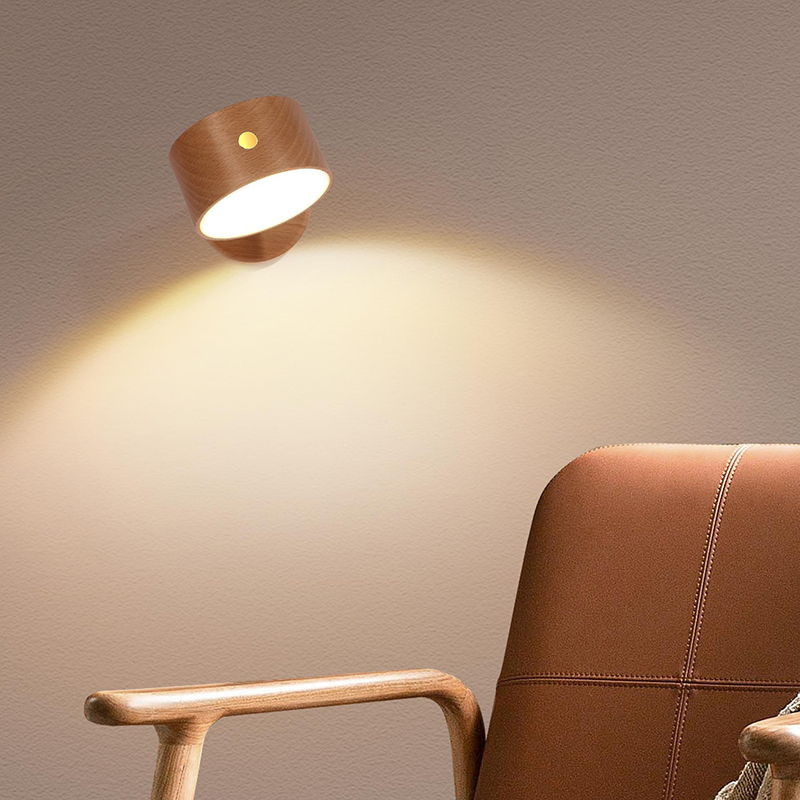
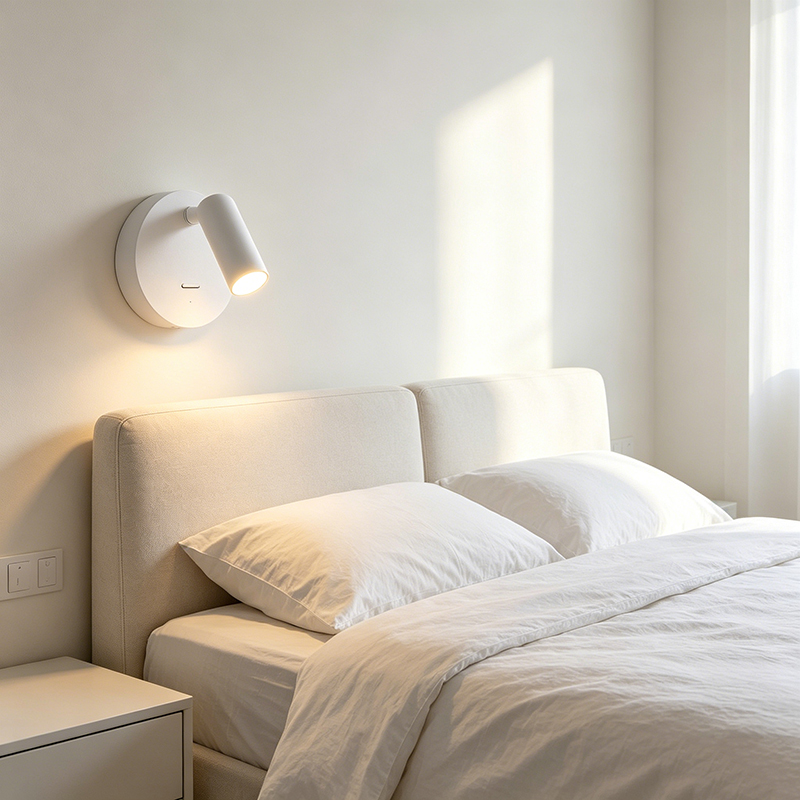
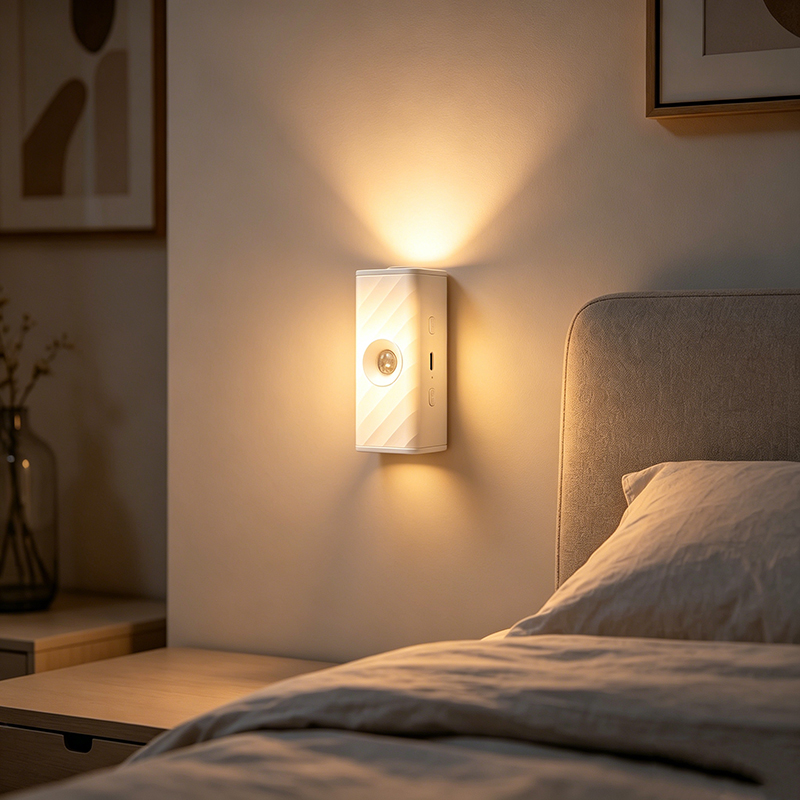
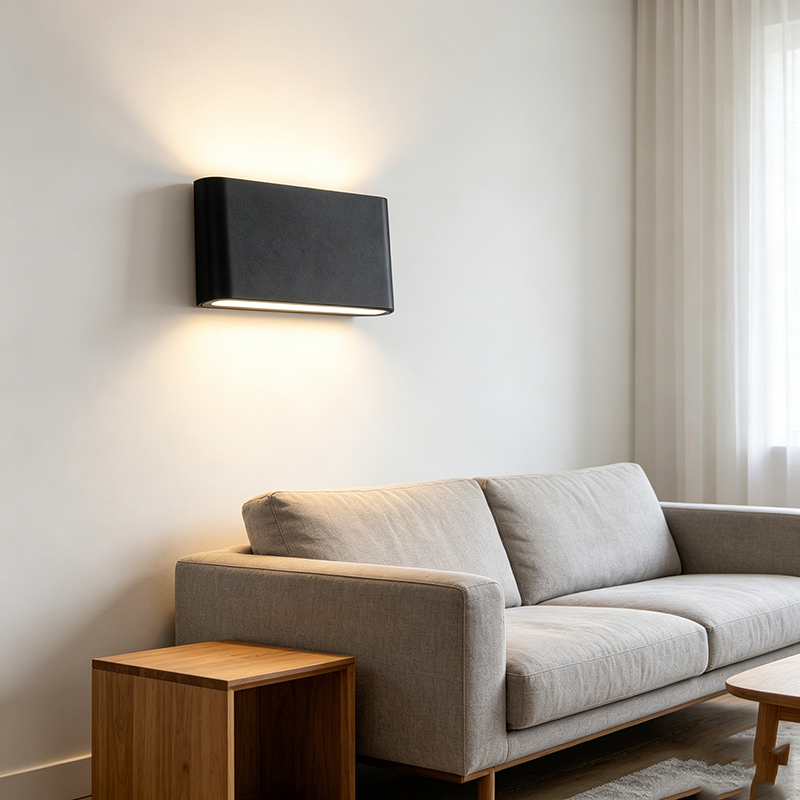
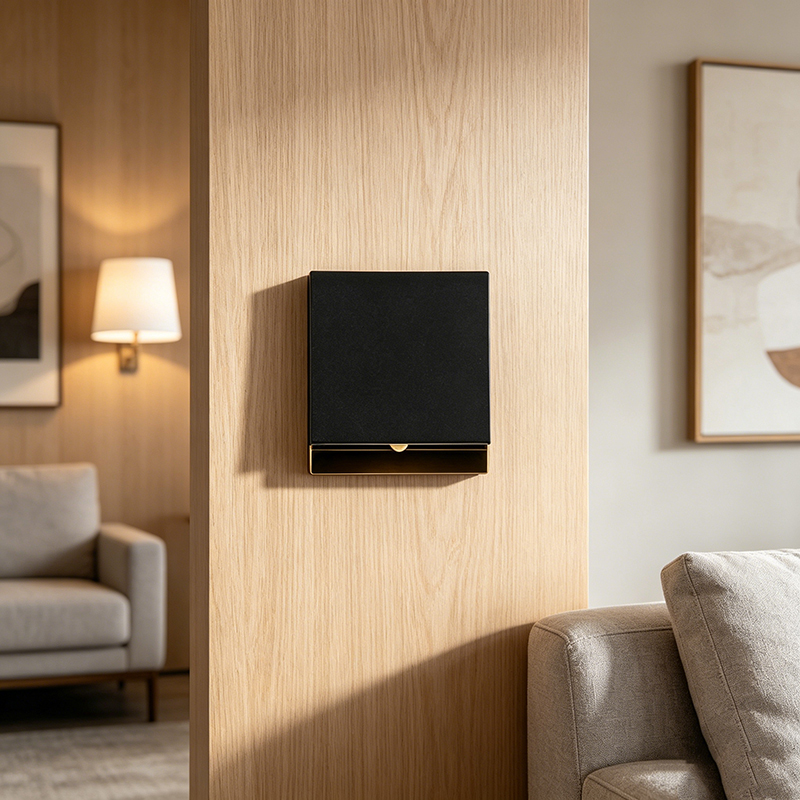
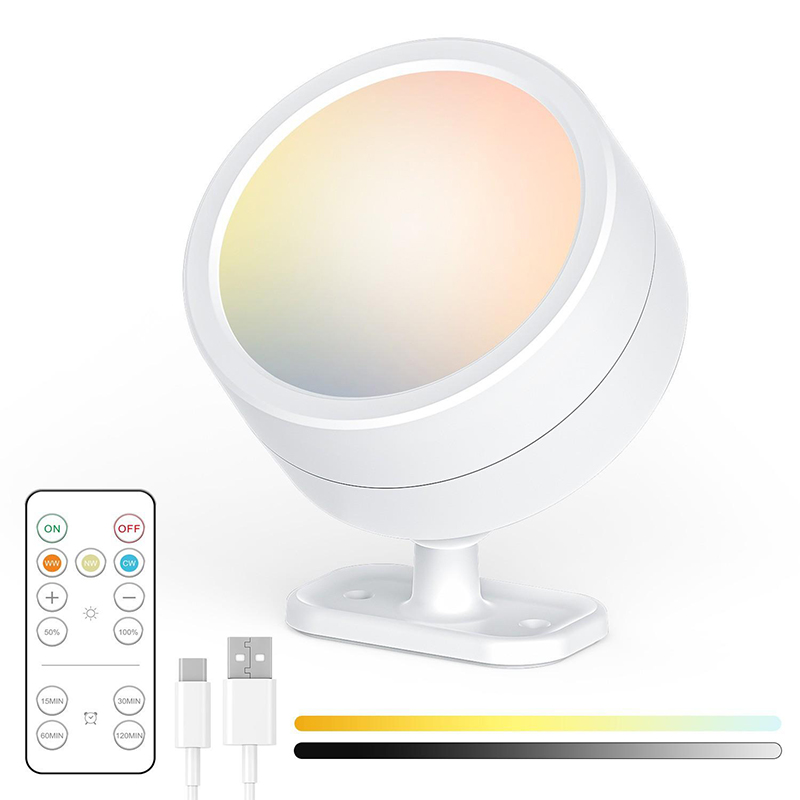
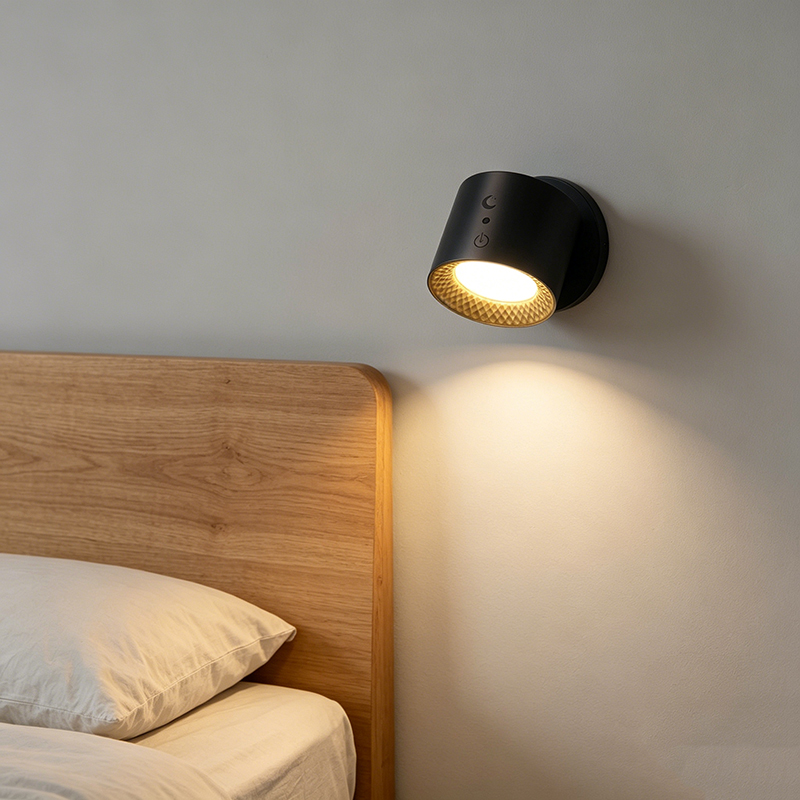
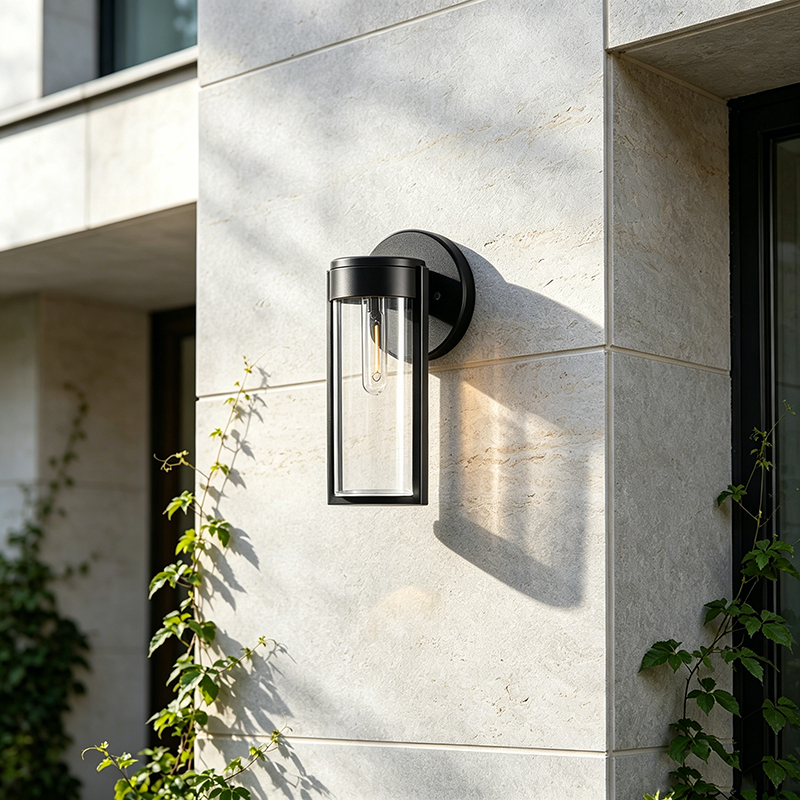
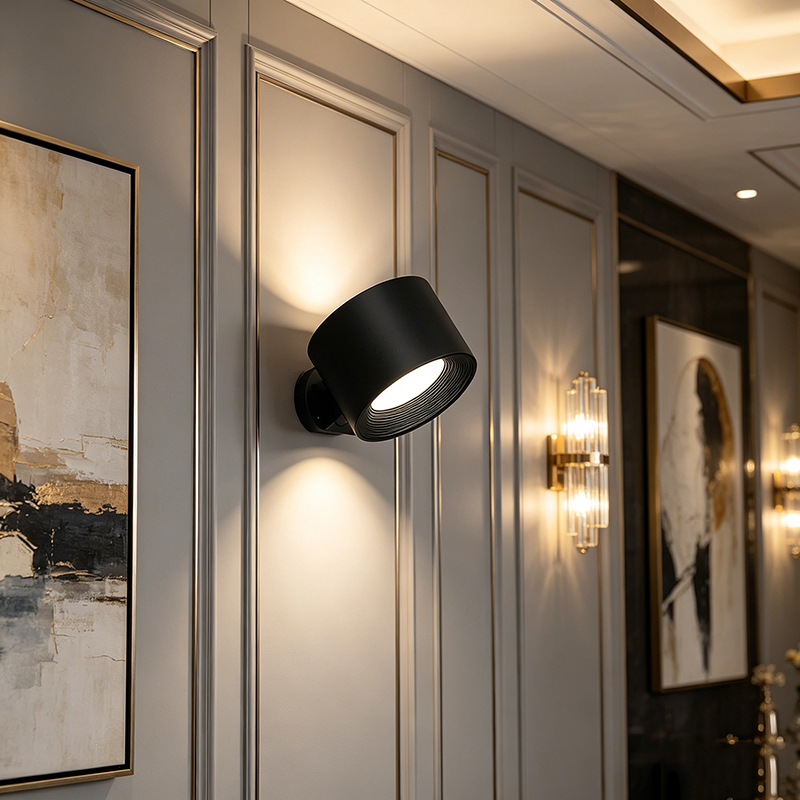
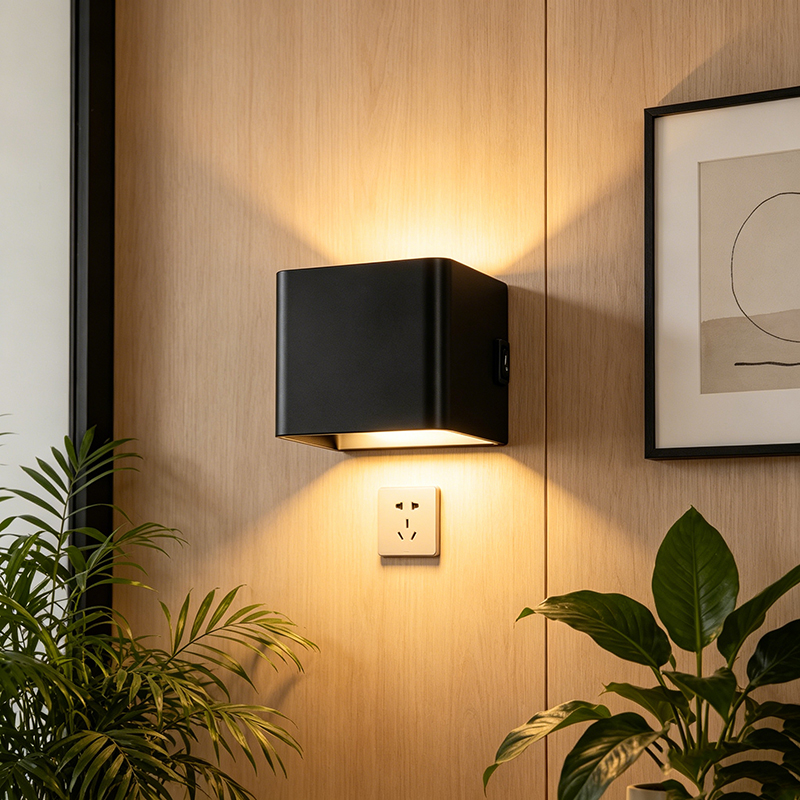
Our Rechargeable Wall Light collection offers true installation freedom with dependable cordless illumination. We provide wholesalers and retailers with versatile, wire-free fixtures that are easy to stock and sell, while supplying project clients with adaptable lighting for hospitality, displays, or temporary setups where wiring is impractical. Quality, battery life, and hassle-free operation are our focus.
.jpeg)

A Professional Guide to Sourcing Rechargeable Wall Lights
This guide is for trade professionals—lighting wholesalers, retailers, and furniture distributors—exploring the growing category of rechargeable wall lights. We focus on the practical considerations for evaluating, sourcing, and selling these cordless fixtures. This guide will help you understand their key specifications, market applications, and the sourcing criteria that ensure you offer reliable and commercially viable products to your customers.
01. The Market Opportunity for Cordless Lighting
Rechargeable wall lights solve specific installation and flexibility challenges that traditional wired fixtures cannot. They are ideal for applications where wiring is difficult, expensive, or undesirable: rental properties, temporary displays (pop-up shops, trade shows), interior features like glass cabinets or art niches, and spaces requiring quick, non-permanent lighting solutions. For your business, this category opens new sales channels by appealing to DIY customers, interior stylists, and commercial clients in hospitality and retail who value speed and flexibility, making it a high-margin, modern addition to your portfolio.
02. Key Specifications for Evaluation & Comparison
Assessing rechargeable lights requires a focus on their core technical components and user experience.
Battery Performance & Runtime: This is the most critical factor. Inquire about battery type (lithium-ion is standard), capacity (measured in mAh), and estimated runtimes at different brightness levels. A reputable supplier should provide realistic runtime charts, not just maximum theoretical hours. Look for products with a runtime of at least 8-12 hours at medium brightness for daily practicality.
Charging Method & Efficiency: Check how the fixture is recharged. Common methods include a built-in USB-C port or a removable battery pack. USB-C is becoming standard for its universality and faster charging. Confirm the full recharge time—anything under 6 hours is typically considered good.
Light Output & Control Features: Evaluate the light’s performance. Check the lumen output and whether it offers adjustable brightness (dimmable) and/or selectable color temperatures (e.g., warm to cool white). Multiple control options (physical button, remote, sometimes touch sensor) add value. The fixture should provide sufficient, quality light for its intended ambient or task purpose.
Mounting System & Build Quality: Since these are often user-installed, the mounting hardware must be simple yet secure, including reliable screws or strong adhesive pads. The overall construction should feel solid, with no loose parts, and the finish should be durable to withstand handling during installation and removal.
03. The Sourcing Process for Battery-Operated Fixtures
A careful approach is needed due to the integrated electronics.
Define Your Target Use-Case: Determine if you are sourcing for decorative ambient use (softer light, stylish designs) or functional utility (brighter output, simpler designs for closets, workshops). This dictates your design and spec priorities.
Request Detailed and Honest Technical Data: Obtain clear specifications for battery capacity (mAh), LED lumens, charging input (e.g., 5V/2A), charging time, and control features. Be wary of suppliers who cannot provide this basic data.
Conduct a Rigorous Sample Test: Order a production sample and test it thoroughly.
Charge it fully, time the runtime at a standard brightness, test the controls, and try the mounting system. This hands-on test is the only way to verify performance claims and build quality. Clarify Logistics, Support, and Warranty: Understand MOQs, shipping regulations for lithium batteries, and packaging. The warranty is crucial—it should explicitly cover the battery and LED driver for a meaningful period (e.g., 2-3 years). Ask about the policy for battery degradation over time.
04. Style and Application Categories
Rechargeable lights come in styles that suit different purposes.
Decorative Sconces: Designed to look like traditional wired wall lights, offering ambiance in styles from modern to rustic. Perfect for creating atmosphere in apartments, hotels, or dining areas without electrical work.
Functional & Utility Lights: Simpler, often directional designs with higher output for task lighting in garages, sheds, closets, or as emergency lights.
Picture & Display Lights: Slim, focused lights designed to highlight artwork, shelves, or retail displays. Their cordless nature makes them perfect for glass cases or temporary exhibitions.
Modern Minimalist & Wireless Systems: Often part of a matching set (with rechargeable table lamps). Features clean lines and simple magnetic or screw mounting, appealing to contemporary interior trends.
05. Practical Guidance for Resale and Customer Success
To ensure smooth sales and satisfied end-users, prepare to address these points.
Providing Realistic Expectations: Clearly communicate expected battery life based on usage (e.g., “Lasts 10 hours at 50% brightness”). This manages customer expectations and prevents returns.
Charging and Maintenance Advice: Include simple guidelines: charge fully before first use, avoid completely draining the battery regularly for longevity, and store in a cool place if not used for extended periods.
Marketing the Flexibility: In your sales materials and online listings, emphasize the key benefits: No Electrician Needed, Install Anywhere, Rent-Friendly, and Portable. Use imagery showing them in varied locations (brick walls, tiles, inside cabinets) to stimulate customer imagination.
Conclusion: Tapping into the Demand for Flexible Lighting
Rechargeable wall lights represent a smart, growing product category that aligns with trends in flexible interiors and easy installation. Successfully sourcing them requires a supplier that balances attractive design with robust battery performance, clear technical specifications, and reliable after-sales support for the electronic components.
By focusing on verifiable battery performance, user-centric design, and a strong warranty, you can confidently add these products to your lineup. They offer a compelling solution for a wide range of customers, providing you with a competitive edge in the evolving lighting market.
Interested in testing the performance and versatility of our Rechargeable Wall Light collection? Contact us to request detailed specifications, runtime charts, and discuss sample evaluation for your business.
Download Our Catalog
to see how we’ve helped others realize their vision.
Consult with Our Team
to discuss the specific possibilities for your next project.
Table Of Content
01. The Market Opportunity for Cordless Lighting02. Key Specifications for Evaluation & Comparison03. The Sourcing Process for Battery-Operated Fixtures04. Style and Application Categories05. Practical Guidance for Resale and Customer SuccessConclusion: Tapping into the Demand for Flexible Lighting