Sculptures & Figurines
Request A Quote
Tikanna Sculptures & Figurines | Artistic Statements, Crafted for Impact
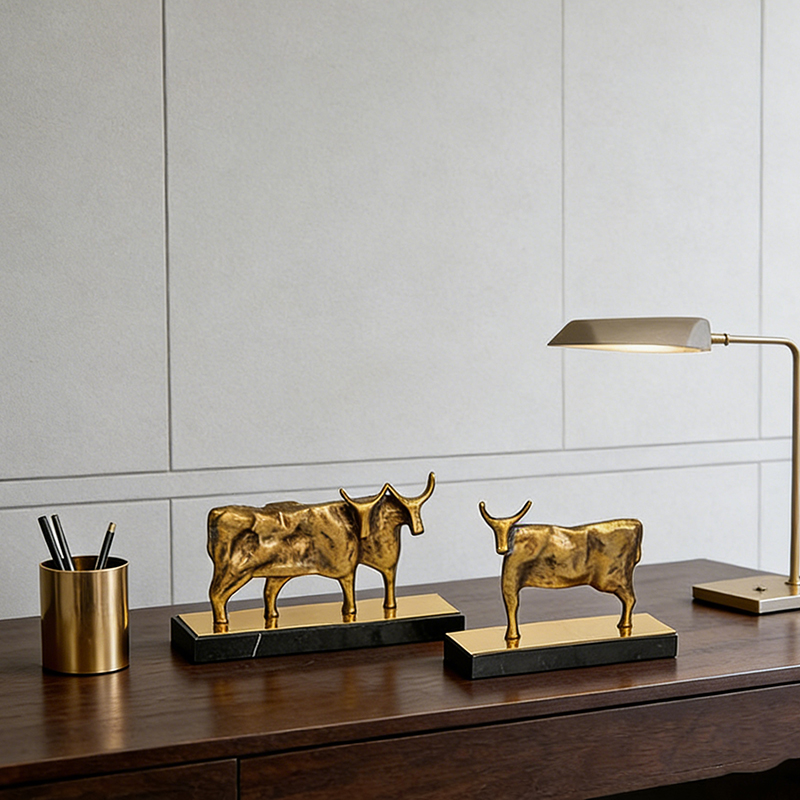
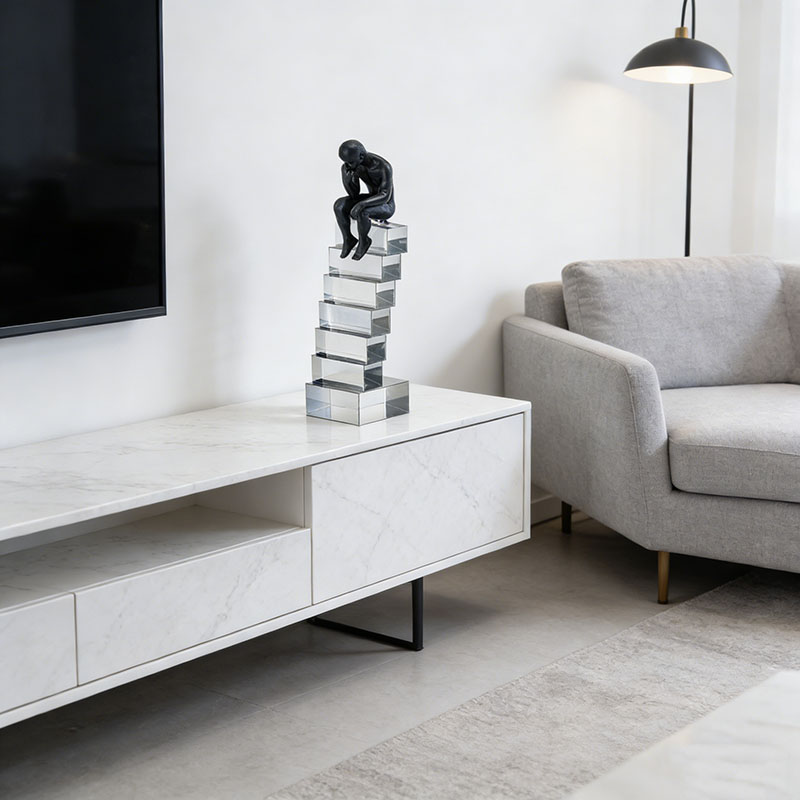
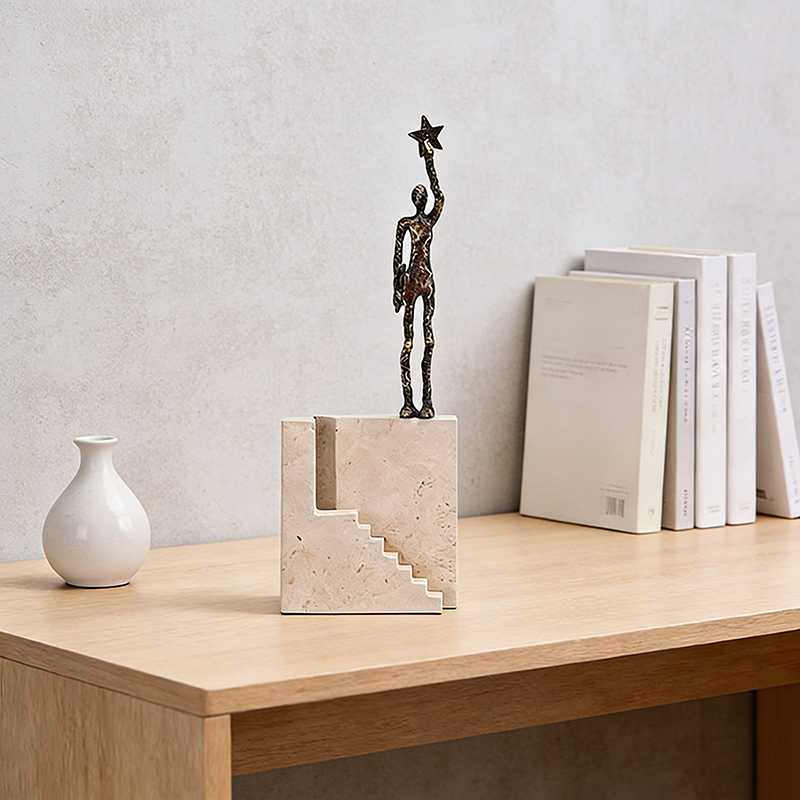
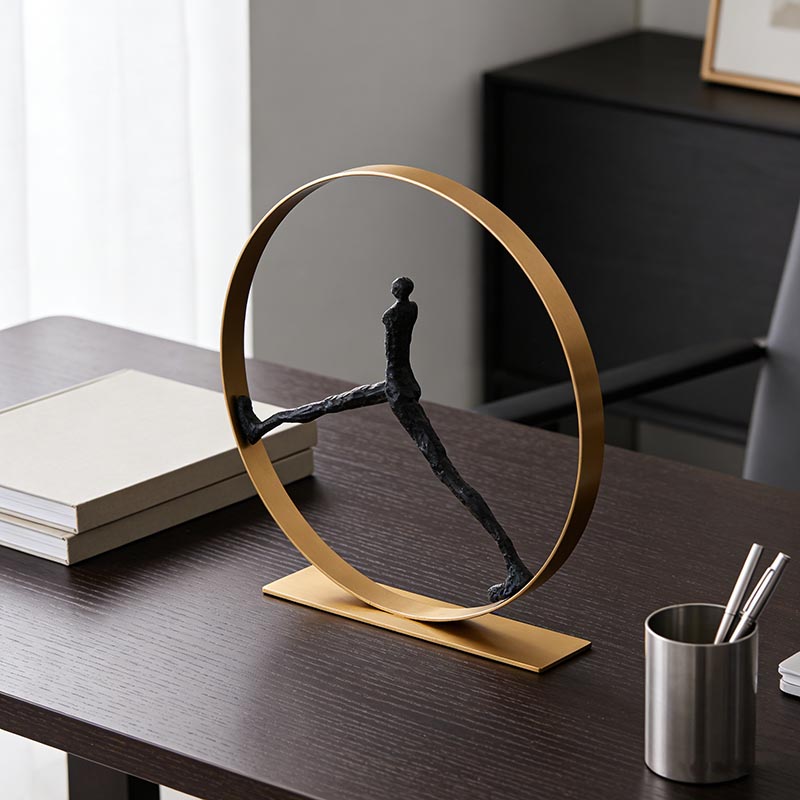
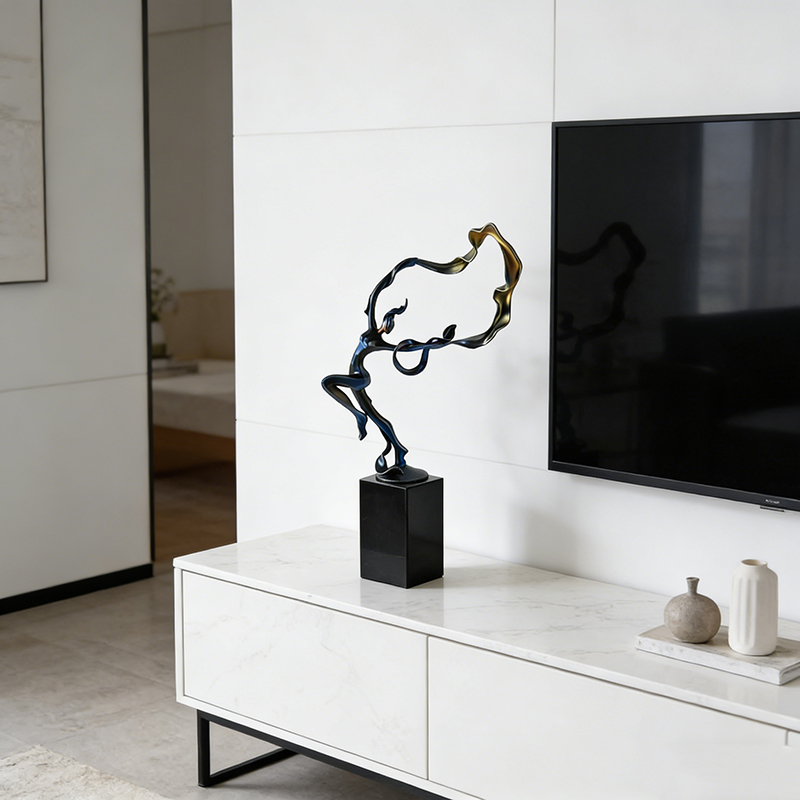
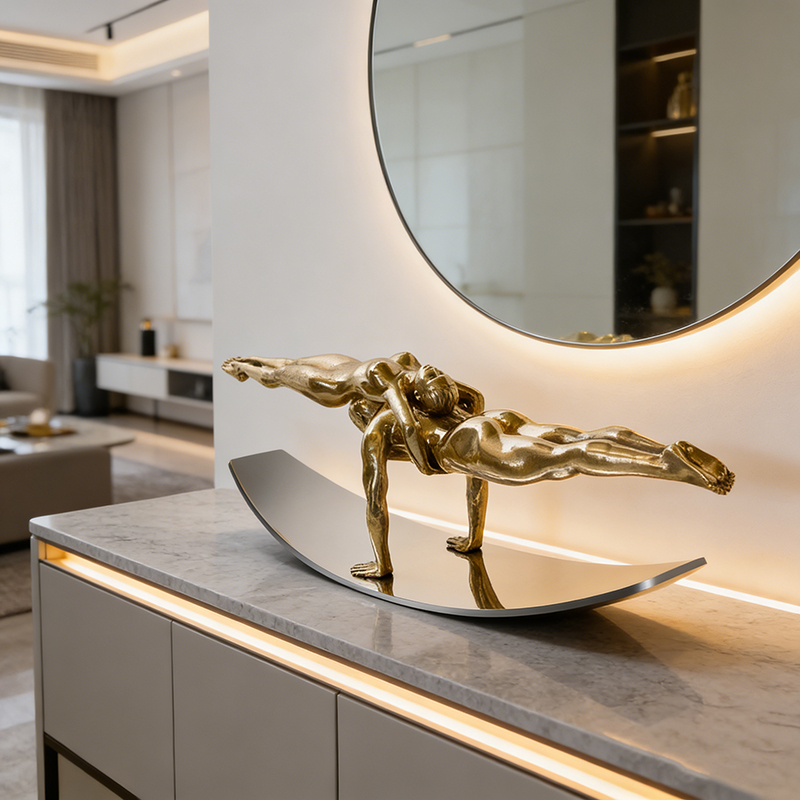
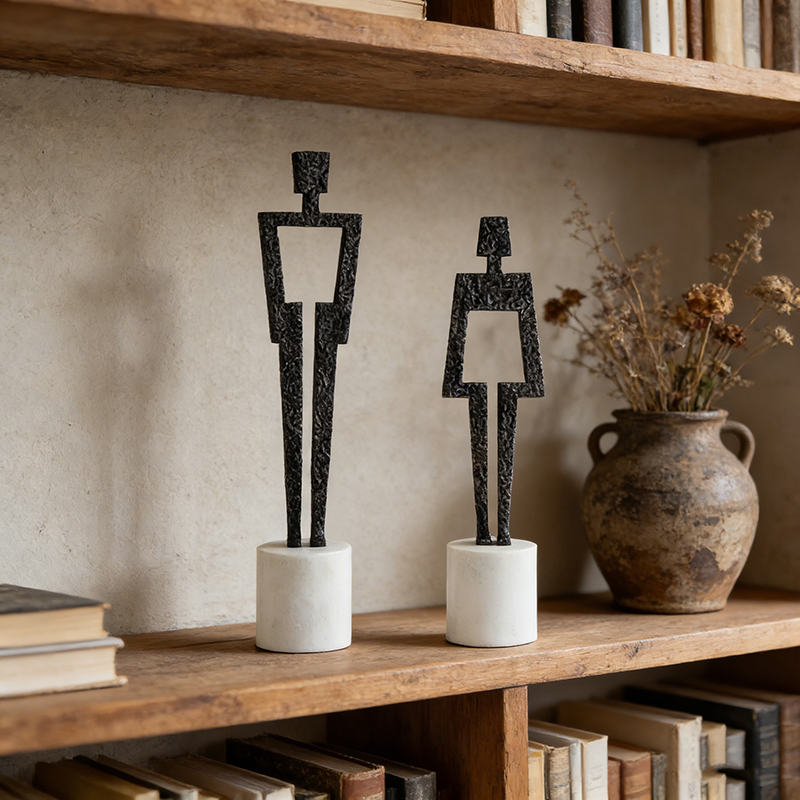
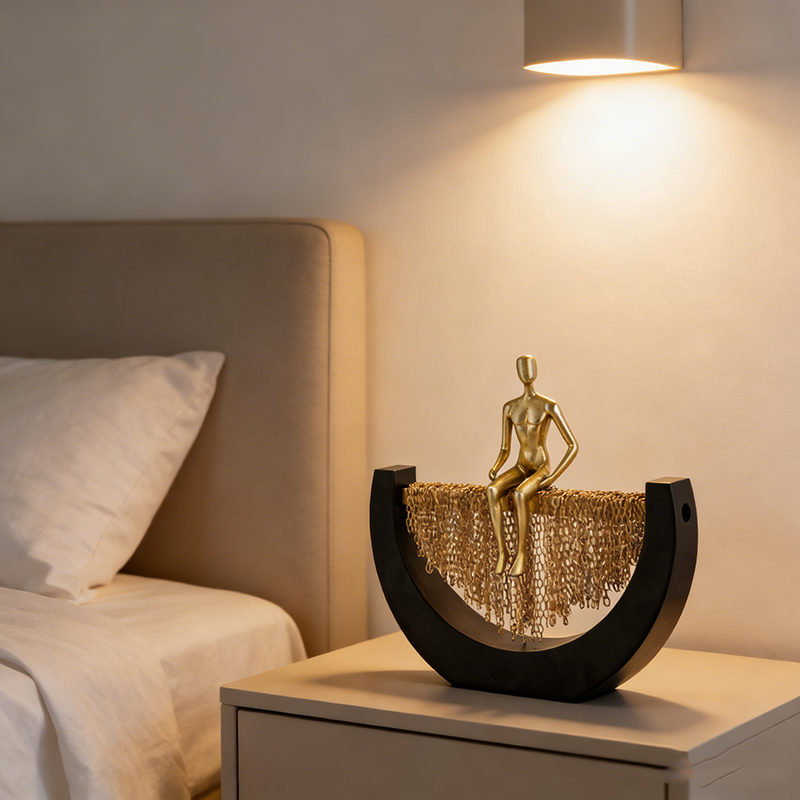
Transform spaces with focal points of conversation and artistry. Our collection of sculptures and figurines is crafted in-house with a focus on expressive forms, premium materials, and fine finishes, offering designers and retailers distinctive pieces that command attention in luxury residences, boutique hotels, and curated retail environments.

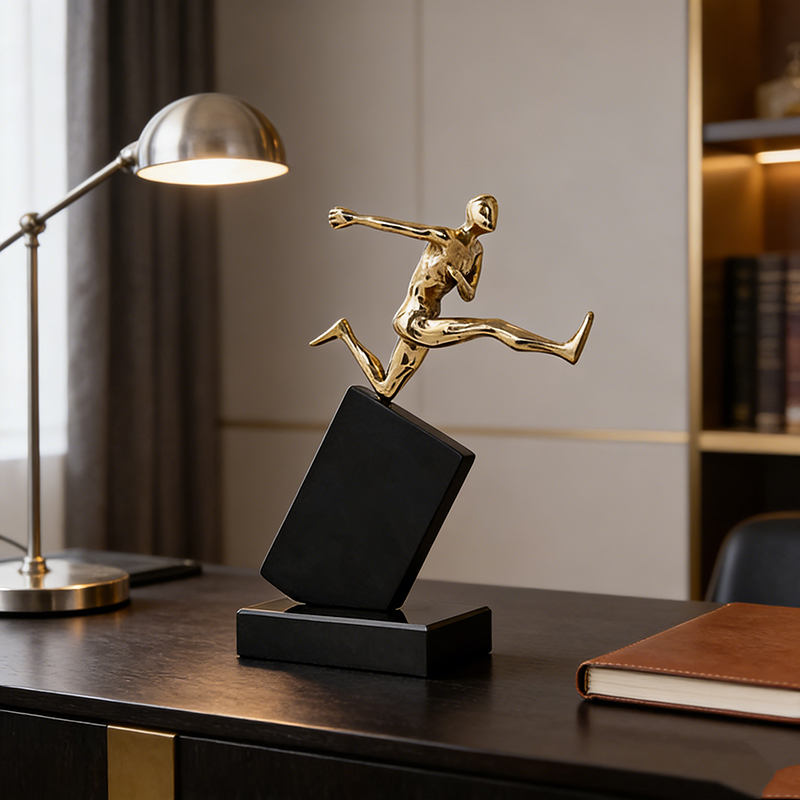
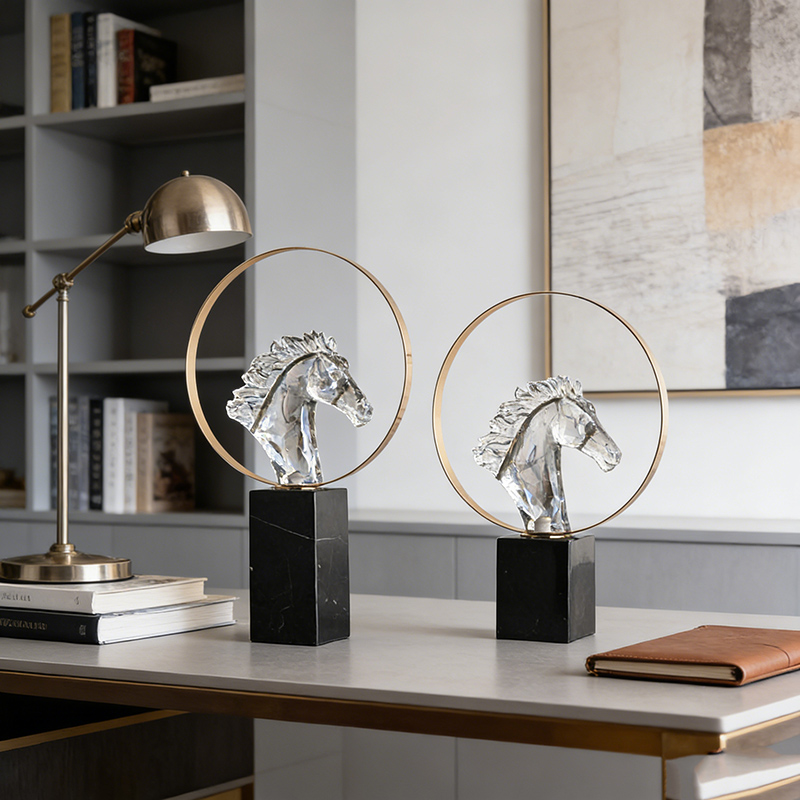
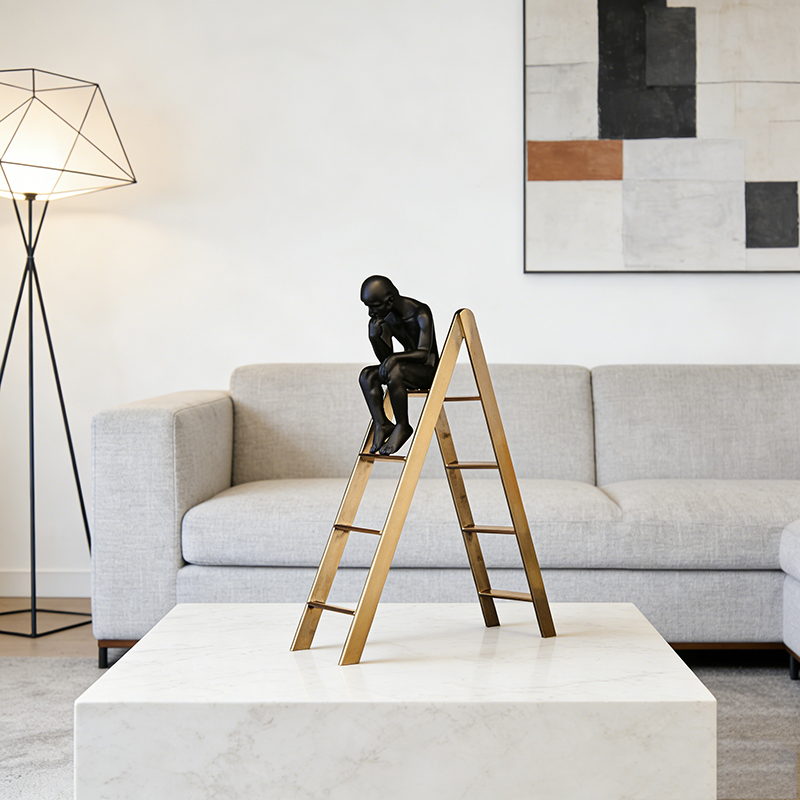
A Buyer's Guide to Sculptures & Figurines: Selecting Art for Commercial Spaces
For furniture retailers, gallery owners, and project specifiers, sculptures and figurines are the definitive statement pieces that transform a space from furnished to curated. This high-impact category carries significant margin potential but requires a keen understanding of artistry, material quality, and commercial application. This guide provides practical, non-technical insights to help you select, source, and merchandise sculptural pieces that captivate your clients and become lasting assets in their spaces.
1. Why Stock Sculptures & Figurines? The Premium Statement Category
Sculptures are not just decor; they are investments in ambiance and brand identity. For your clients in luxury hospitality (hotel lobbies, high-end restaurants), upscale residential developments, corporate headquarters, and boutique retail, a well-chosen sculpture serves as a powerful focal point. It signals taste, creates a memorable experience for guests or customers, and significantly elevates the perceived value of the entire environment. For your business, this category offers strong margins and attracts high-end clients, setting you apart from competitors who only deal in functional items.
2. How to Assess Quality in Artistic Pieces
Evaluating a sculpture requires looking beyond the initial impression. Focus on these tangible aspects of craftsmanship:
Material Substance & Integrity: What is it made of? Premium pieces use materials with inherent weight and character: solid bronze, brass with a rich patina, alabaster, marble, or high-density, finely detailed resins. Avoid pieces that feel lightweight, hollow, or are made from brittle, low-grade plaster or plastic. The material should feel substantial and permanent.
Finish & Surface Detail: Examine the surface closely. A quality finish has depth. For metals, look for the nuanced variations of a hand-applied chemical patina or a consistent, deep polish. For stone, the carving should be crisp, and the natural grain should be celebrated. Check for smooth seams, precise edges, and the absence of mold lines or filler—flaws that undermine the artistic illusion.
Design Intent & Artistic Merit: Does the piece have a clear point of view? Assess its form, balance, and emotional impact. Is it merely decorative, or does it evoke a feeling or idea? Unique, well-composed sculptures have a longer commercial life than generic, trend-driven copies.
Structural Stability & Engineering: A sculpture must stand securely. Check the base-to-form ratio. Is the base weighted and broad enough to support the form above, especially for taller or asymmetrical pieces? It should feel stable and not prone to wobbling or tipping.
3. Sourcing Strategy: Partnering with a Capable Manufacturer
Given the artistic and fragile nature of this category, your supplier relationship is critical.
Prioritize In-House Craftsmanship: A manufacturer like Tikanna, which controls the sculpting, molding, casting, and finishing processes, ensures consistent quality and authenticity. This is preferable to a trading company that sources from disparate workshops, where quality can vary wildly.
Request Detailed Process Information: Ask about the creation process. Is it a lost-wax bronze cast, a carved stone original, or a resin cast from a master mold? Understanding the process helps you gauge value and explain it to your customers.
Demand Superior, Custom Packaging: This is non-negotiable. Sculptures are highly susceptible to transit damage. Your supplier must use rigid, form-fitted foam inserts inside sturdy double-wall cartons. Always inquire about and approve the packaging method before your first order.
4. Curating for Different Commercial Environments
Align your inventory with the needs of your primary markets:
Hospitality & Corporate Lobbies: Focus on medium to large-scale abstract or organic forms in bronze, stone, or high-gloss finishes. They create a modern, impressive statement and are durable in public spaces. Scale is key—they need to command a large volume.
High-End Residential & Galleries: Here, you can explore more expressive or figurative works. Collectible figurines, smaller narrative sculptures, and pieces with unique patinas appeal to individual collectors and interior designers working on luxury homes.
Boutique Retail & Design Studios: Select small to medium-sized, highly stylistic pieces that can be displayed on pedestals, shelves, or countertops. They act as artistic merchandise and inspiration for designers.
5. Merchandising & Sales Techniques for High-Value Items
Display with Authority: Never hide a sculpture on a crowded shelf. Give it space on a dedicated pedestal, a clear console table, or in a lighted niche. Use dramatic, focused lighting to highlight its form and texture, just as a museum would.
Narrate the Piece: Train your sales staff to tell the story. They should be able to speak about the material, the inspiration behind the form, the finishing technique, and how it can anchor a room’s design. This transforms an object into an experience.
Target Project-Based Clients: Proactively present sculptural options to interior designers, architects, and hotel procurement teams as the perfect “hero piece” for their current projects. Provide high-resolution images and dimensions for their presentations.
6. Addressing Practical Commercial Concerns
“How do I clean and maintain it?” For most sealed metal or resin finishes, simple dusting with a soft, dry microfiber cloth is sufficient. For unsealed natural bronze, explain that a gradual patina is part of its character. Provide a simple care card with the piece.
“What if it’s damaged in shipping?” Despite premium packaging, damage can occur. Work with a supplier who has a clear, responsive policy for reviewing damage claims and replacing items. Our factory-direct model allows for quick assessment and resolution.
“Can the finish be matched to other metalwork in the project?” For large contract projects (e.g., a hotel needing multiple pieces), we can coordinate finish samples to ensure our patinas complement other fixed metal elements like railings or door handles.
Conclusion
A thoughtfully curated sculptures and figurines collection is a powerful tool for defining your brand as a source of inspiration and quality. By sourcing pieces where artistic vision is matched by material integrity and robust construction, you offer clients not just an object, but a lasting focal point that adds immeasurable value to their space. This builds unparalleled loyalty and authority in the high-end market.
Ready to make a statement with your offering? Contact us to discuss your client profile, request a curated portfolio of sculptural works, or arrange to evaluate a sample piece to experience the material quality and presence of the Tikanna collection.
Download Our Catalog
to see how we’ve helped others realize their vision.
Consult with Our Team
to discuss the specific possibilities for your next project.
Table Of Content
1. Why Stock Sculptures & Figurines? The Premium Statement Category2. How to Assess Quality in Artistic Pieces3. Sourcing Strategy: Partnering with a Capable Manufacturer4. Curating for Different Commercial Environments5. Merchandising & Sales Techniques for High-Value Items6. Addressing Practical Commercial ConcernsConclusion