Rechargeable Table Lamps
Request A Quote
Rechargeable Table Lamps Manufacturer
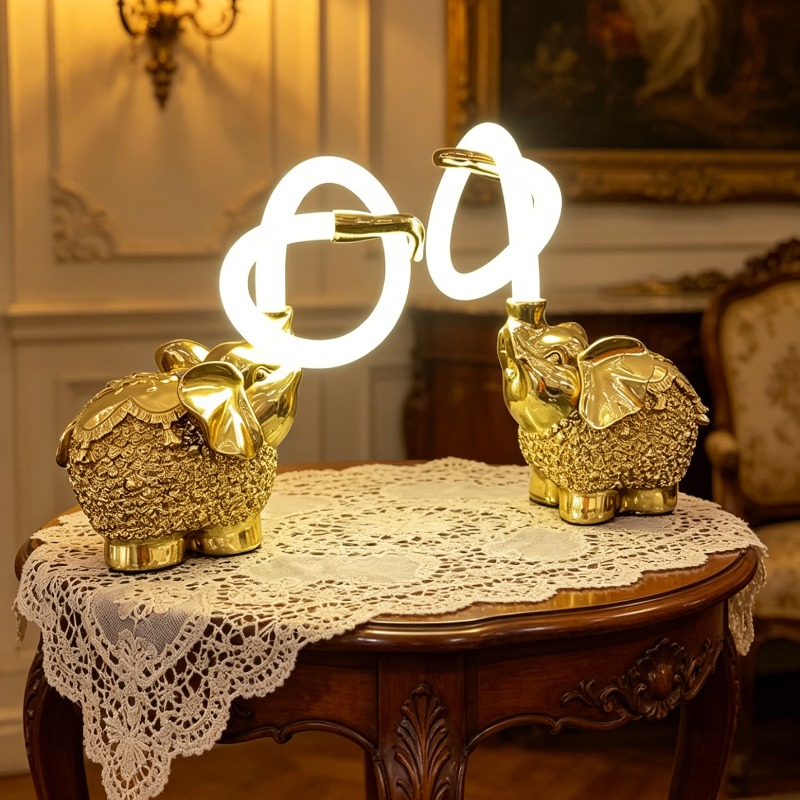
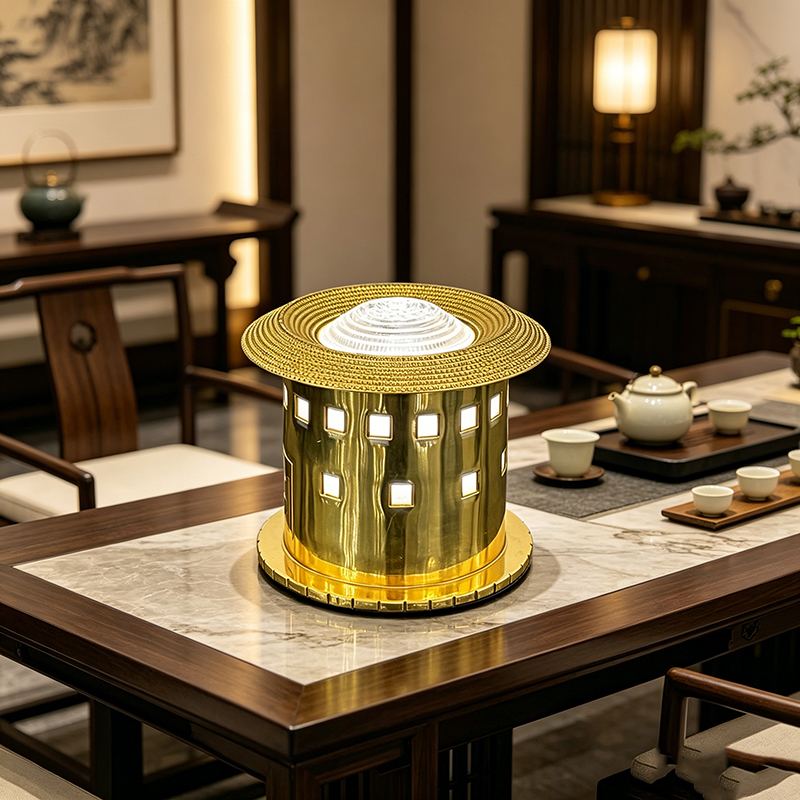
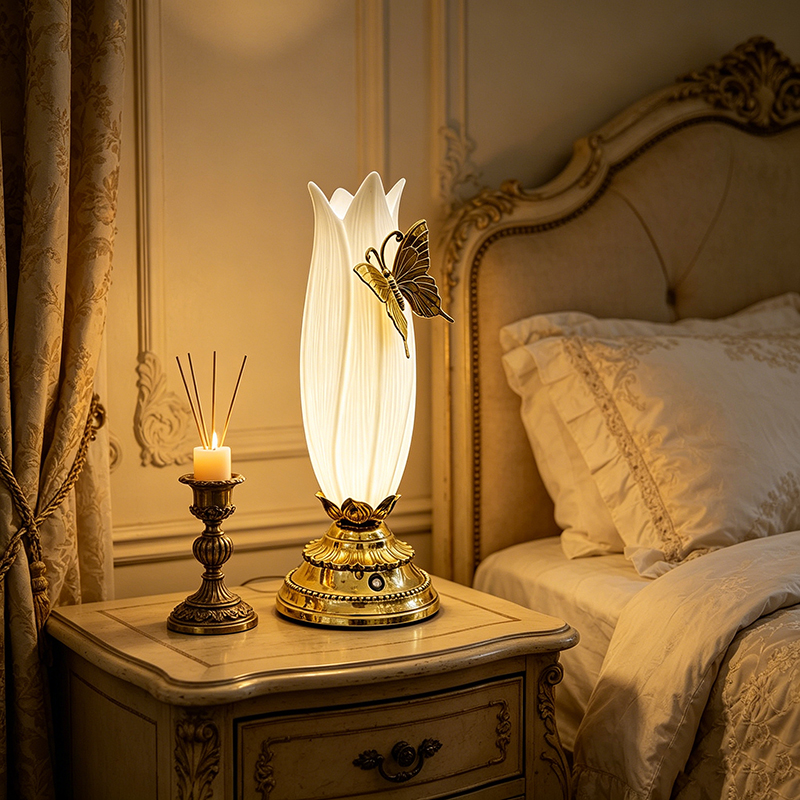
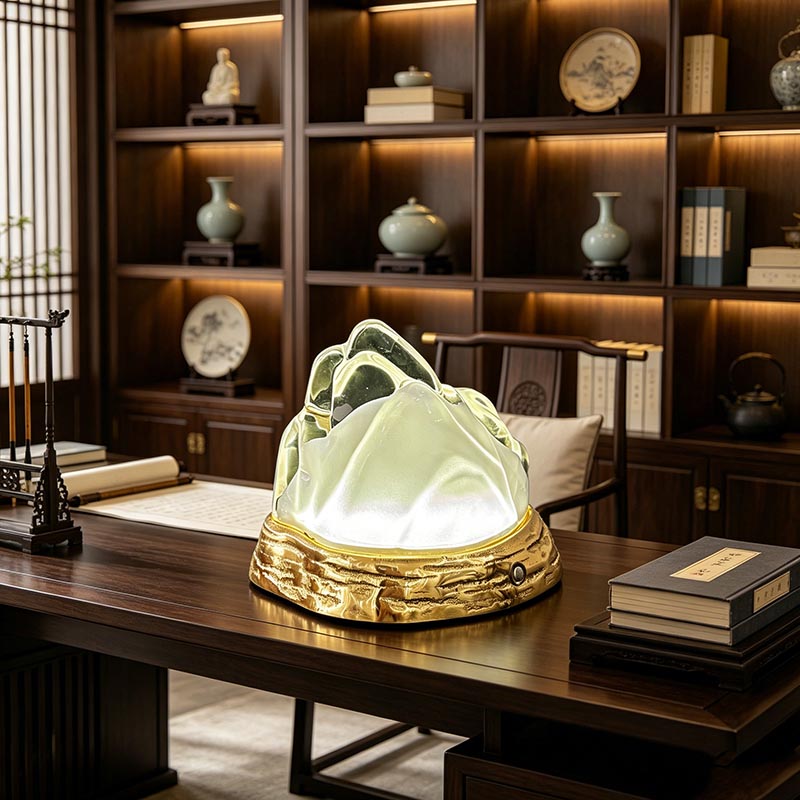
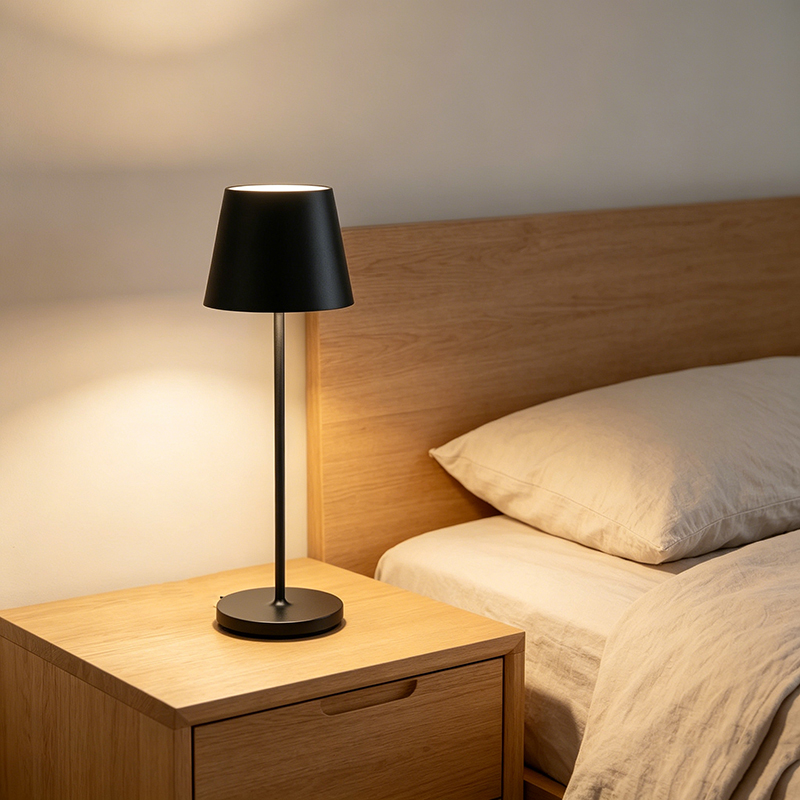
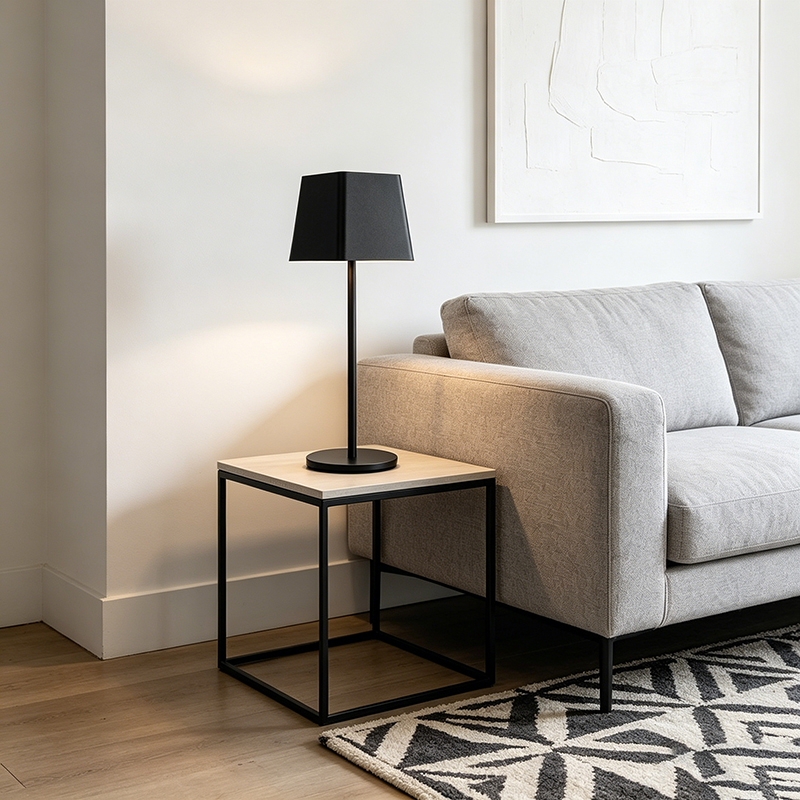
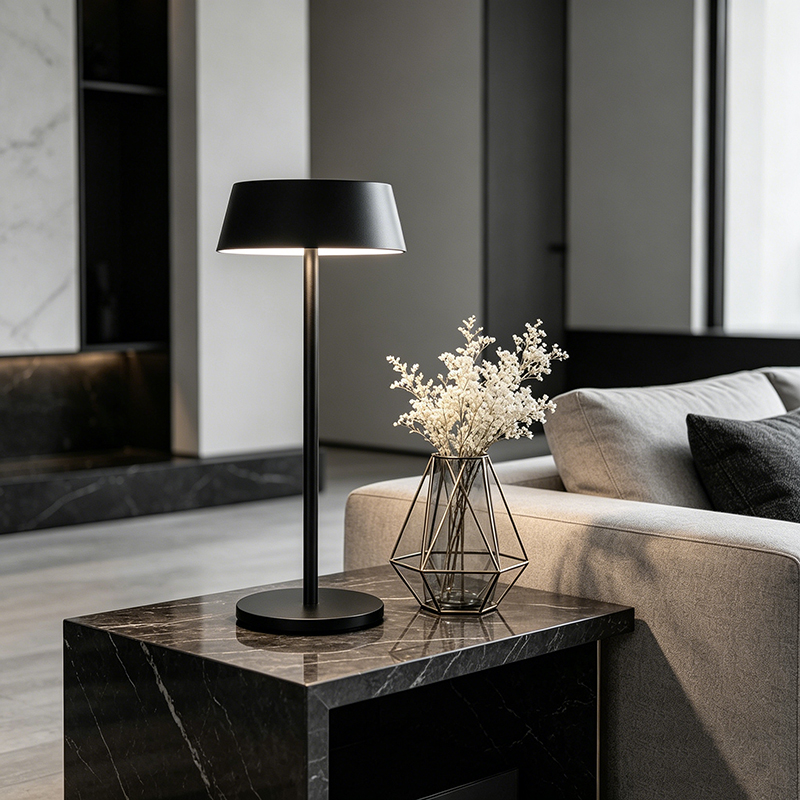
Our Rechargeable Table Lamp collection offers true cord-free convenience and versatile placement. We provide wholesalers and retailers with modern, wire-free lamps that are easy to stock and display, while supplying project clients with adaptable lighting solutions for hospitality, displays, or temporary setups where accessible power is limited. Our focus is on reliable battery life, user-friendly design, and quality construction.

The Essential Guide to Rechargeable Table Lamps: Selection, Application & Value
For wholesalers and retailers in the lighting and furniture industry, rechargeable table lamps have evolved from a niche novelty to a core category. They answer modern demands for flexibility, ambiance, and cord-free aesthetics in residential and commercial spaces. This guide cuts through the noise, providing you with the key knowledge to understand, select, and effectively merchandise this high-potential product line.
1. Why Stock Rechargeable Table Lamps? The Value Proposition
Rechargeable table lamps solve specific problems for end-users, translating to strong sell-through for you. Their core value lies in placement freedom (no outlets needed), clean aesthetics (no visible cords), and operational resilience (function during power outages). For your clients—such as hoteliers, restaurateurs, or homeowners—this means effortless ambiance creation anywhere: centerpieces on dining tables, accent lights on shelves, or temporary lighting for events. This versatility makes them a complementary upsell to traditional lighting and furniture.
2. Key Factors to Evaluate When Sourcing
As a buyer, look beyond the basic “cordless” feature. Assess the product’s real-world performance and appeal:
Battery Life & Performance: Seek lamps with high-capacity Li-ion batteries and clear runtime data (e.g., hours at 100% vs. 20% brightness). “Smart” power management that maintains stable brightness is crucial.
Charging Convenience: USB-C is now a market expectation for fast, universal charging. Compatibility with power banks is a major plus.
Build Quality & Design: The lamp must feel substantial. Evaluate the materials (metal, ceramic, glass), finishes, and overall construction. It should be a durable decorative object, not a plastic gadget.
Light Quality: Check for warm, adjustable brightness (dimmable). The light should be flattering and ambient, suitable for the settings your customers serve.
3. How to Source Reliably: Partnering with the Right Factory
Your supplier should be a manufacturing partner, not just a vendor. Prioritize factories with:
Vertical Integration: Like ours, control over the entire process—from material sourcing to assembly—ensures consistent quality and the agility to handle volume orders.
Transparent Specifications: Detailed, honest specs on battery capacity (in mAh), LED chips, materials, and safety certifications (CE, RoHS) are non-negotiable.
Design Coherence: A cohesive collection that tells a style story (e.g., modern minimalist, industrial, classic) is easier to merchandise than a disjointed catalog.
4. Product Types & Styling for Different Markets
Categorize your inventory to target different segments:
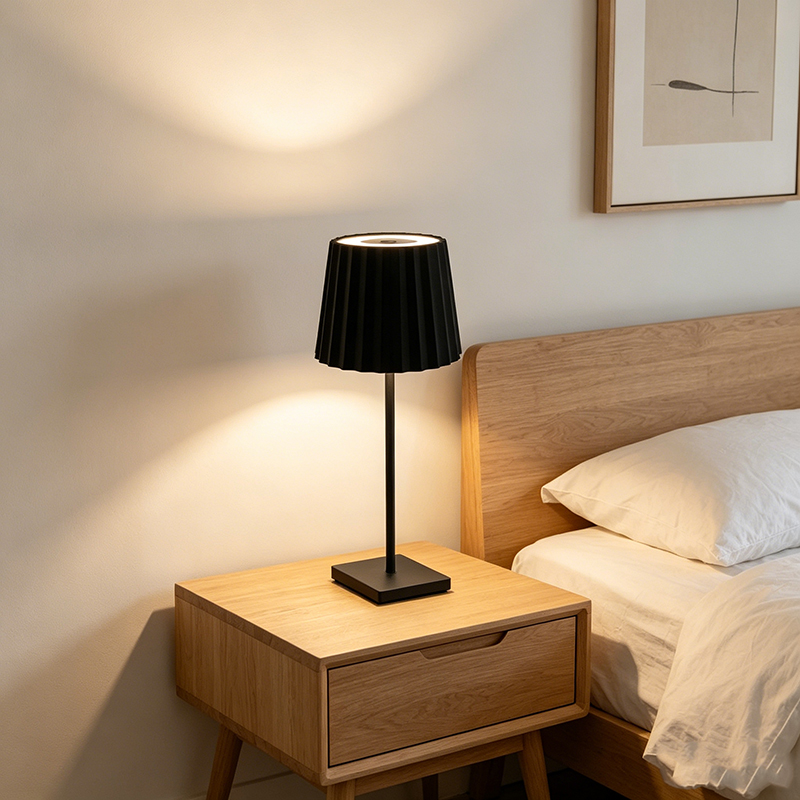
Modern/Minimalist: Sleek metals, clean lines, neutral colors. Appeals to contemporary furniture retailers, hotels, and offices.
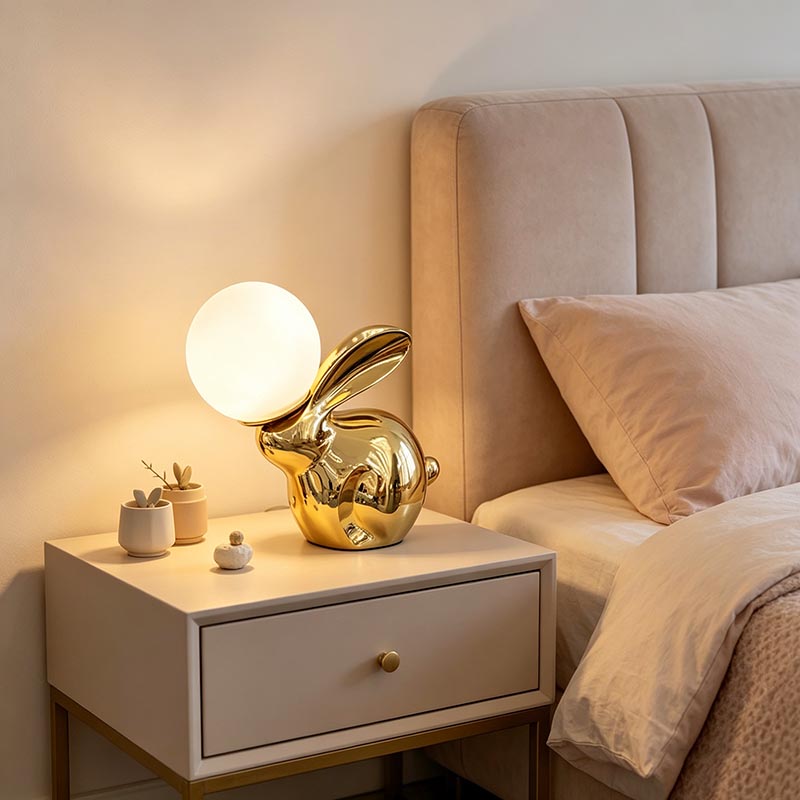
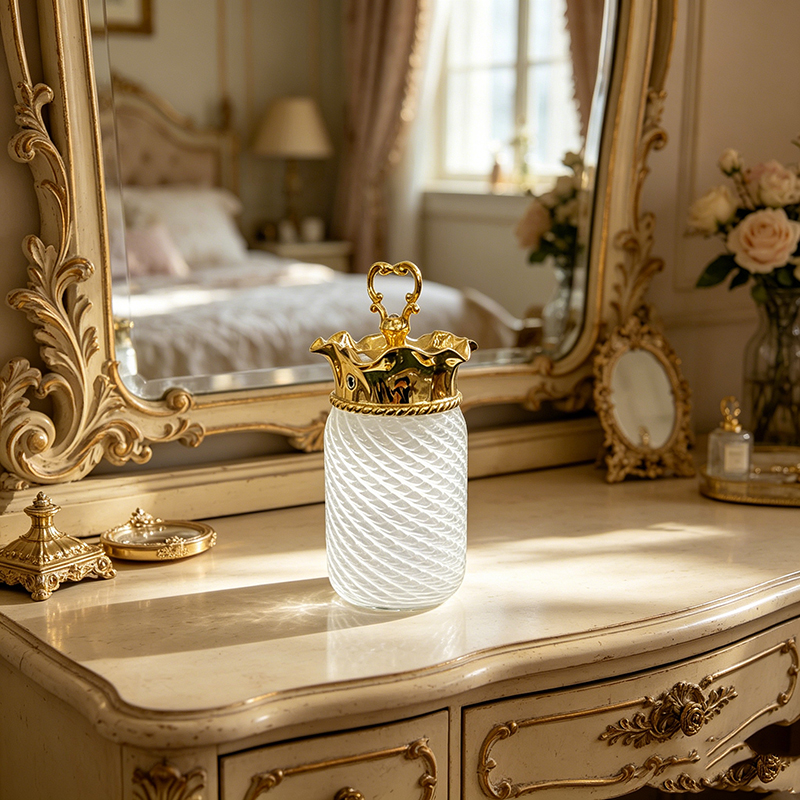
Decorative/Classic: Ceramic bases, textured finishes, fabric shades. Ideal for home decor stores and boutique hospitality.
Industrial/Rustic: Featuring concrete, aged brass, or exposed bulb designs. Fits with trending commercial interiors like cafes and boutique retail.
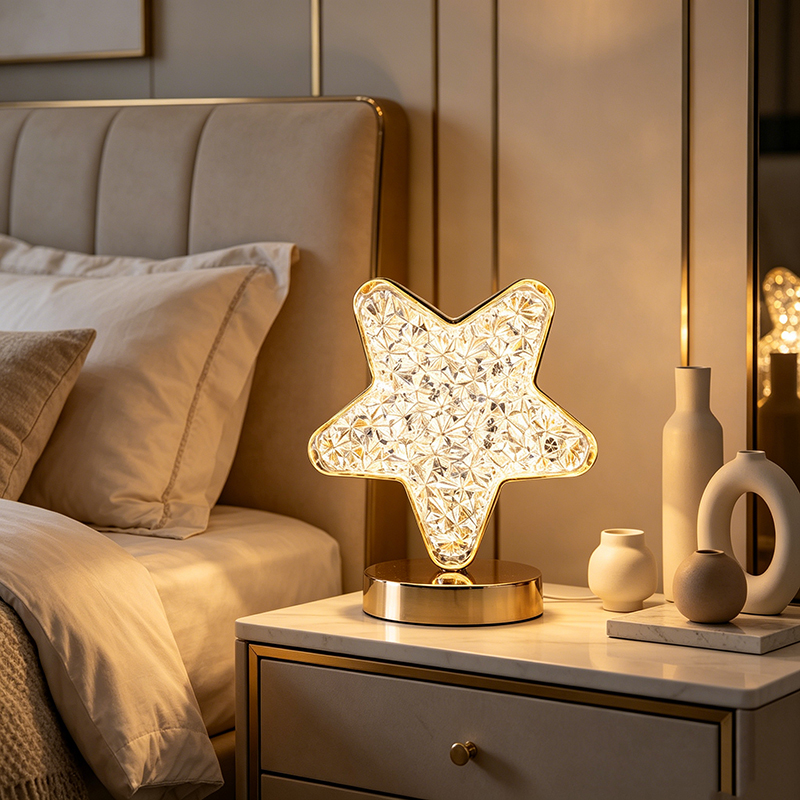
Portable Task/Accent: Smaller, lighter designs with focused light. Good for cross-selling with desks, nightstands, or as giftable items.
5. Practical Use & Merchandising Tips for Your Customers
Educate your retail staff so they can guide end-users:
Maximizing Battery: Advise a full initial charge. For display, keep lamps partially charged and cycle them monthly.
Creating Scenes: Demonstrate how a cluster of 2-3 lamps can define a seating area or how a single statement piece can anchor a room.
Commercial Applications: For B2B clients, highlight use cases: hotels (lobby tables, lounge areas), restaurants (centerpieces, bar tops), retail (display highlighting, window dressing).
6. Common Questions & Simple Troubleshooting
Equip your team to handle basic inquiries:
“The lamp won’t turn on.” First step: ensure it’s charged. Try a different USB-C cable and power adapter.
“Battery doesn’t last as long.” Over time, all batteries gradually lose capacity. Avoid constantly draining to 0%. For displays, recommend a charging routine.
“The touch sensor is unresponsive.” Ensure hands are dry and make firm contact. Check for a potential reset method (often holding the button for 10 seconds).
Conclusion
Rechargeable table lamps are more than just lighting; they are versatile tools for interior ambiance and flexible design. By stocking well-designed, reliably engineered products from an integrated manufacturer like Tikanna, you provide your customers with a high-margin, solution-driven category. You’re not just selling a lamp; you’re selling freedom, style, and functionality.
Ready to build or refresh your rechargeable lighting collection? Let’s discuss how our 16-year manufacturing expertise can provide you with a coherent, quality-driven product range that meets your market’s needs.
Download Our Catalog
to see how we’ve helped others realize their vision.
Consult with Our Team
to discuss the specific possibilities for your next project.
Table Of Content
1. Why Stock Rechargeable Table Lamps? The Value Proposition2. Key Factors to Evaluate When Sourcing3. How to Source Reliably: Partnering with the Right Factory4. Product Types & Styling for Different Markets5. Practical Use & Merchandising Tips for Your Customers6. Common Questions & Simple TroubleshootingConclusion