Wall Arts & Decors & Mirrors
Request A Quote
Tikanna Wall Arts & Mirrors | Curated Statements for Vertical Spaces
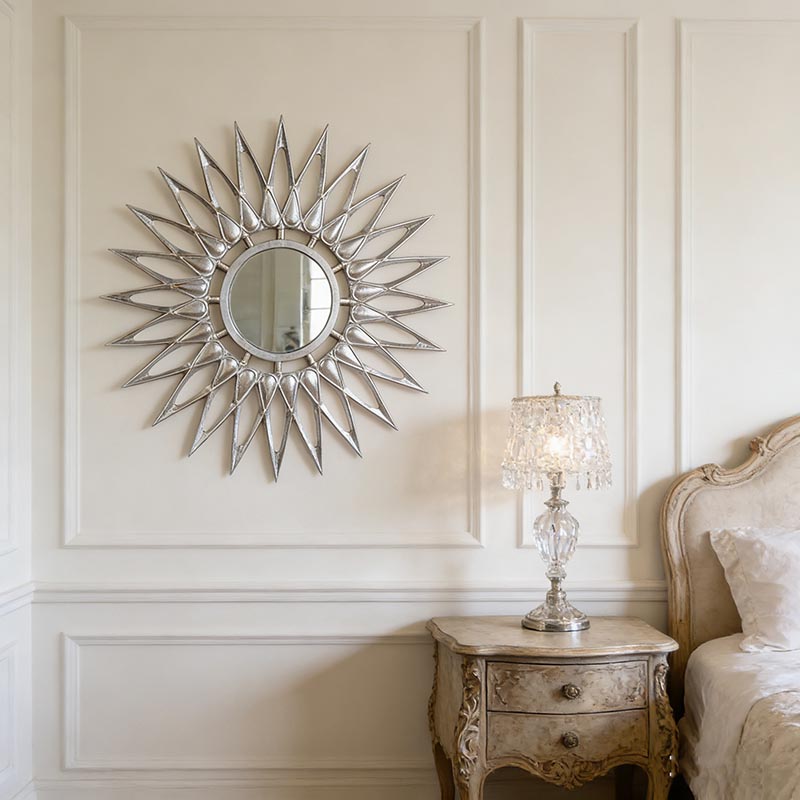
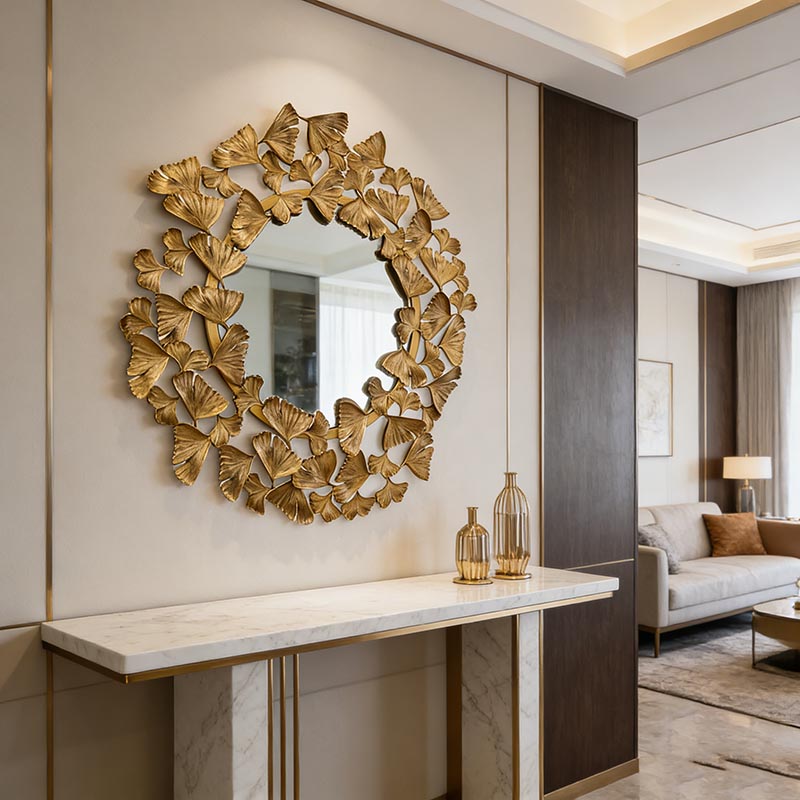
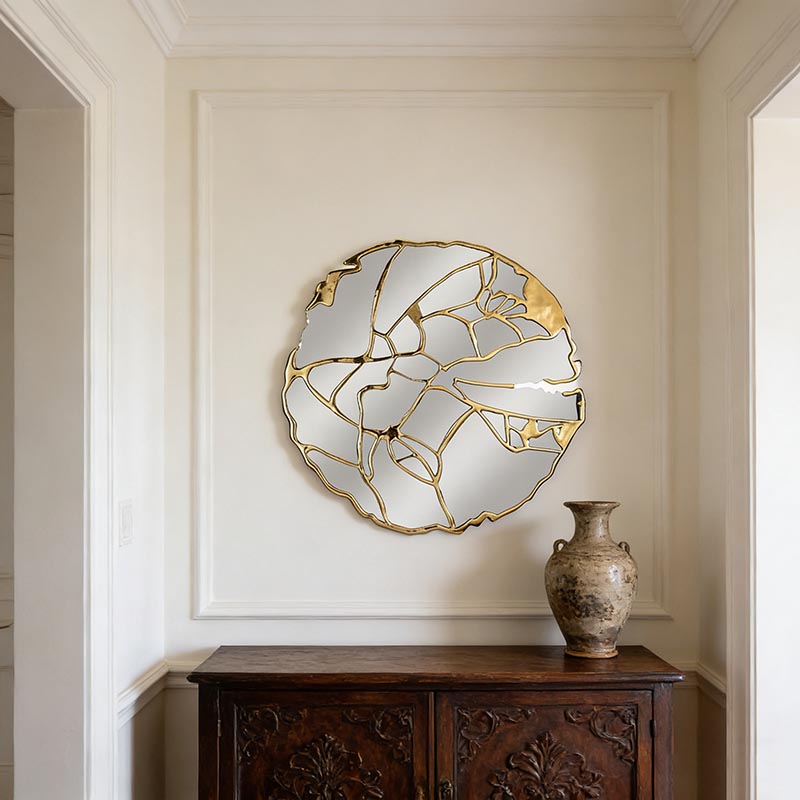
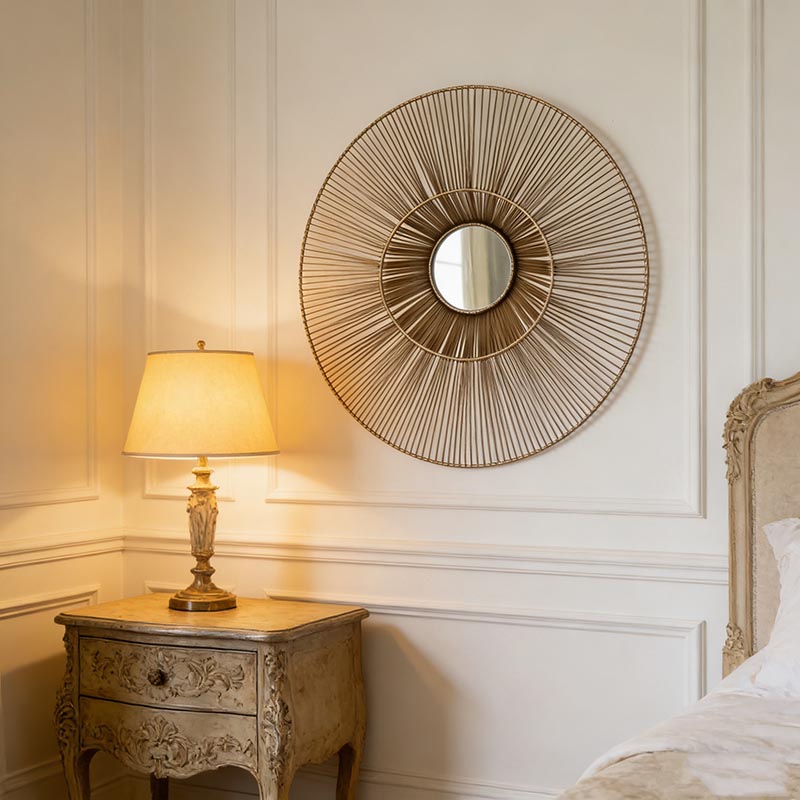
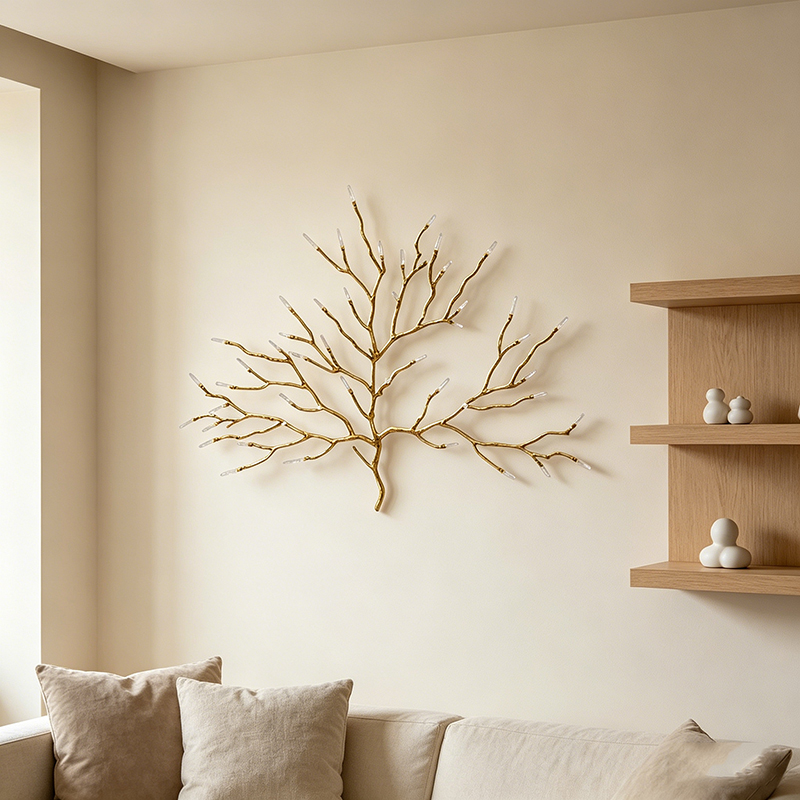
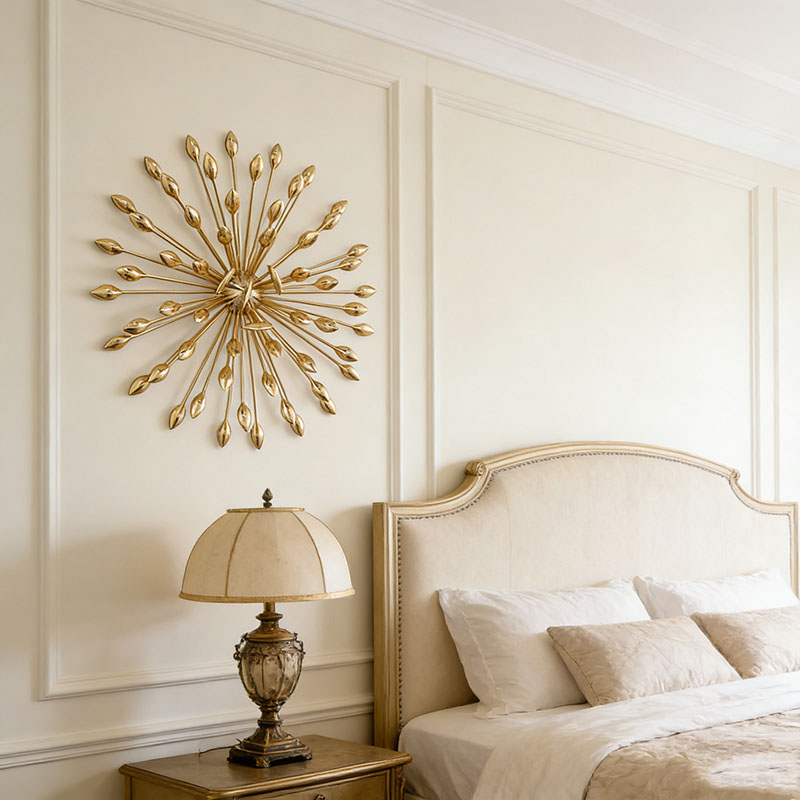
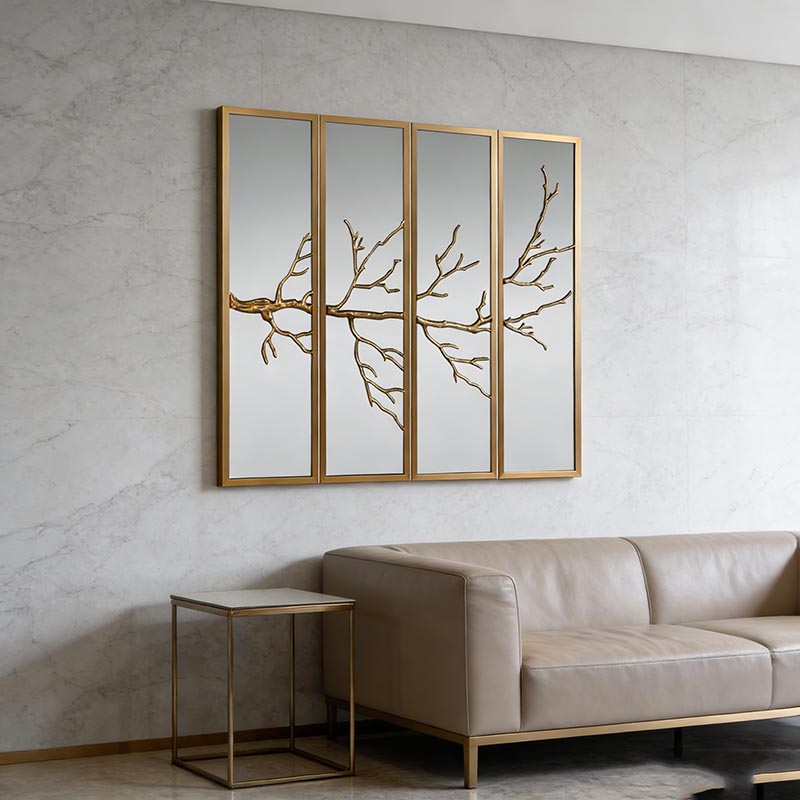
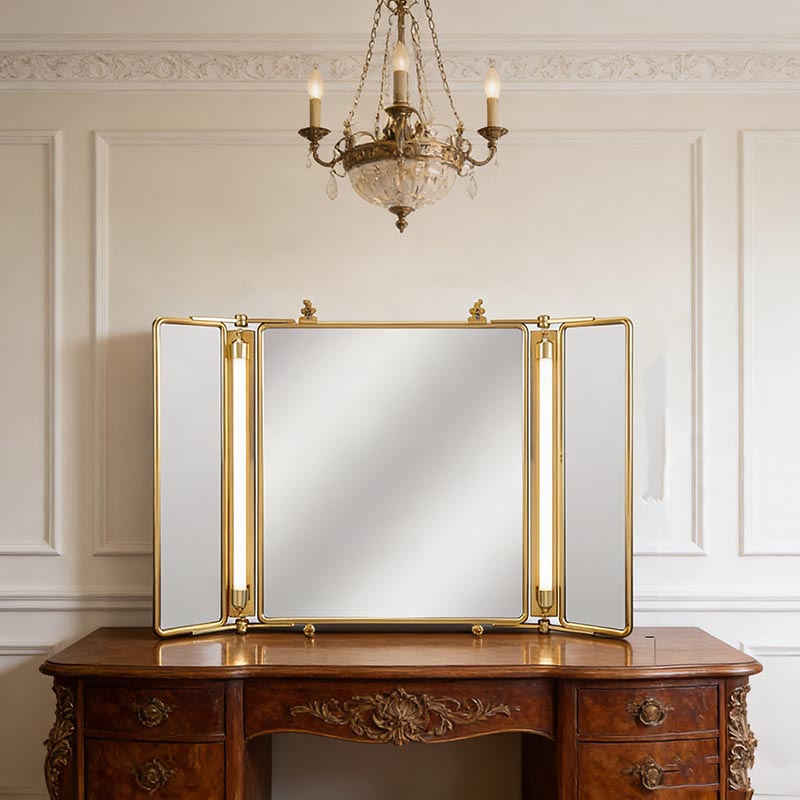
We turn walls into focal points. Our collection of wall art, decorative objects, and mirrors is crafted from diverse materials—including metals, crystal, wood, and glass—in both classic and contemporary styles. Designed to be unique conversation pieces, they offer hotels, retailers, and designers a distinctive toolkit for creating immersive and memorable interiors.
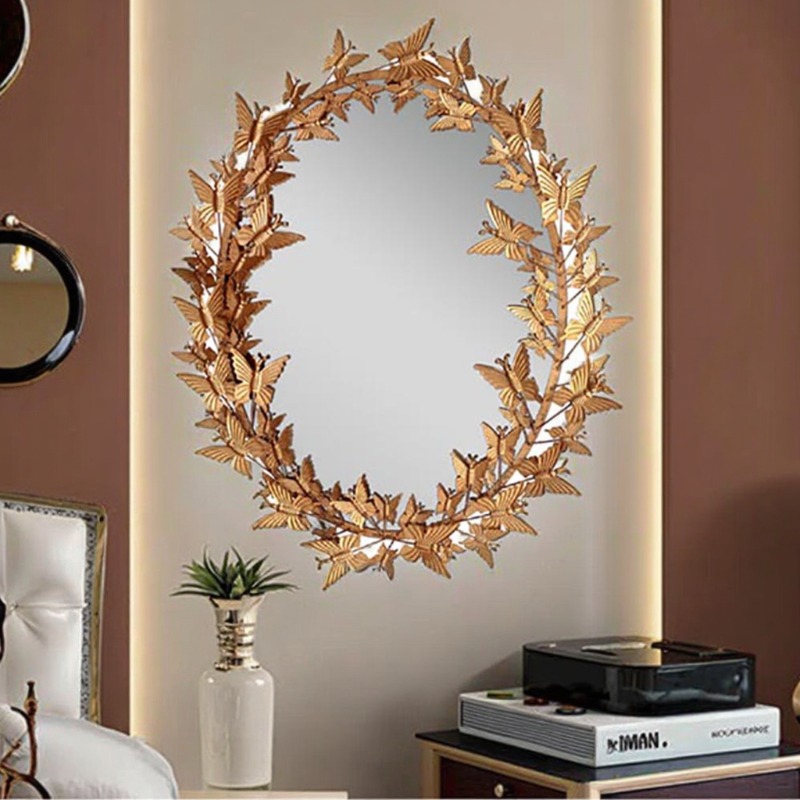
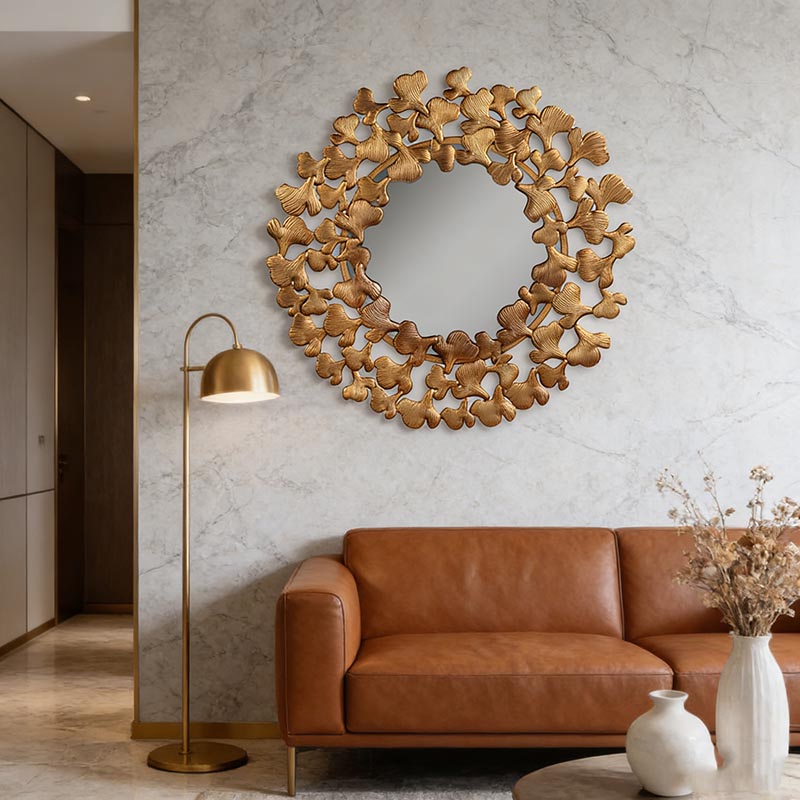
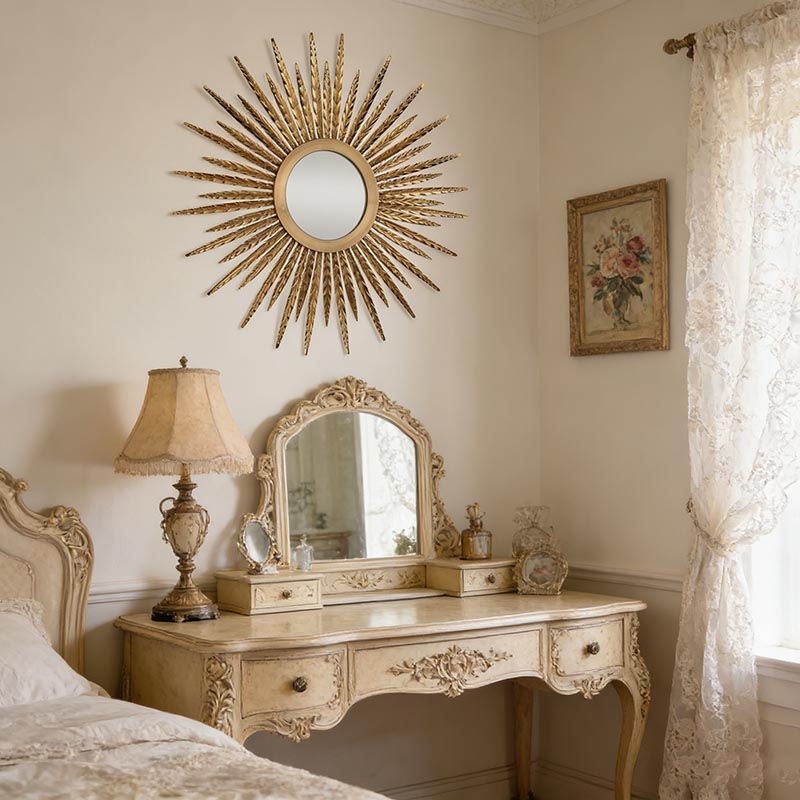
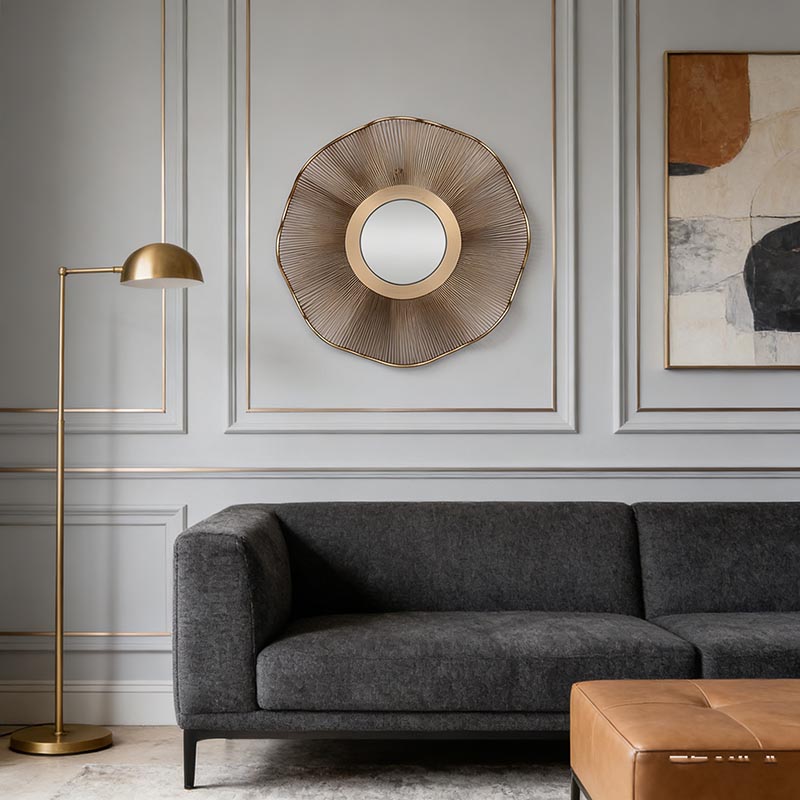
A Trade Guide to Wall Arts & Mirrors
Curating Impact for Vertical Spaces For furniture retailers, contract furnishers, and home decor buyers, wall decor is the final layer that defines a space. It transforms blank walls into focal points and completes the narrative of a room. This guide provides actionable insights for evaluating, sourcing, and merchandising wall art and mirrors, focusing on how these pieces can become reliable, high-margin assets for your commercial and residential clients.
1. Why Wall Decor is a Strategic Inventory Category
Wall art and mirrors are not just decor; they are essential space-making tools. A large mirror can double the perceived size of a hotel lobby; a statement art piece can become the brand identity of a restaurant. For your clients in hospitality, corporate offices, retail, and residential development, these items solve the problem of empty, uninspired walls. For your business, it represents a high-impact category with strong margins, as clients often purchase multiple pieces or large-scale items for a single project, driving significant average order value.
2. Key Factors for Evaluating Quality & Commercial Suitability
Assess wall pieces with installation, durability, and visual impact in mind:
Material & Construction Integrity: Tap it, feel its weight. Metal wall sculptures should be sturdy with well-finished edges. Framed mirrors and art should have solid, warp-free backing, secure corners, and quality glass (beveled edges are a sign of better craftsmanship). Mixed-media pieces should have elements firmly attached.
Finish Durability & Fade Resistance: For commercial spaces, finishes must be robust. Inquire about UV-resistant coatings on printed art and anti-tarnishing treatments on metal. The finish should be able to withstand occasional cleaning without degrading.
Hanging System & Safety: A proper hanging system is critical, especially for heavy items. Look for solid D-rings or a French cleat system securely attached to the frame, not just wire. For very large or heavy mirrors, a factory-supplied securing kit is essential for safety in public spaces.
Packaging: This is a leading cause of damage. Quality suppliers use thick foam corner protectors, glass protectors, and rigid “picture frame” style boxes. Always ask about packaging before your first order.
3. Sourcing for Distinctiveness & Project Consistency
Your supplier should offer unique design and reliable bulk quality.
Prioritize a Factory with In-House Framing & Finishing: A manufacturer like Tikanna, which controls the framing, finishing, and assembly, ensures color and detail consistency. This is vital when you need 50 identical pieces for a hotel corridor or a perfectly matched set of framed prints for a restaurant.
Request Detailed Specifications & Layouts: Always get exact dimensions, weight, and details of the hanging system. For modular or multi-panel art, request a layout diagram to ensure correct installation spacing.
Order a Sample of a Key Style: Evaluate the physical presence, finish quality, and packaging of one piece before committing to a full collection or project order. This minimizes risk.
4. Understanding Styles: Classic Statement vs. Modern Focus
Our collection is curated into two primary commercial aesthetics:
Classic & Traditional: This includes ornate gilded mirrors, traditional oil-painting style prints in wood frames, and classical sculptural motifs. It’s the standard for luxury hotels, fine dining establishments, law firms, and traditional residential interiors.
Modern & Contemporary: Characterized by sleek, unframed mirrors, abstract metal wall sculptures, large-format minimalist photography, and mixed-media textural pieces. This style is preferred by boutique hotels, corporate offices, design-forward retail stores, and modern apartments.
5. Commercial Applications & Client Targeting
Guide your sourcing by knowing the primary uses:
Hospitality (Hotels & Restaurants): Large-scale mirrors for lobbies and restrooms, themed art for corridors, and dramatic pieces for dining areas. Durability and easy maintenance are key.
Corporate & Office: Brand-appropriate art for reception, conference rooms, and executive suites. Often purchased in coordinated sets.
Retail (Furniture & Home Decor Stores): This is where variety sells. Offer a range from small affordable prints to large statement mirrors to cater to different customer budgets and spaces.
Residential Development: Model homes and apartments use art and mirrors to create an aspirational, lived-in feel. Neutral but stylish pieces with broad appeal are ideal.
6. Merchandising & Sales Strategies for Higher Value
Display in a Curated Vignette: Never hang a mirror or piece of art in isolation. In your showroom, place a mirror above a console table styled with lamps and vases. Group several art pieces together to show how to create a gallery wall.
Sell the Transformation, Not Just the Object: Use language like, “This large mirror will make your client’s lobby feel twice as bright and spacious,” or “This triptych will become the focal point of the entire living room.”
Provide Simple Styling & Layout Guides: Educate your sales staff (and thus your customers) on basic principles: hanging height (center at eye level), proper scaling over furniture, and how to arrange a gallery wall. This adds value and builds trust.
7. Addressing Common Commercial Questions
“How do we hang this securely on drywall/concrete?” Provide basic guidance: use appropriate wall anchors for the weight. For heavy items (>50 lbs), always recommend consulting a professional installer. We include general guidance, but local wall conditions vary.
“Can we get a custom size for this specific wall?” For very large project volumes, we can often adjust dimensions within reason. For standard orders, we recommend selecting from our range of sizes, which are designed to suit most standard applications.
“How do we clean the mirror/glass without damaging the frame?” Recommend a soft, lint-free cloth and a mild glass cleaner sprayed directly onto the cloth, not the piece, to avoid liquid seeping into the frame seams.
Conclusion
A well-selected wall art and mirror collection is fundamental to providing complete interior solutions. By sourcing pieces that combine distinctive design with commercial-grade construction and reliable packaging, you equip your clients to transform their spaces with confidence. This solidifies your role as a key partner in their project’s success and builds a reputation for quality that extends beyond furniture.
Ready to elevate your wall decor offering? Contact us to request the full catalog, discuss project-specific requirements, or order a sample piece to assess the material quality and impact for yourself.
Download Our Catalog
to see how we’ve helped others realize their vision.
Consult with Our Team
to discuss the specific possibilities for your next project.
Table Of Content
1. Why Wall Decor is a Strategic Inventory Category2. Key Factors for Evaluating Quality & Commercial Suitability3. Sourcing for Distinctiveness & Project Consistency4. Understanding Styles: Classic Statement vs. Modern Focus5. Commercial Applications & Client Targeting6. Merchandising & Sales Strategies for Higher Value7. Addressing Common Commercial QuestionsConclusion