Vases
Request A Quote
Tikanna Vases | Form, Function & Floral Art
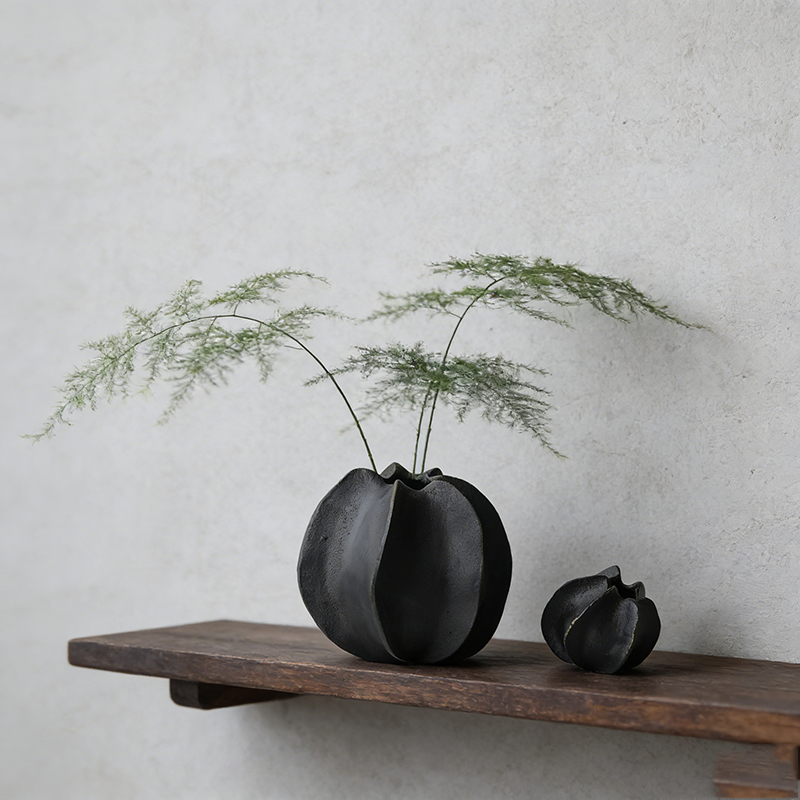
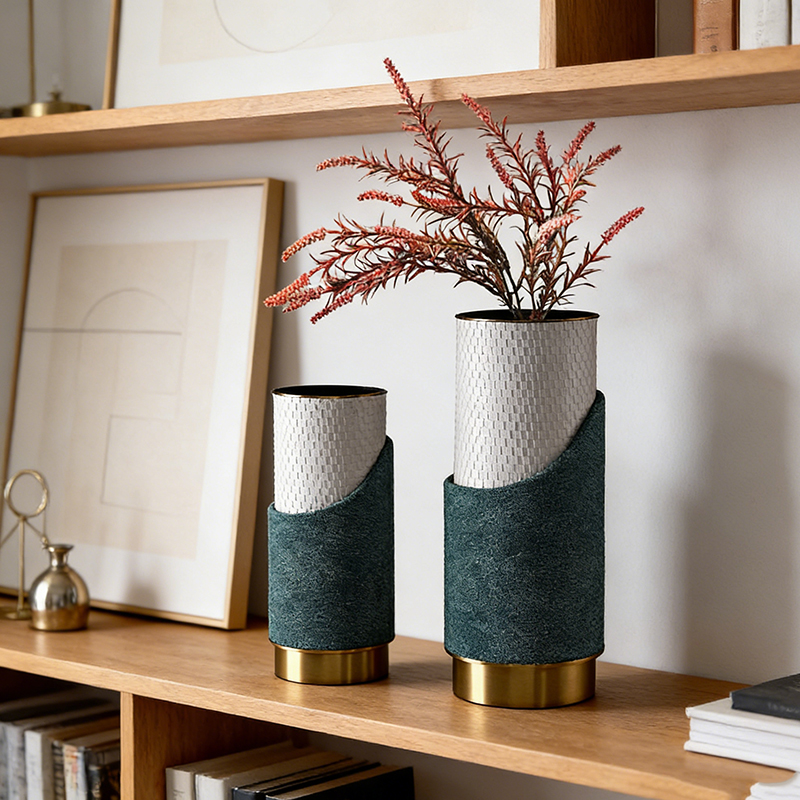
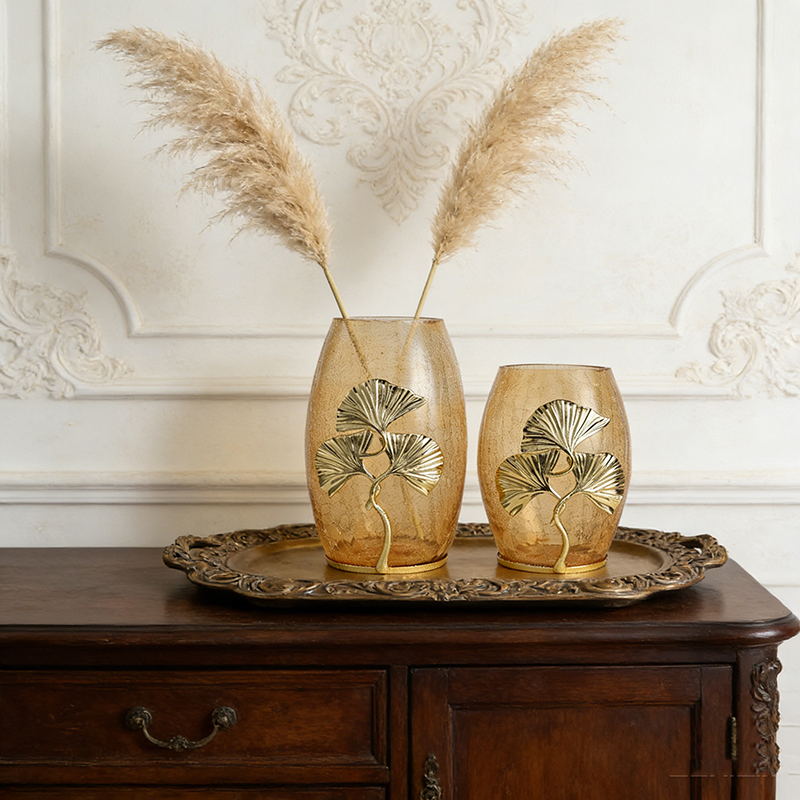
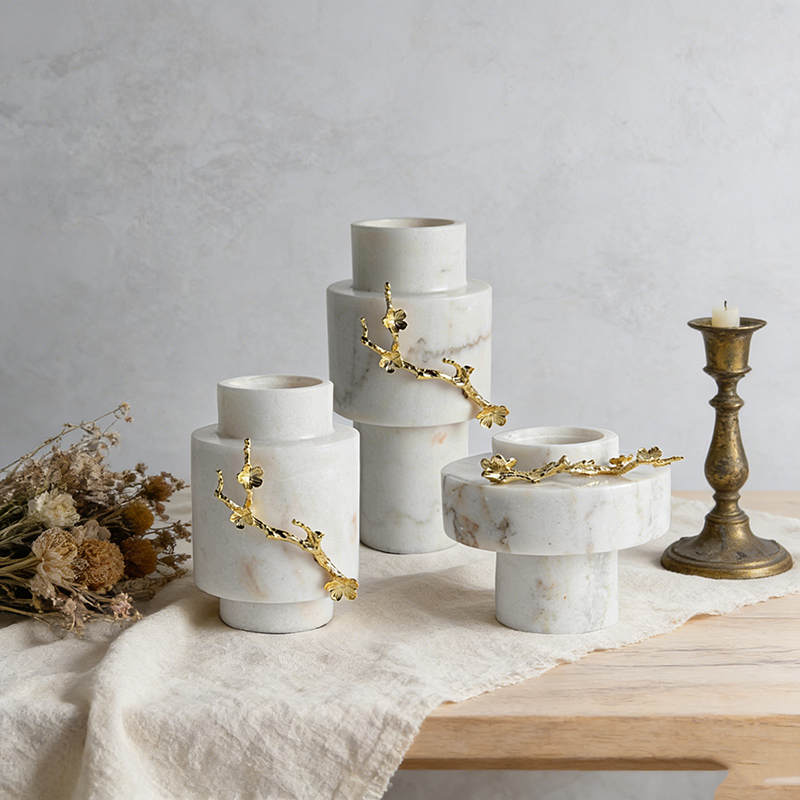
From minimalist cylinders to ornate statement pieces, our vase collection is crafted to hold more than flowers—it holds a room's focal point. Produced in our own factory in glass, ceramic, and metal, we offer a curated range of durable, style-defining vessels for hotel lobbies, retail displays, and residential spaces.
.jpg)
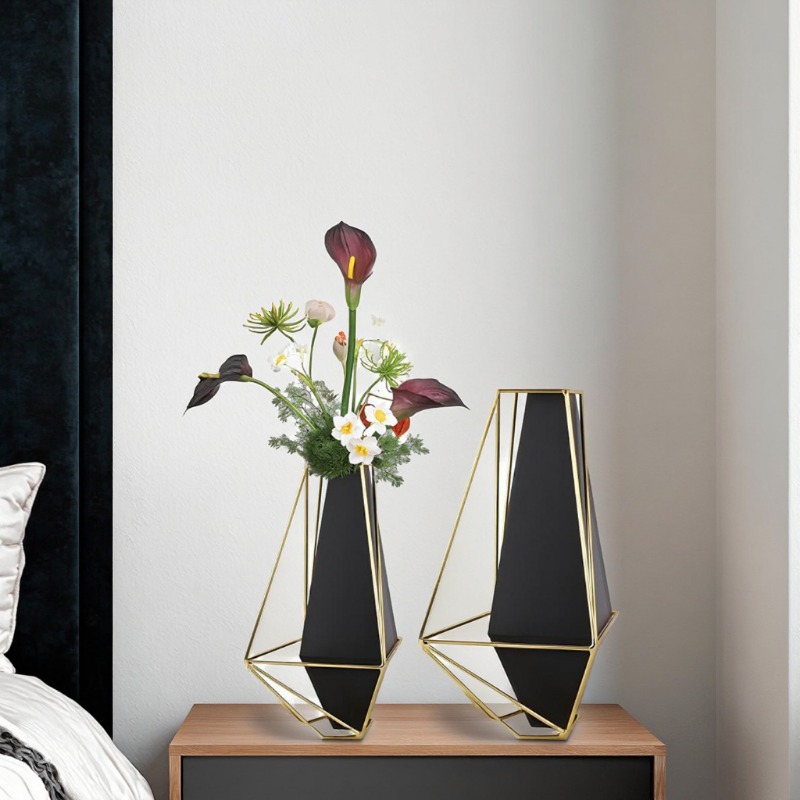
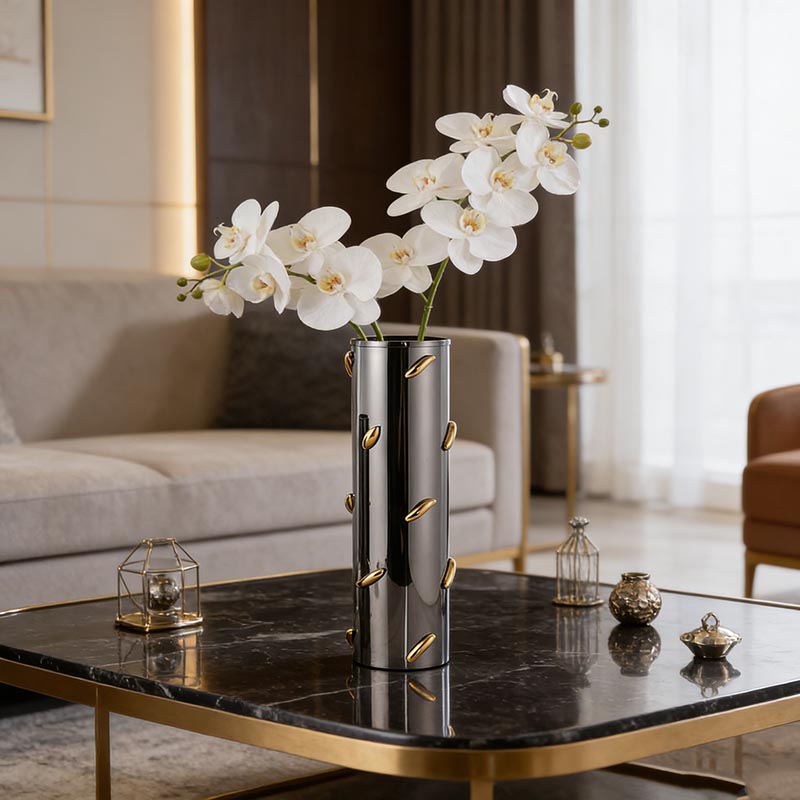
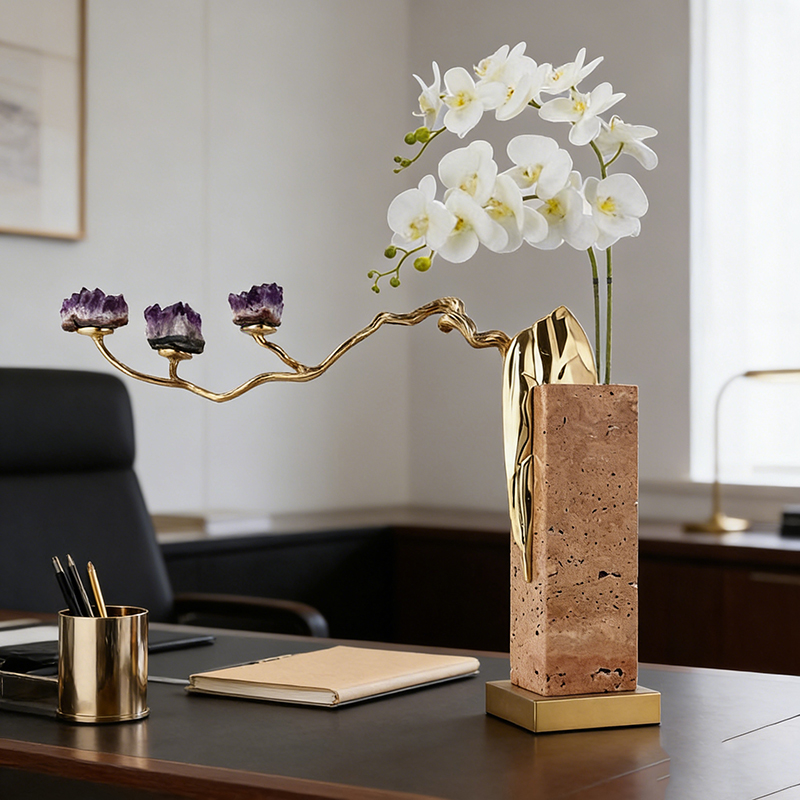
A Trade Guide to Vases: Selecting for Floral Design & Interior Impact
For home decor retailers, florists, and hospitality suppliers, vases are a dual-purpose category: they are essential floral tools and standalone decorative sculptures. Selecting the right assortment requires an understanding of material quality, design versatility, and commercial application. This guide provides practical insights to help you curate a vase collection that meets the needs of both professional florists and design-conscious consumers, driving sales across multiple channels.
1. The Commercial Value of a Well-Curated Vase Collection
Vases are a consistently high-demand category with multiple points of sale. For your business, they represent a versatile product that appeals to interior designers sourcing for staging or clients, florists needing reliable vessels, hospitality procurement teams furnishing lobbies and suites, and retail customers beautifying their homes. A single, well-chosen vase can be sold as a gift, a decor item, or a professional tool, ensuring strong sell-through and healthy margins when quality is evident.
2. Key Factors for Evaluating Quality & Suitability
Assess vases beyond their appearance. Focus on these tangible aspects that affect performance and perception:
Material Quality & Clarity: The material defines its use and value. Glass should be clear, with consistent thickness and no bubbles or distortions. Ceramic/Pottery should have a smooth, well-glazed interior (for water-tightness) and a stable, non-porous body. Metal must have a substantial feel and a finish resistant to water spotting. Inferior materials look and feel cheap and may leak or degrade.
Craftsmanship & Structural Integrity: Examine the vase closely. The base must be perfectly flat to prevent wobbling. The rim should be smooth and even. Seams (on molded glass or ceramic) should be minimal or non-existent. Any applied decorative elements should be securely attached. These details are markers of manufacturing care and ensure the vase is fit for purpose.
Proportion, Scale & Neck Design: Function follows form. The height and opening determine the floral arrangements it can hold. A narrow neck supports single stems elegantly; a wide mouth is for lush, sprawling bouquets. Consider your clients’ needs: do they need statement floor vases for hotel lobbies or petite bud vases for restaurant tables?
Weight & Stability: A vase must be bottom-heavy or sufficiently weighted to remain stable when filled with water and heavy stems. This is a critical safety and functional feature, especially for tall floor vases used in public spaces.
3. Sourcing for a Cohesive & Reliable Inventory
Your supplier should offer consistency, especially for repeat orders.
Prioritize a Factory with In-House Production: A manufacturer like Tikanna, which controls the glass-blowing, ceramic firing, or metal-spinning processes, ensures consistent color, size, and quality across batches. This is crucial when you need to reorder a best-selling style or fulfill a large project order where uniformity is key.
Request Samples for Critical Evaluation: Always handle a physical sample. Test its stability, feel the weight, check the interior finish, and if possible, test it with water. This is the only way to verify quality and how it will complement other items in your collection.
Confirm Packaging for Fragile Goods: Vases are fragile. Ensure the supplier uses custom, form-fitting foam inserts or cardboard cradles within a sturdy outer carton. Proper packaging dramatically reduces shipping breakage and associated losses.
4. Curating by Style and Application
Build your collection to serve distinct market segments:
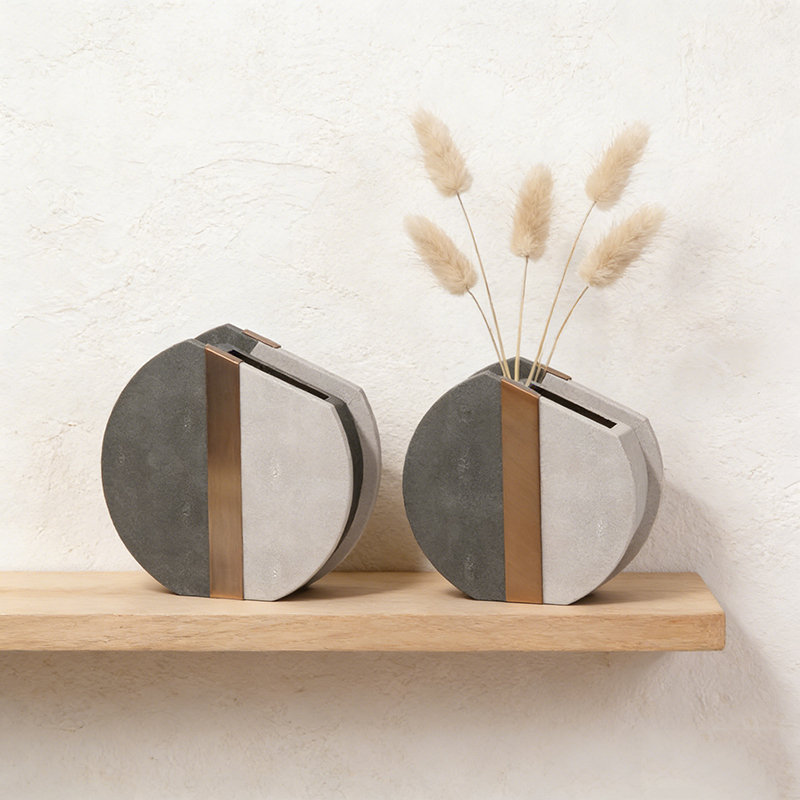
Modern/Contemporary: Featuring clean lines, geometric shapes, and monochromatic finishes (clear glass, matte ceramic, brushed metal). Ideal for corporate offices, boutique hotels, and modern furniture retailers.
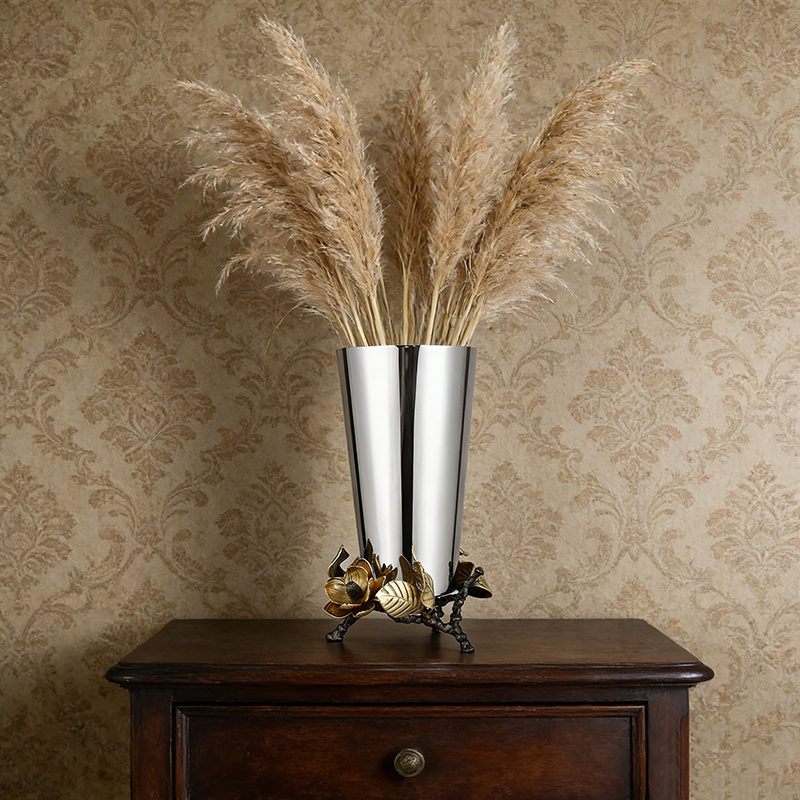
Classic/Traditional: Including crystal-cut glass, ornate ceramic patterns, and metallic finishes. Appeals to luxury hotels, formal event planners, and traditional home decor stores.
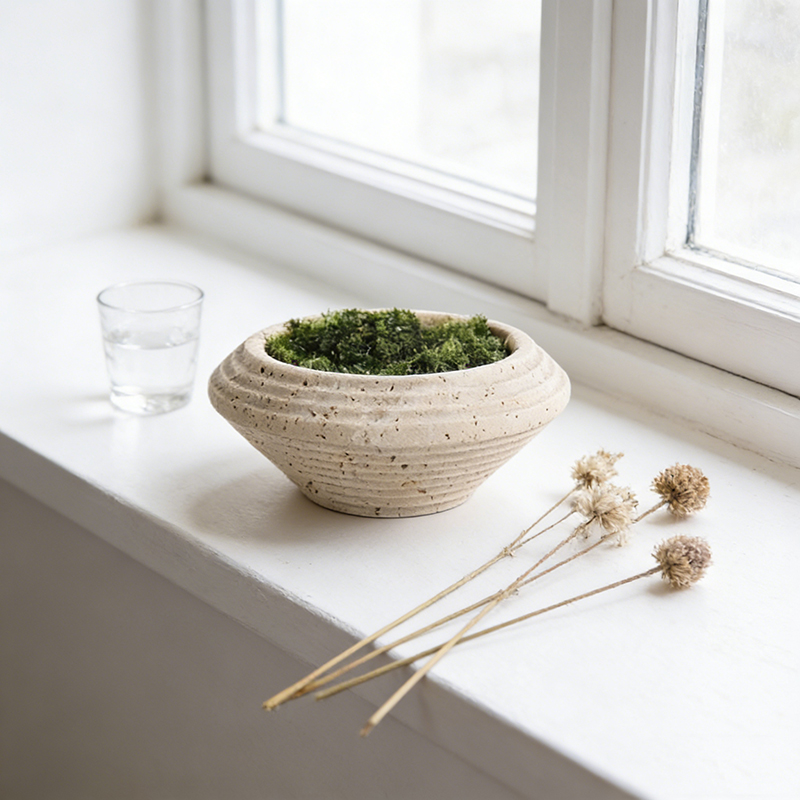
Organic/Rustic: Comprising stoneware, textured glazes, and natural, irregular shapes. Perfect for farmhouse-style restaurants, spa resorts, and lifestyle boutiques.
Florist-Centric Utility: Focus on clear glass in standard shapes (cylinder, trumpet, cube) and durable plastic for high-volume, practical use. These are fast-moving items for professional florist supply.
5. Merchandising & Sales Strategies for Maximum Impact
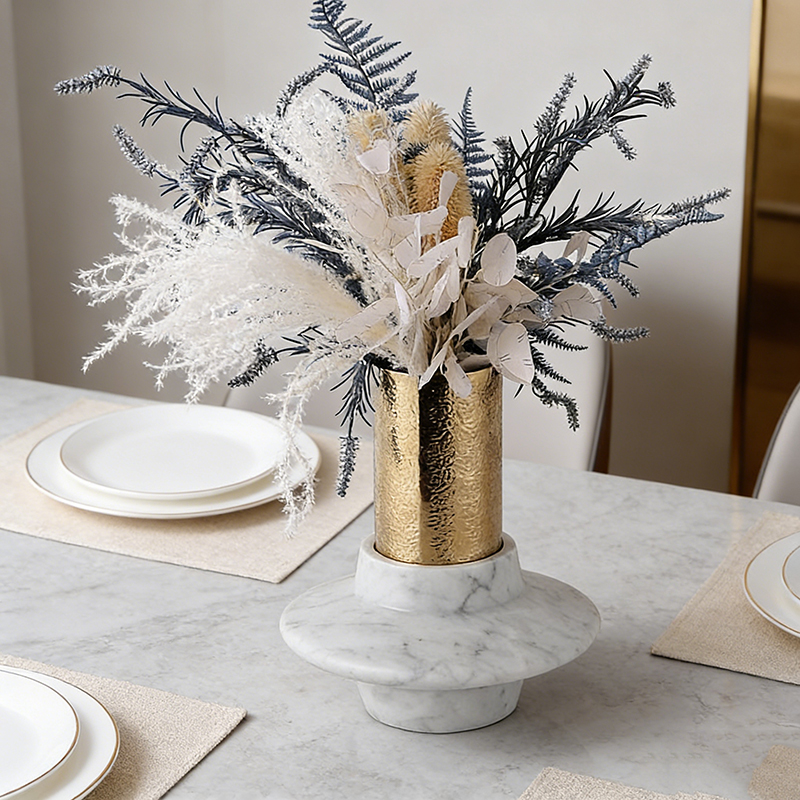
Sell the Lifestyle, Not Just the Object: Never display an empty vase. Style it with faux or dried botanicals, or group several vases together in varying heights. Show how they create a tablescape or enhance a shelf. This visual storytelling drives sales.
Educate on Scale and Use: Provide simple guides. For example, “This 40cm vase is perfect for a floor arrangement in a corporate lobby,” or “This set of three bud vases creates a dynamic centerpiece.” Help the customer visualize the application.
Target Cross-Selling Opportunities: Vases naturally pair with other categories. Market them alongside artificial plants, candle holders, trays, and table linens. For B2B, propose them as part of complete “table setting” or “lobby refresh” packages.
6. Addressing Common Commercial Questions
“Is this vase watertight?” All our ceramic and glass vases are designed and finished to hold water. We recommend checking upon receipt as transit can rarely cause stress fractures. Metal vases often require a separate glass or plastic insert, which we typically provide.
“How do I remove water stains from glass?” A mixture of white vinegar and water, or a gentle citric acid solution, usually works. We advise regular drying to prevent hard water buildup. Providing simple care tips enhances customer satisfaction.
“Can I get this in a different size or color for a project?” For large volume orders, we often have the flexibility to adjust sizes or offer a selection from our existing color palette to suit specific project requirements. This is a key advantage of working directly with a factory.
Conclusion
A strategically sourced vase collection is more than just a product line—it’s a fundamental tool for interior styling and floral artistry. By focusing on material integrity, thoughtful design, and commercial durability, you provide your clients with products that are both beautiful and dependable. This builds trust, encourages repeat business, and establishes your brand as a reliable source for quality decor essentials.
Ready to build a standout vase collection? Contact us to request our full catalog, discuss volume pricing for your next project, or order a sample kit to evaluate the quality and craftsmanship of the Tikanna vase collection firsthand.
Download Our Catalog
to see how we’ve helped others realize their vision.
Consult with Our Team
to discuss the specific possibilities for your next project.
Table Of Content
1. The Commercial Value of a Well-Curated Vase Collection2. Key Factors for Evaluating Quality & Suitability3. Sourcing for a Cohesive & Reliable Inventory4. Curating by Style and Application5. Merchandising & Sales Strategies for Maximum Impact6. Addressing Common Commercial QuestionsConclusion