Clocks & Bookends & Chessboards
Request A Quote
Tikanna Clocks, Bookends & Chessboards | Functional Art for Refined Interiors
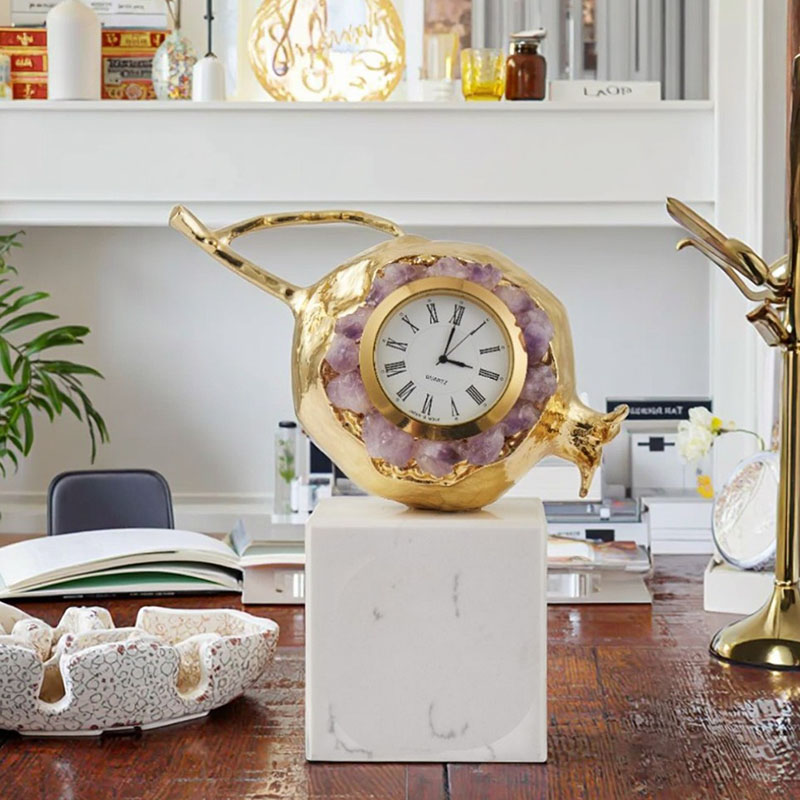
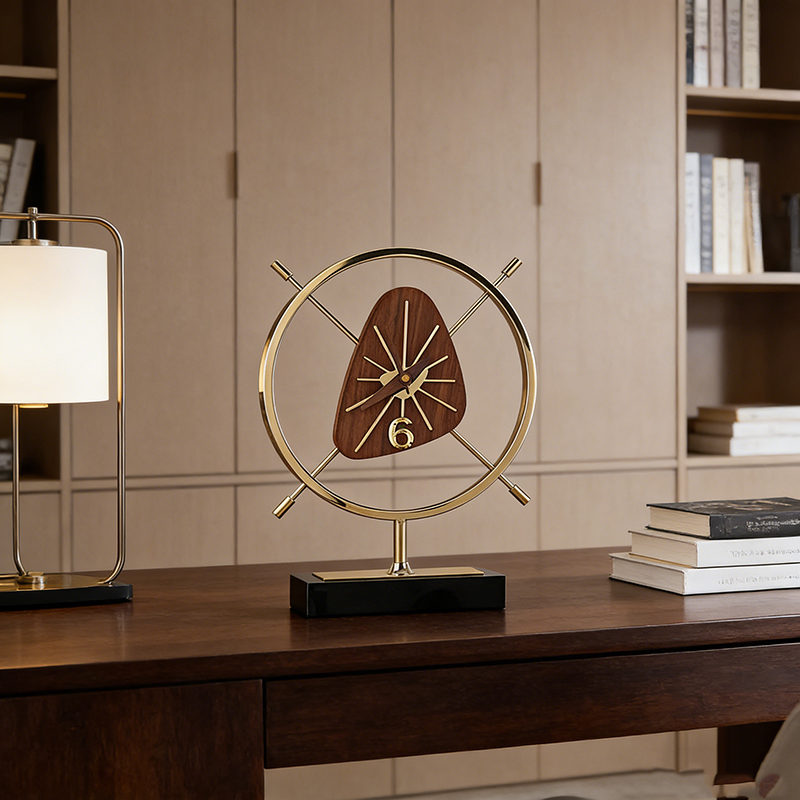
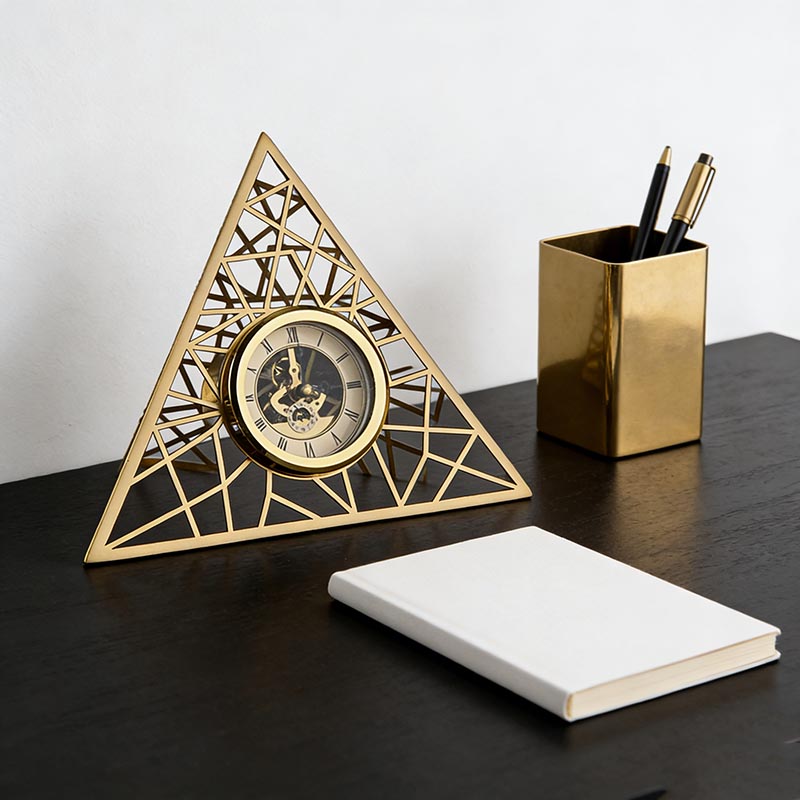
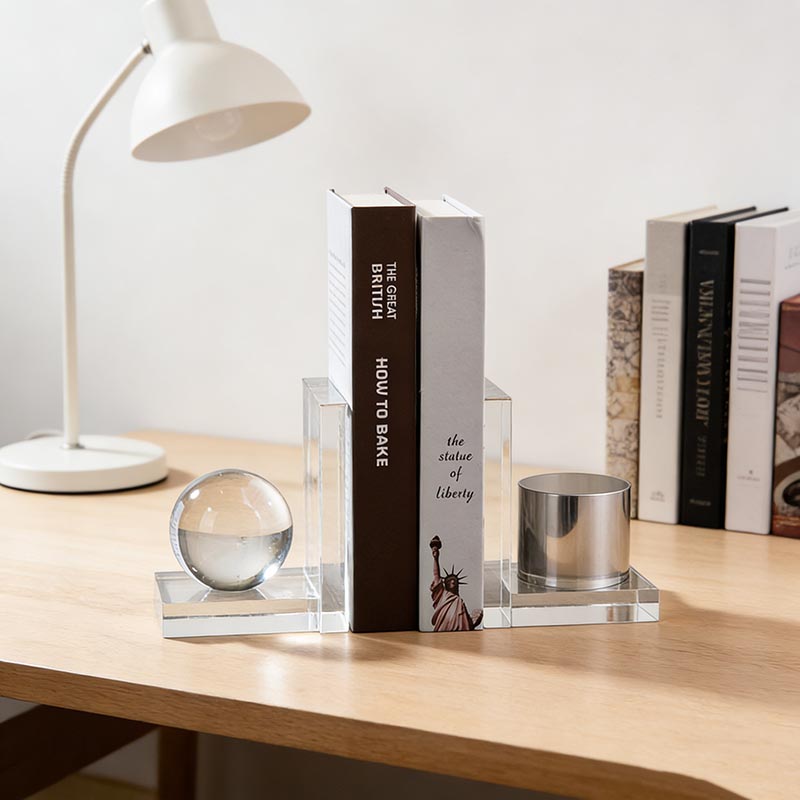
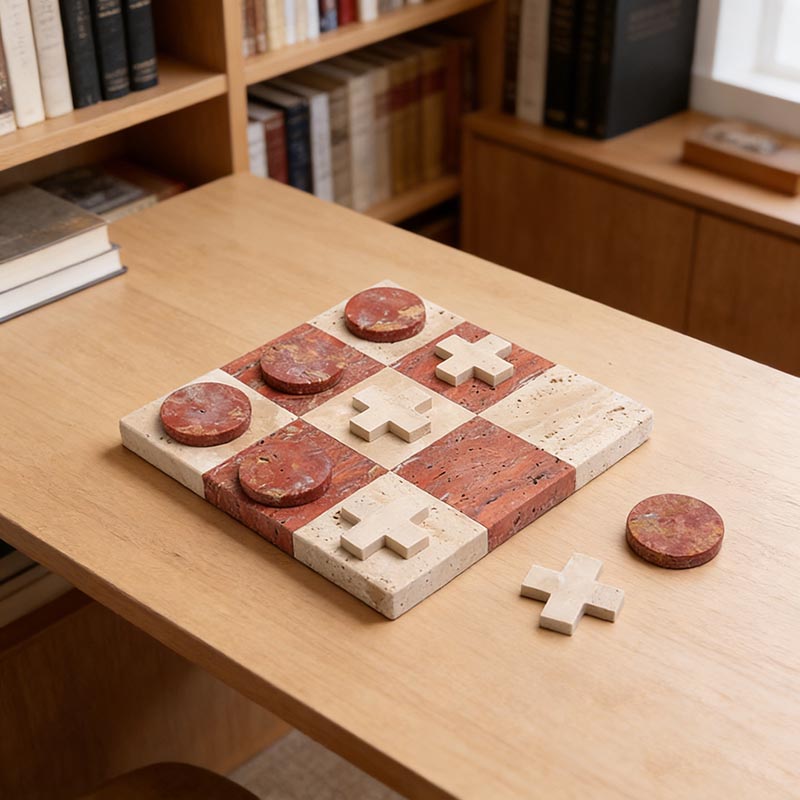
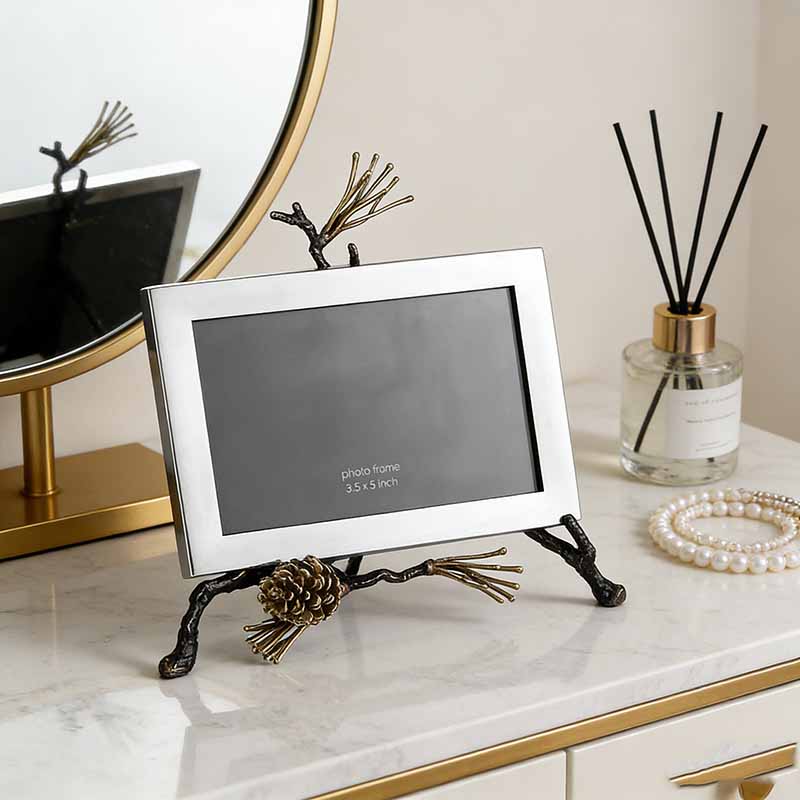
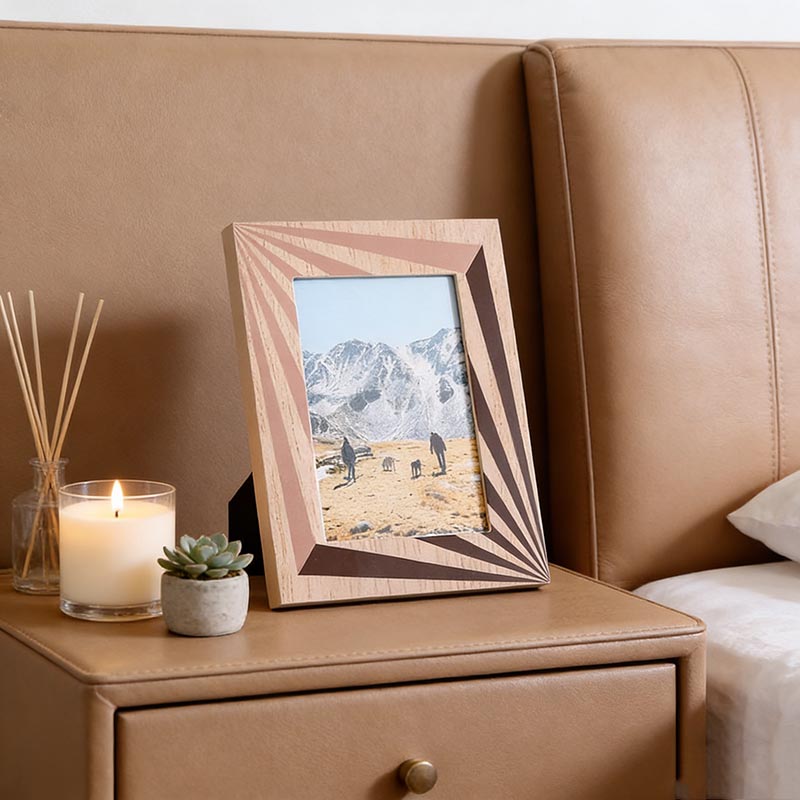
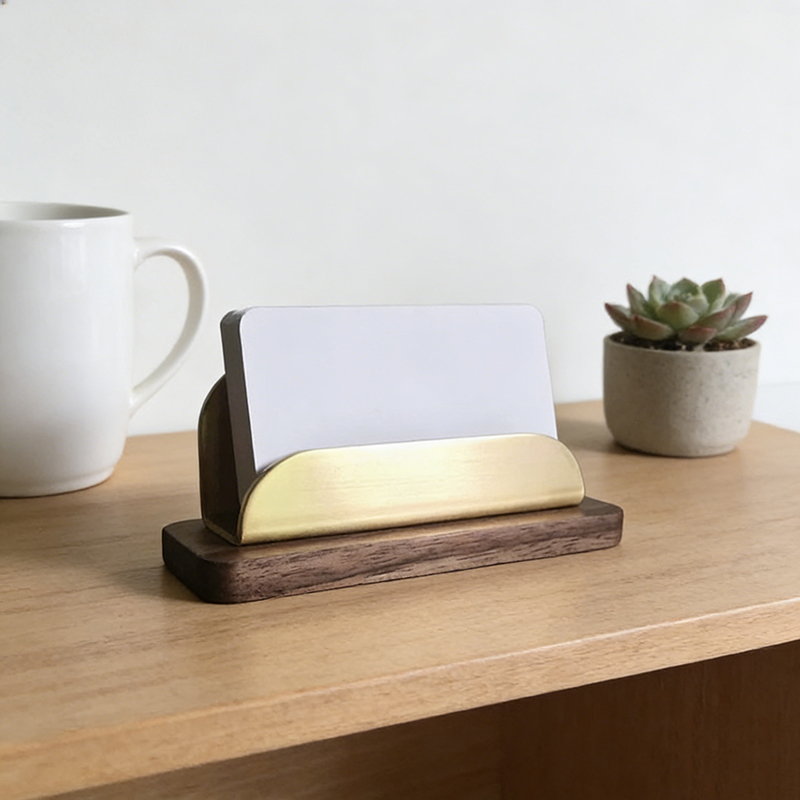
We merge purpose with presence. Our collection of clocks, bookends, and chessboards is crafted from diverse materials—including metals, stone, wood, and crystal—in both classic and contemporary styles. These distinctive pieces serve as both functional tools and striking decorative statements for hotel libraries, executive offices, and curated living spaces.
A Trade Guide to Clocks, Bookends & Chessboards: Sourcing Intelligent Decor
For furniture retailers, office suppliers, and luxury home decor buyers, items like clocks, bookends, and chessboards represent a high-value niche. They combine clear function with strong decorative presence, appealing to clients who value both utility and aesthetics. This guide provides practical insights to help you evaluate, select, and source these statement pieces, ensuring they enhance your portfolio and meet the demands of commercial and high-end residential markets.
1. The Commercial Value of Intelligent Decor
These are more than accessories; they are indicators of taste and intellect. A well-chosen clock, bookend, or chessboard adds layers of meaning to a space—suggesting heritage, learning, or strategic thinking. For your clients in corporate offices, hotel libraries, private clubs, and luxury residences, these items serve as focal points that elevate the entire room’s narrative. For your business, this category offers excellent margins on distinctive products that are often purchased as substantial gifts or key interior design elements, driving higher average order values.
2. Assessing Quality: Craftsmanship, Function & Detail
Evaluate these pieces where art meets engineering. Focus on these critical aspects:
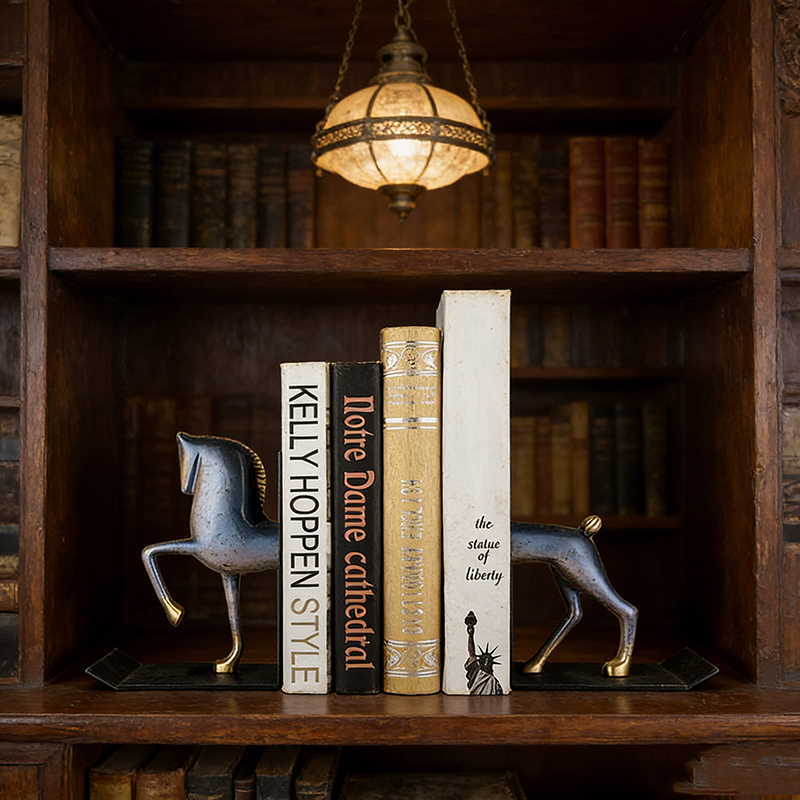
Material Integrity & Weight: Quality is felt in the hand. Clocks with cases of solid wood, slate, or metal have authority. Bookends must be heavy, with a broad, non-slip base to actually hold books without tipping. Chessboards should use stable, well-inlaid materials and pieces with substantial weight. Lightweight pieces feel and perform cheaply.
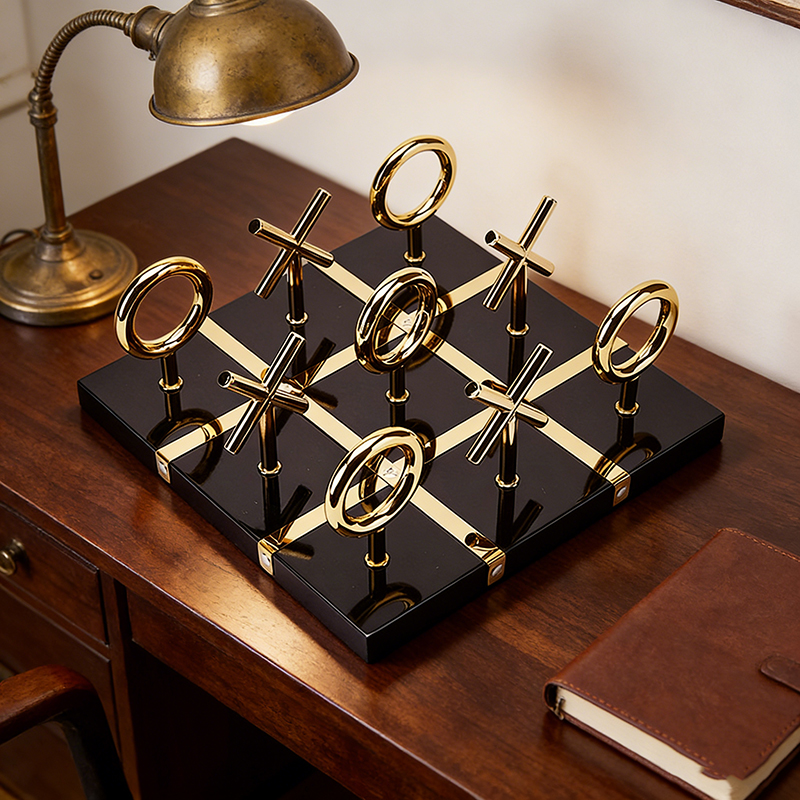
Functional Precision: The core function must be flawless. Clock movements should be reliable, silent quartz (for most applications) or mechanical, with clear, legible dials. Bookends should have a flat, wide contact surface to protect book covers. Chessboards must be perfectly square with a smooth, durable playing surface, and pieces should stand firmly.
Craftsmanship & Finish: Examine the execution. On a clock, check the alignment of numerals and hands, and the quality of the casing finish. For bookends and chess pieces, look for clean casting, smooth edges, and consistent, durable finishes (e.g., hand-rubbed patinas, polished stone). Poor detail work ruins the illusion of luxury.
3. Sourcing for Distinctiveness & Reliability
Your supplier should offer both unique design and dependable quality.
Seek a Manufacturer with Design Capability: Partner with a factory like Tikanna that develops its own designs, moving beyond generic copies. This gives you a unique product story and protects your margins.
Verify Movement and Component Quality: For clocks, inquire about the movement brand and its warranty. For chess sets, check the storage solution for the pieces (e.g., a fitted interior box). These details affect long-term customer satisfaction.
Prioritize Protective Packaging: These items often have delicate components (clock hands, slender chess pieces). Ensure the supplier uses compartmentalized, form-fitted packaging within a sturdy outer box to prevent damage in transit.
4. Navigating Styles: Classic Heritage vs. Modern Statement
Our collection caters to two primary commercial design directions:
Classic & Traditional: Featuring materials like walnut, brass, marble, and leather. Designs include banker’s desk clocks, library-style bookends, and Staunton-style chess sets. This style is preferred for law firms, traditional hotels, private libraries, and heritage residences.
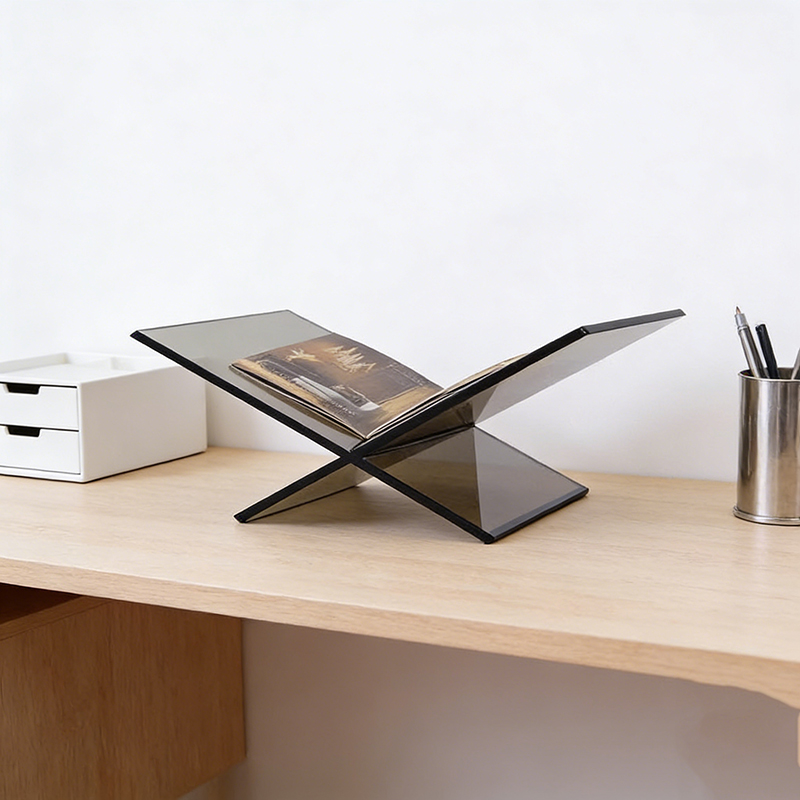
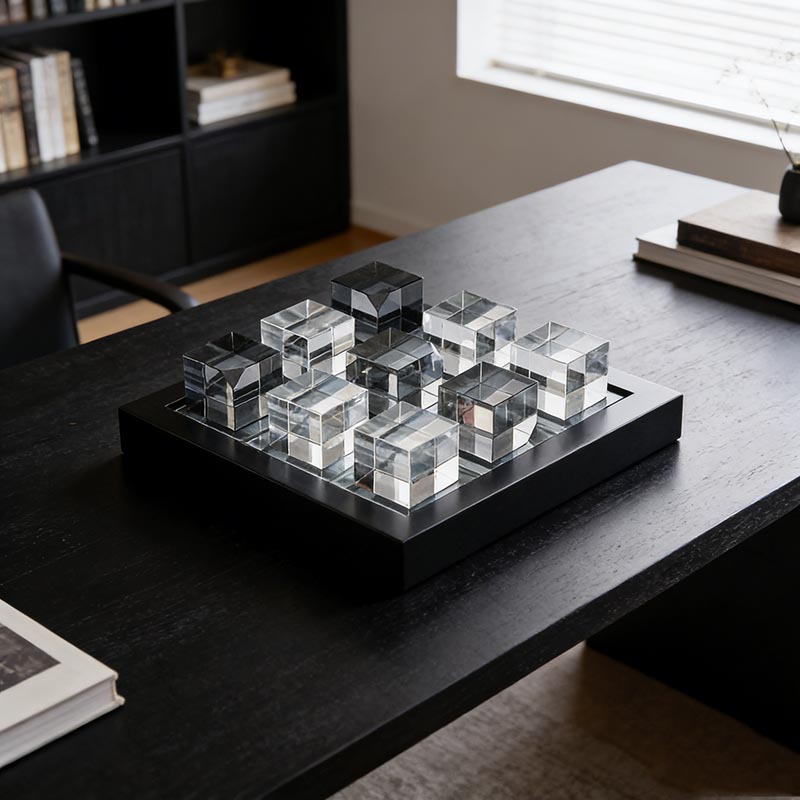
Modern & Architectural: Characterized by clean lines, geometric forms, and materials like brushed steel, acrylic, and concrete. Think minimalist wall clocks, abstract sculptural bookends, and monochromatic chessboards. This style suits contemporary offices, boutique hotels, design studios, and modern apartments.
5. Key Applications & Target Markets
Source with specific end-uses in mind to guide your clients effectively:
Corporate & Office: Desk and wall clocks are essential. Substantial, stylish bookends are perfect for executive suites and reception areas. They project stability and professionalism.
Hospitality: Large lobby clocks make a brand statement. Chessboards in game rooms or lounges add an engaging, sophisticated amenity for guests.
Retail (Home & Gift Stores): These are high-ticket gift items. Curate a selection that tells a story—a travel-themed globe clock, literary-inspired bookends, or a luxury chess set. They attract customers looking for a meaningful purchase.
Residential & Interior Design: Designers use these as key styling tools to anchor a study, define a living room wall, or add character to a shelf.
6. Effective Merchandising & Sales Strategies
Display in Context: Show a clock on a mantelpiece or office wall backdrop. Style bookends holding a curated selection of books. Set up a chessboard mid-game. This demonstrates their purpose and scale.
Sell the Story and Craftsmanship: Train your team to talk about the materials, the design inspiration, and the quality of the movement or construction. This justifies the price point and connects emotionally with the buyer.
Position as the Ultimate Gift: Market these items during key gifting seasons. A beautiful chessboard or a designer clock is perceived as a thoughtful, lasting gift for a retirement, promotion, or new home.
7. Addressing Common Commercial Questions
“What type of battery does this clock use, and how long does it last?” Most quality quartz movements use common cell sizes (AA, C) and can last a year or more. Provide this information to prevent support calls.
“Are the bookends felt-bottomed to protect furniture?” Yes, our bookends feature non-slip, non-scratch felt or rubber pads on the base to protect fine wood surfaces. Highlight this feature.
“Is the chessboard standard tournament size, and are the pieces weighted?” We offer both decorative and tournament-standard sizes. Our higher-end pieces are indeed weighted for a premium feel and stable play. Clarifying this helps customers choose correctly.
Conclusion
A curated collection of clocks, bookends, and chessboards allows you to offer clients intelligent solutions that enhance both the function and narrative of a space. By focusing on material authenticity, precise functionality, and distinct design, you provide products that command attention and justify investment. This builds your brand’s authority in the decorative accessories market.
Ready to add a touch of intelligence to your inventory? Contact us to request the full collection catalog, discuss best-selling items for your market segment, or inquire about samples to experience the quality and design distinction firsthand.
Download Our Catalog
to see how we’ve helped others realize their vision.
Consult with Our Team
to discuss the specific possibilities for your next project.
Table Of Content
1. The Commercial Value of Intelligent Decor2. Assessing Quality: Craftsmanship, Function & Detail3. Sourcing for Distinctiveness & Reliability4. Navigating Styles: Classic Heritage vs. Modern Statement5. Key Applications & Target Markets6. Effective Merchandising & Sales Strategies7. Addressing Common Commercial QuestionsConclusion