Decorative Objects
Request A Quote
Tikanna Decorative Objects | Curated Accents of Substance & Style
Our decorative objects collection is designed to complete a space with intention. Crafted in our own factory with a focus on premium materials and precise detail, these curated accents—from art bowls to desk accessories—offer retailers and designers the essential finishing touches to elevate tabletops, shelves, and displays with quality and coherence.
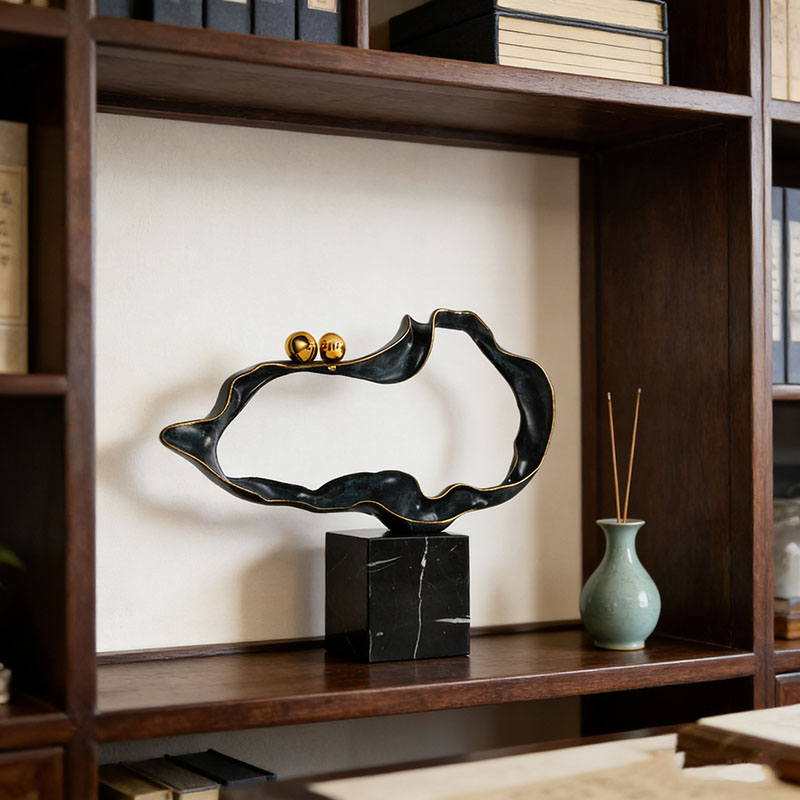

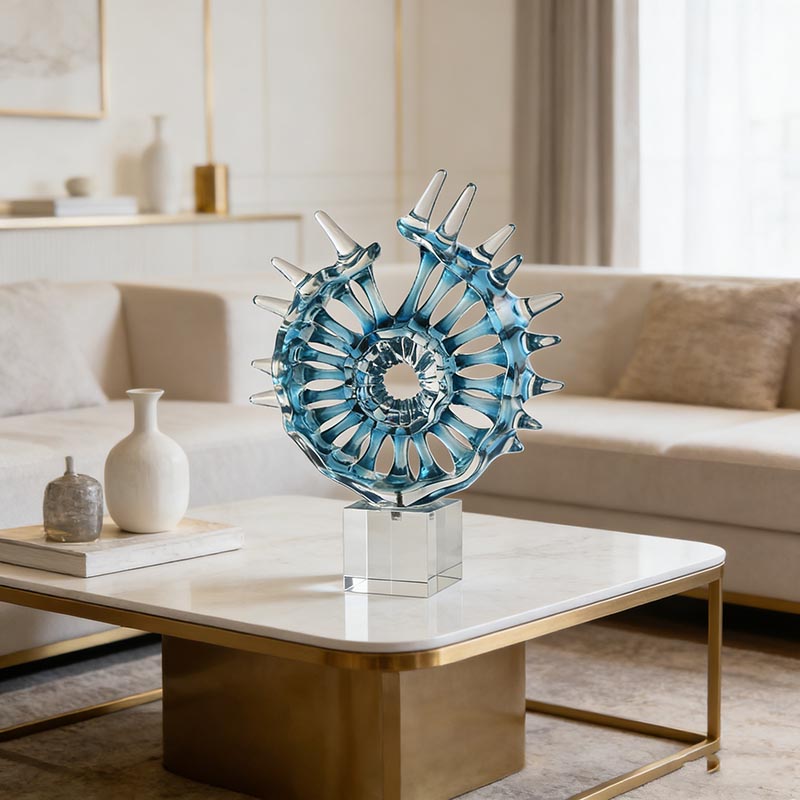
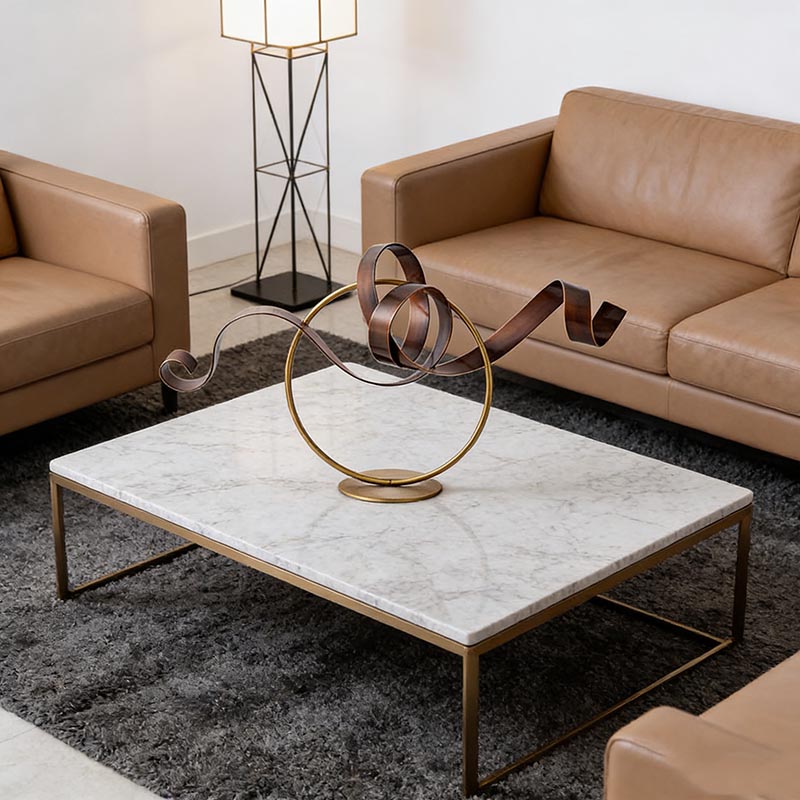
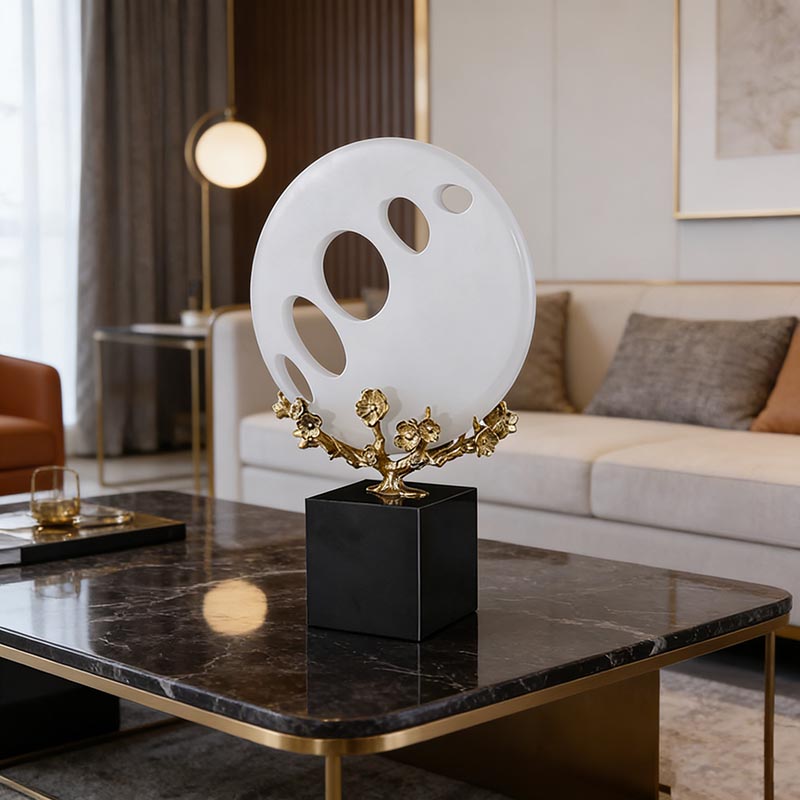

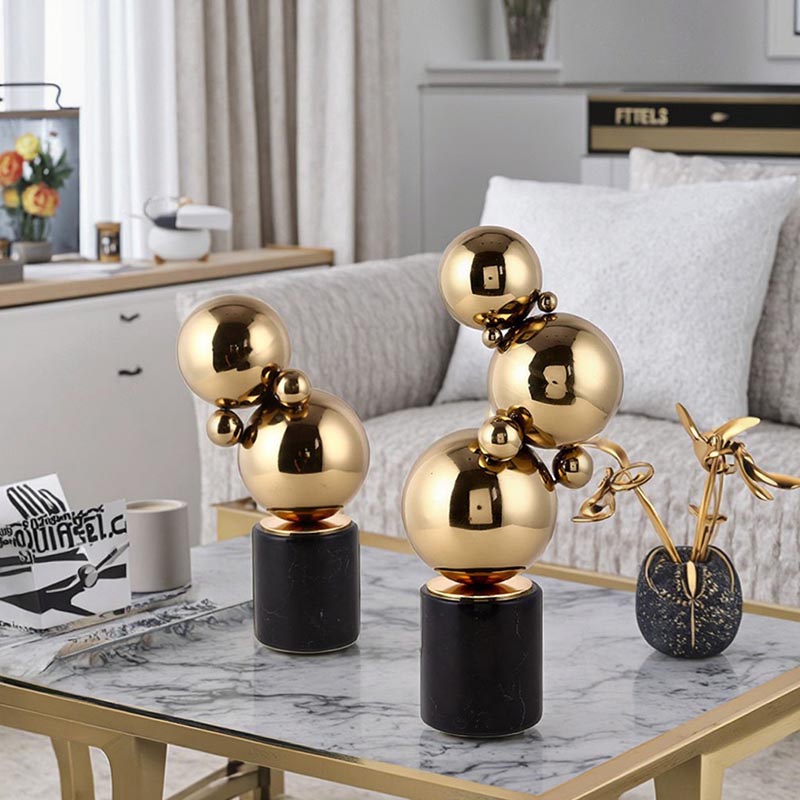
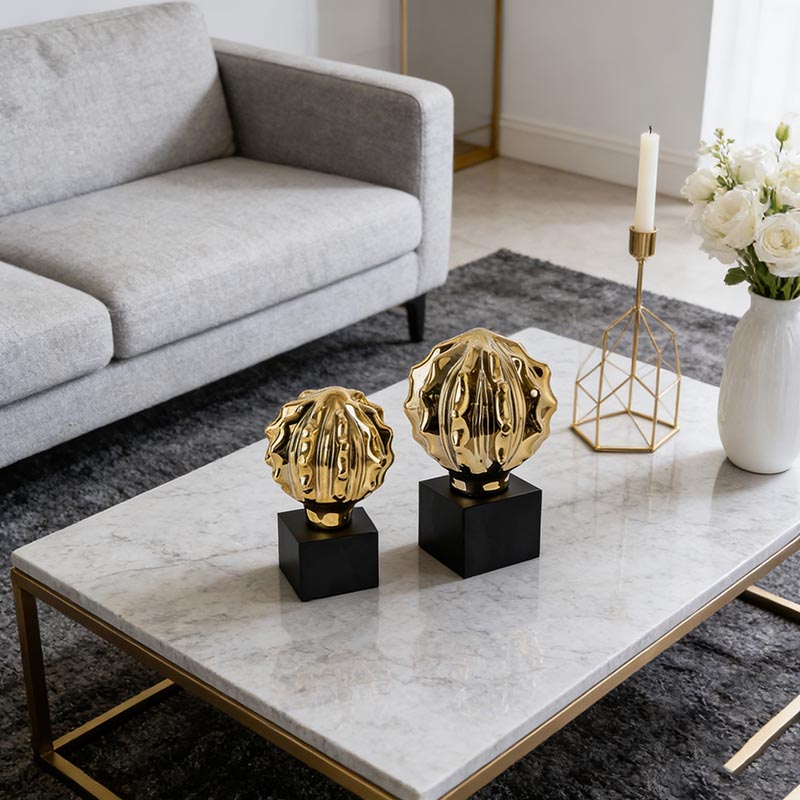

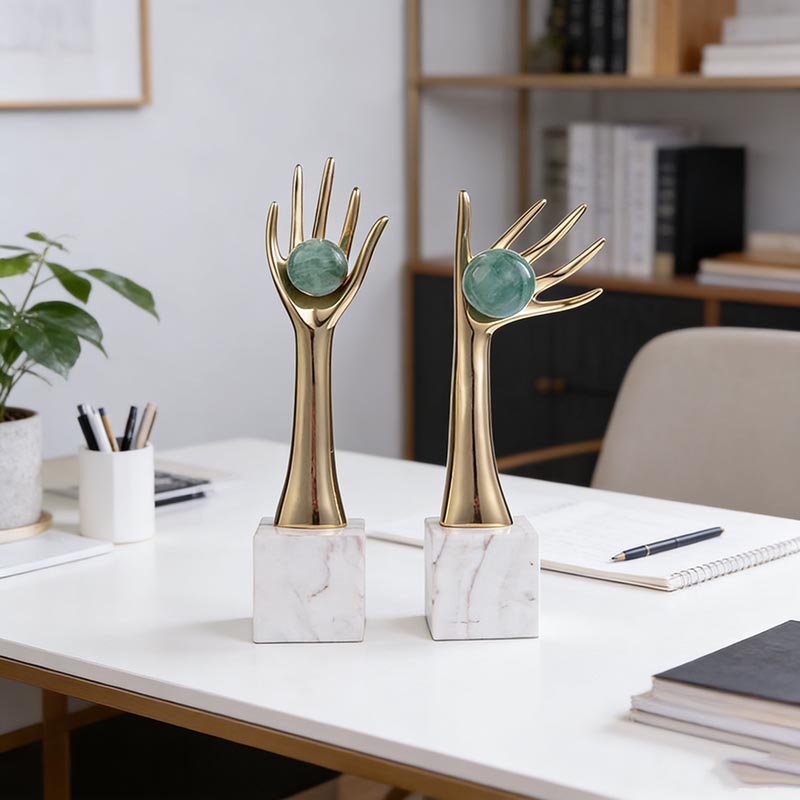
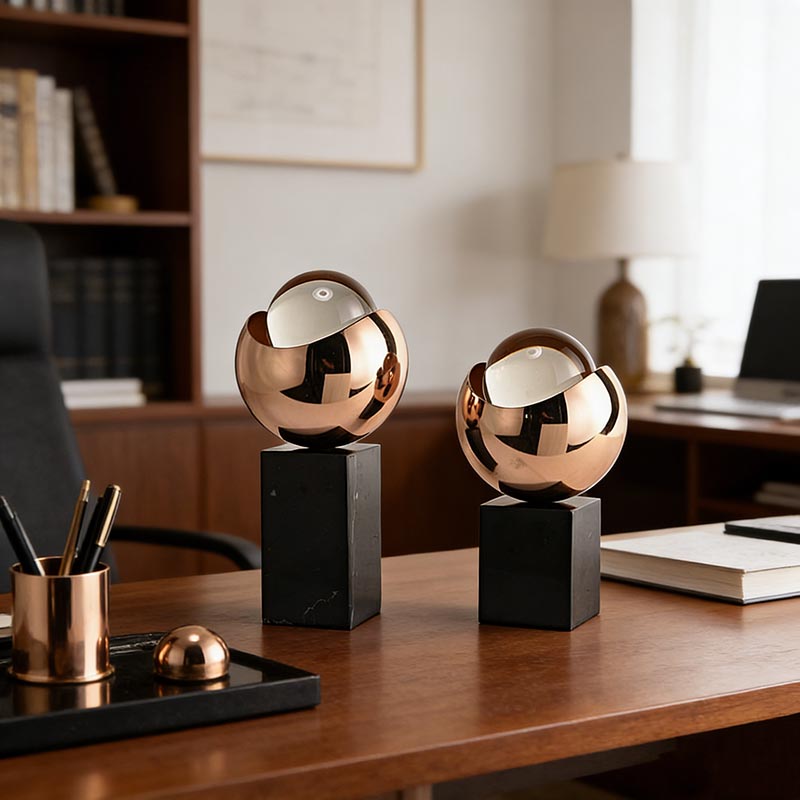
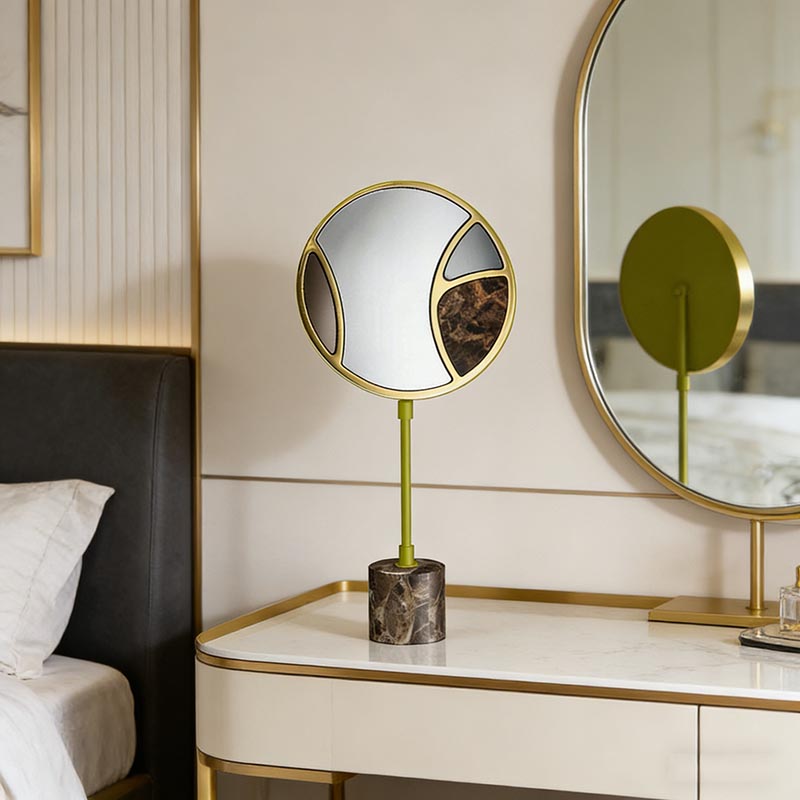
A Buyer’s Guide to Decorative Objects
Curating Quality for Commercial Spaces For furniture retailers, home decor buyers, and project specifiers, decorative objects are the essential finishing touches that transform a styled room into a lived-in, compelling space. This category, which includes art bowls, figurines, desk accessories, and sculptural pieces, is high-margin but requires a discerning eye for quality. This guide provides clear, actionable criteria to help you select and source decorative objects that offer genuine value, enhance your overall product offering, and satisfy your most design-conscious clients.
1. Why Stock Decorative Objects? The Complete-Solution Strategy
Decorative objects are the final layer in interior styling. For your clients—whether they are homeowners, interior designers, or hospitality procurement teams—these items complete a vignette, add personality, and elevate the perceived value of your core furniture or lighting offerings. By stocking a curated collection, you transform from a vendor of single items into a provider of complete, ready-to-merchandise solutions. This increases average order value and positions your business as a one-stop destination for curated interiors, a key advantage in competitive markets.
2. How to Assess Quality: Beyond the First Glance
Without technical specifications, quality is judged by material, weight, and finish. Use these practical evaluation points:
Material Integrity & Weight: Pick up the object. Does it have a satisfying, substantial heft? Authentic materials like solid metals (brass, iron), natural stone, dense ceramics, or quality resin composites feel cool to the touch and are inherently durable. Lightweight, hollow pieces feel cheap and are prone to damage.
Finish Fidelity & Craftsmanship: Examine surfaces closely. A quality finish has depth and consistency. For metallic finishes, look for the subtle variations of a hand-applied patina, not a flat, sprayed-on paint. Check seams, edges, and any applied details (like inlays) for precision. Rough spots, visible glue, or uneven coloration are red flags.
Design Intent & Proportion: Does the piece have a clear, intentional design? Avoid generic, mass-produced shapes. Look for strong silhouettes, balanced proportions, and thoughtful details that tell a story. Unique, well-designed objects command higher prices and resist becoming dated quickly.
3. Sourcing for Consistency and Commercial Appeal
Your supplier should be a curator and a consistent manufacturer.
Seek a Cohesive Collection: A major advantage of sourcing from a dedicated manufacturer like Tikanna is design coherence. Objects should share a common aesthetic language (e.g., finish palette, design motifs) that allows them to be styled together effortlessly. This makes buying easier for your clients and creates a more professional presentation in your catalog or showroom.
Prioritize Commercial Durability: Specify that items are for resale or commercial use. Inquire about finish durability—are they sealed against tarnishing or fingerprints? Can they withstand occasional handling in a retail display or hotel lobby? This focus reduces returns and maintains the item’s appearance over time.
Request Physical Samples for Key Lines: Always evaluate a sample. Photos can be misleading. A sample confirms the true color, weight, texture, and overall presence of the piece, ensuring it meets your quality standards before you commit to inventory.
4. Curating for Different Applications and Clients
Align your selection with your primary customer segments:
Luxury Residential & Staging: Focus on unique, artistic statement pieces and elegant sets (e.g., a trio of graduated spheres). These are for clients looking for a one-of-a-kind focal point.
Hospitality (Hotels, Restaurants): Prioritize robust, medium-scale objects that are easy to clean and maintain. Think sculptural vases for lobby consoles or abstract forms for restaurant shelf displays. Sets are useful for creating repetition in corridors or suites.
Retail & Furniture Showrooms: Select versatile, mid-sized objects that can be easily grouped to create attractive, shoppable vignettes on the furniture you sell. This demonstrates the lifestyle appeal and drives add-on sales.
5. Effective Merchandising and Sales Strategies
Create Aspirational Vignettes: Never display a decorative object alone. Group 3-5 items of varying heights and textures on a console table, shelf, or sideboard in your showroom. This shows their purpose and inspires customers to purchase multiples.
Educate Your Sales Team: Train staff on the “why” behind the objects. They should be able to speak to the materials, the craftsmanship, and how to style them. This transforms a simple transaction into a valuable design consultation.
Bundle with Core Products: Proactively suggest decorative objects as the perfect finishing touch when a customer purchases a console table, a bookshelf, or a lighting fixture. This is your most effective sales tactic for this category.
6. Addressing Common Commercial Questions
“Will this brass tarnish?” High-quality brass with a proper protective lacquer or wax seal is designed for stability. Advise clients to dust with a soft, dry cloth and avoid harsh cleaners to maintain the finish. For an unlacquered antique finish, explain that a natural patina is part of its character.
“Can I get a set for a project?” For volume contracts, such as furnishing a hotel or a series of model homes, we can offer curated sets at preferred pricing and ensure finish consistency across all pieces. This is a key service for project-based business.
“What if an item is damaged in shipment?” While we use protective, custom-fitted packaging, damage can occur. As a factory, we have an efficient process for reviewing claims and replacing defective or damaged items, ensuring your inventory remains intact.
Conclusion
A strategic decorative objects collection is a powerful tool for increasing revenue and building a reputation for curated style. By sourcing pieces where authentic materials, precise craftsmanship, and commercial durability are guaranteed, you provide your clients with the essential tools to complete their spaces with confidence. This builds long-term loyalty and establishes your business as a knowledgeable leader in interior accents.
Ready to enhance your offerings with curated decorative objects? Contact us to request a tailored wholesale catalog, discuss volume pricing for your next project, or order a sample kit to experience the Tikanna difference in quality and finish firsthand.
Download Our Catalog
to see how we’ve helped others realize their vision.
Consult with Our Team
to discuss the specific possibilities for your next project.
Table Of Content
1. Why Stock Decorative Objects? The Complete-Solution Strategy2. How to Assess Quality: Beyond the First Glance3. Sourcing for Consistency and Commercial Appeal4. Curating for Different Applications and Clients5. Effective Merchandising and Sales Strategies6. Addressing Common Commercial QuestionsConclusion