Picture Lights
Request A Quote
Picture Lights Manufacturer – Gallery & Project Specialist
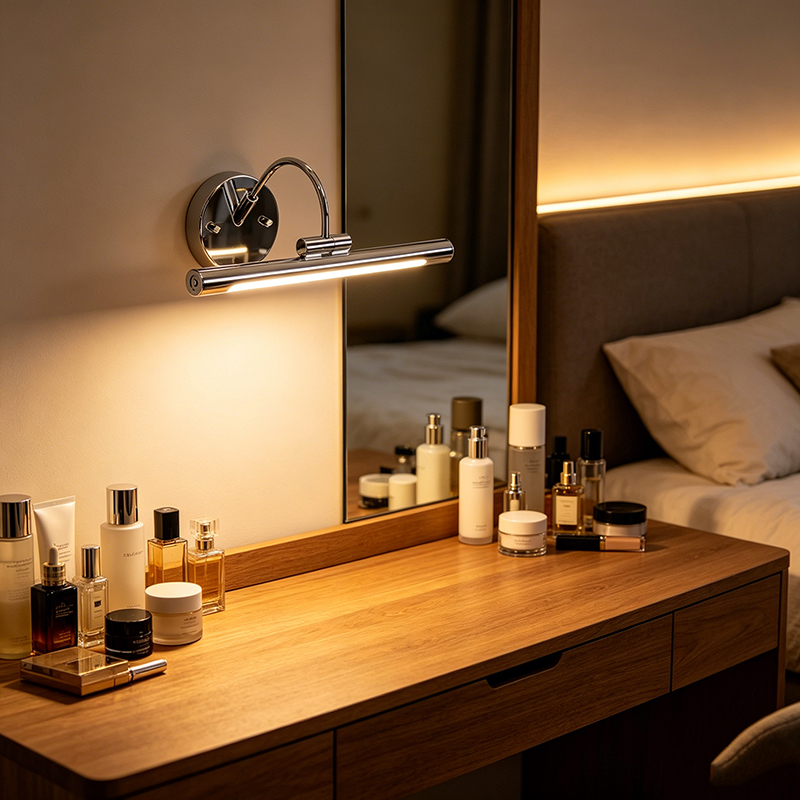
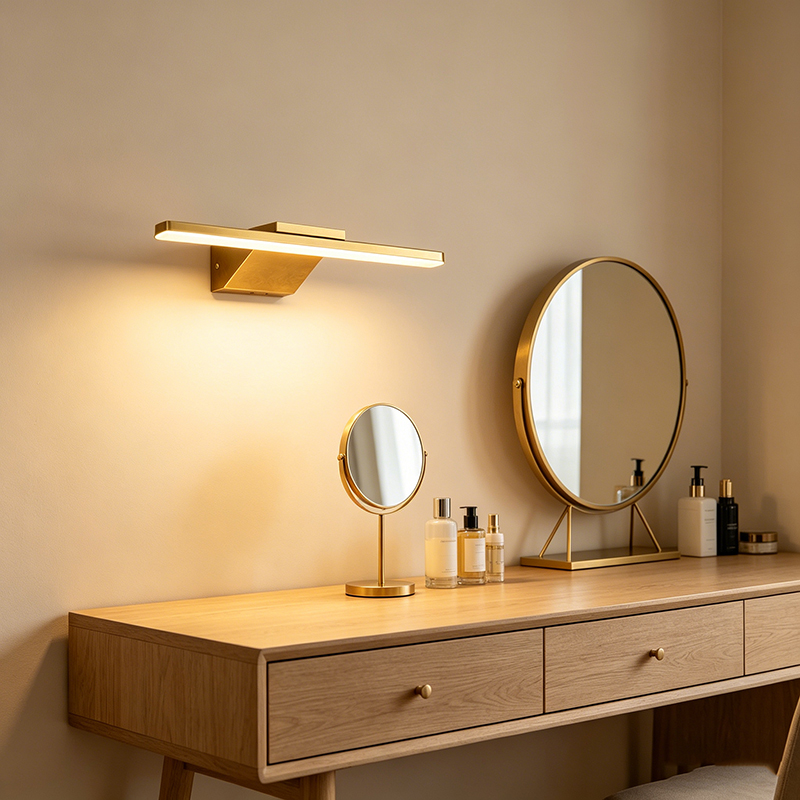
Our Picture Light collection is engineered for professional-grade art illumination. We offer wholesalers and retailers a focused range of precise lighting tools, while providing galleries, hotels, and luxury residences with reliable solutions to enhance artwork, collectibles, and architectural features. Our focus is on delivering controlled, even light that reveals true color and detail without glare or harmful UV exposure.
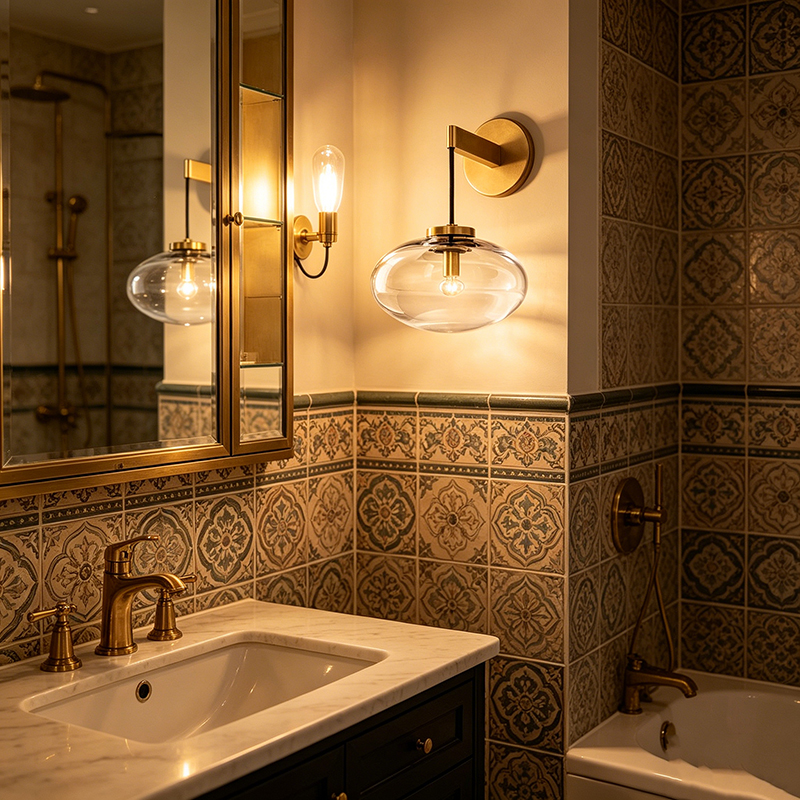
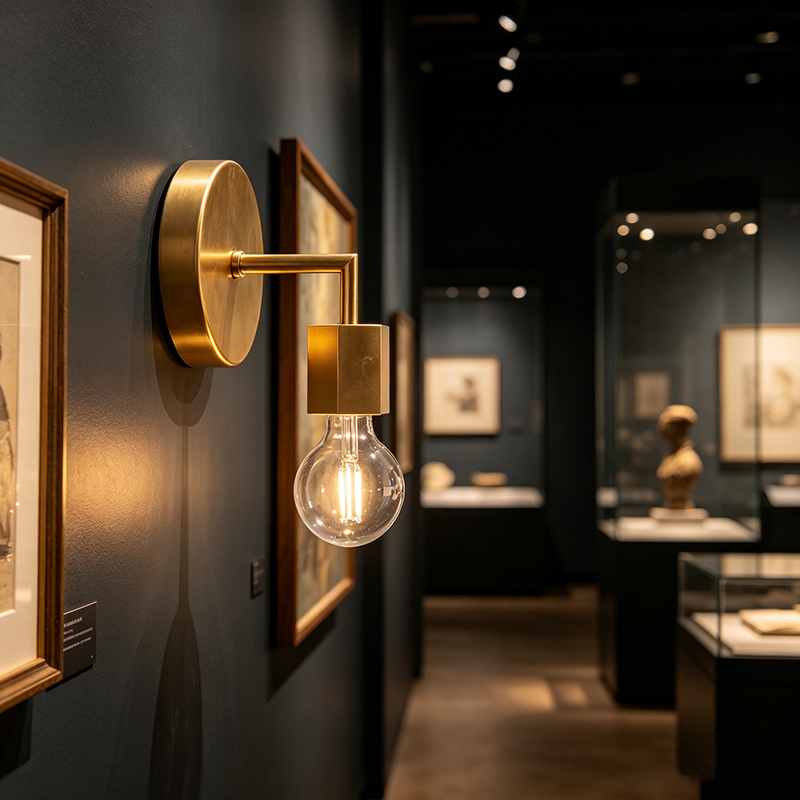
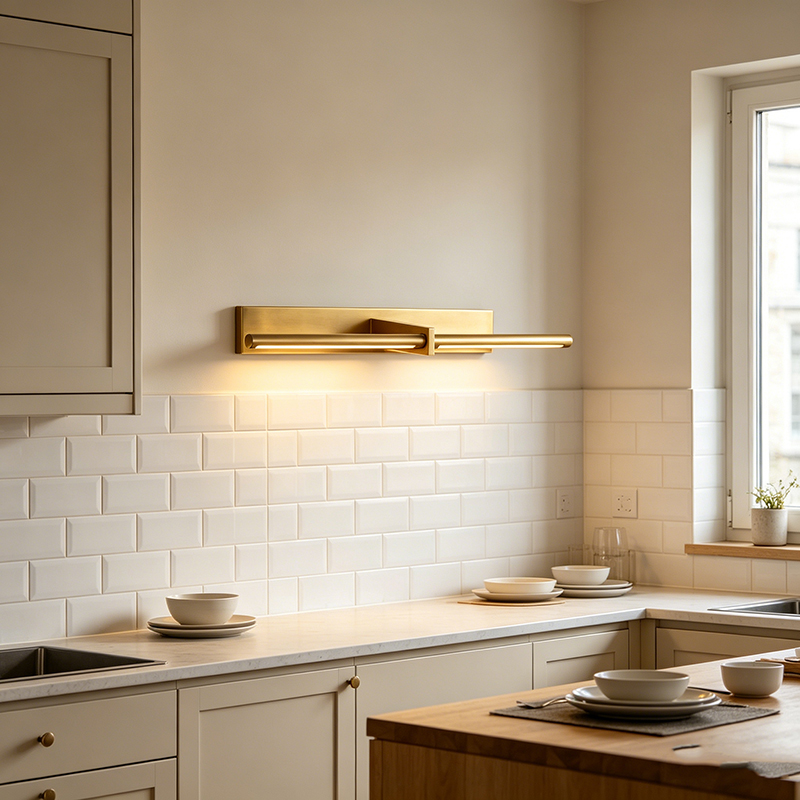
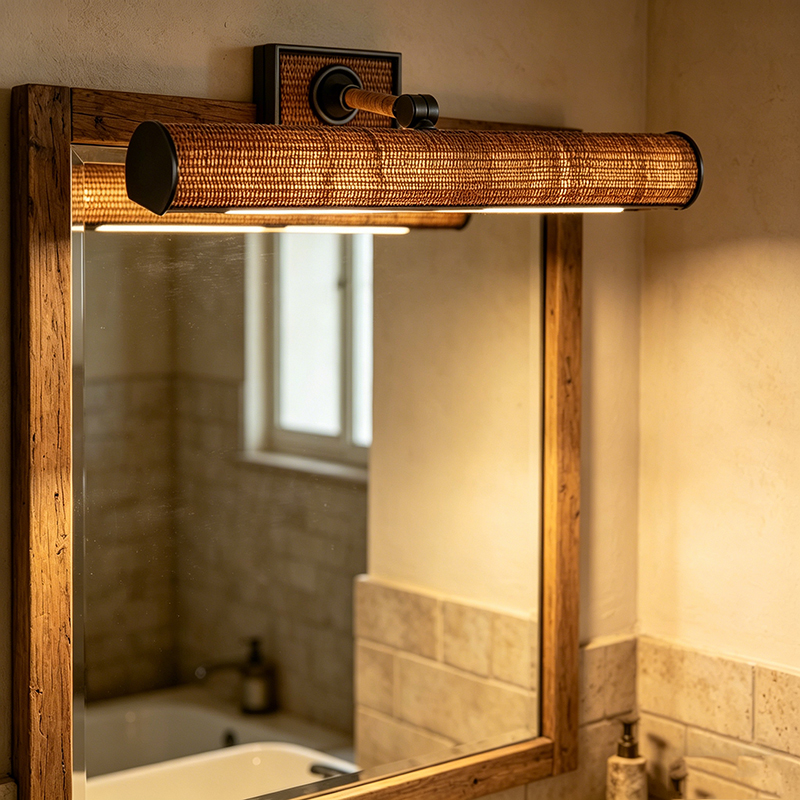

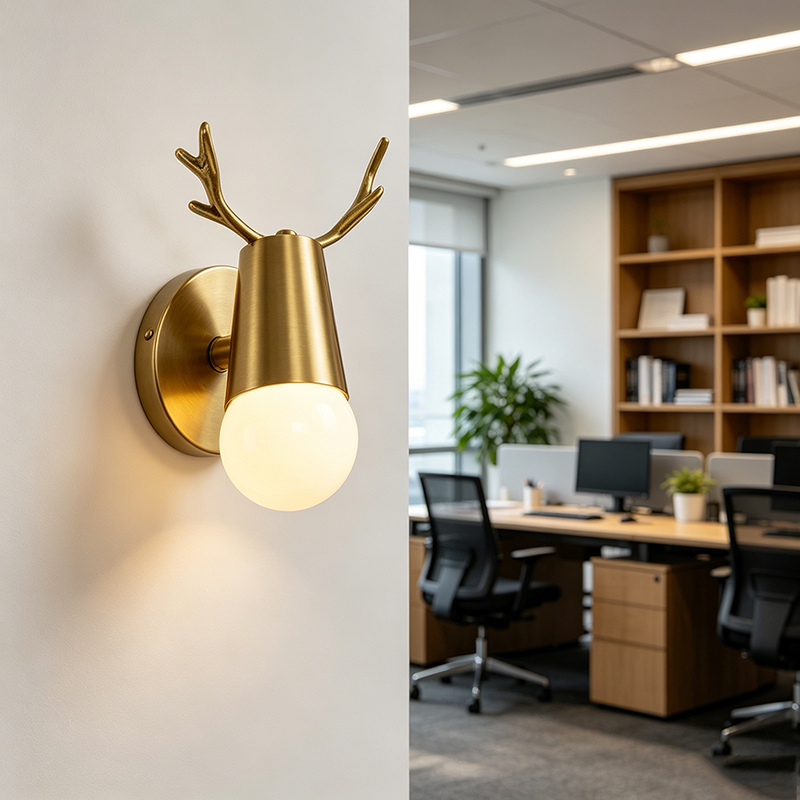
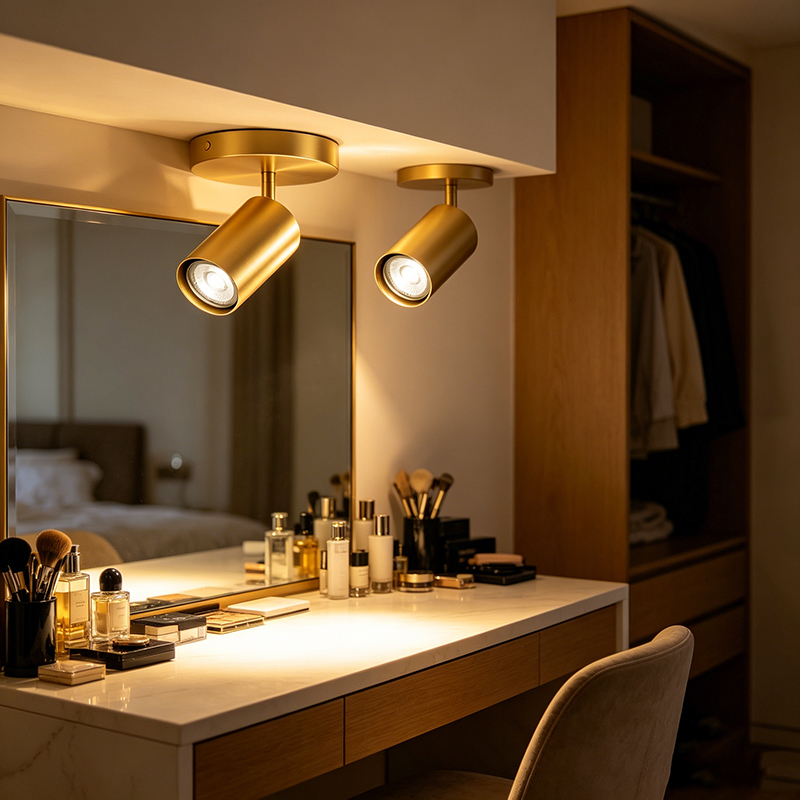
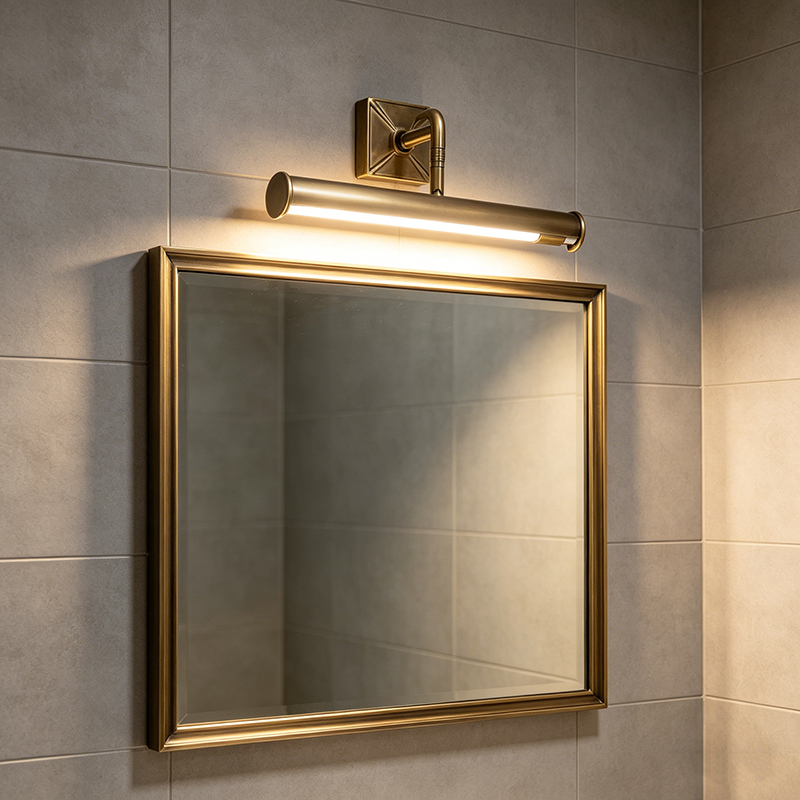
A Professional Guide to Sourcing Picture Lights for Art & Display
This guide is for lighting and furniture trade professionals involved in specifying or sourcing picture lights. Unlike general wall lights, picture lights are specialized tools designed for the precise, flattering illumination of artwork and displays. This guide covers the key functional considerations, quality benchmarks, and sourcing processes to help you select the right products for galleries, luxury residences, hospitality projects, and retail clients.
01. Why Professional Picture Lights Are a Niche Value-Add
Professional picture lights are not decorative sconces; they are functional tools that enhance the presentation and perceived value of artwork, collectibles, and feature walls. They are essential for galleries, museums, high-end residential interiors, luxury hotel corridors, and corporate lobbies. For your business, offering this specialized category positions you as a solutions provider for a discerning, high-margin clientele—interior designers, art consultants, and affluent homeowners—who require performance-driven lighting.
02. Critical Technical Factors for Evaluation
Selecting a picture light requires assessing specific performance criteria beyond aesthetics.
Light Quality & Beam Control: The primary function is even, shadow-free illumination. Look for fixtures with engineered reflectors or lenses that produce a smooth, “wall-washing” beam. Avoid lights that create a visible “hot spot” in the center of the beam. The Color Rendering Index (CRI) should be high (90+) to reveal true colors.
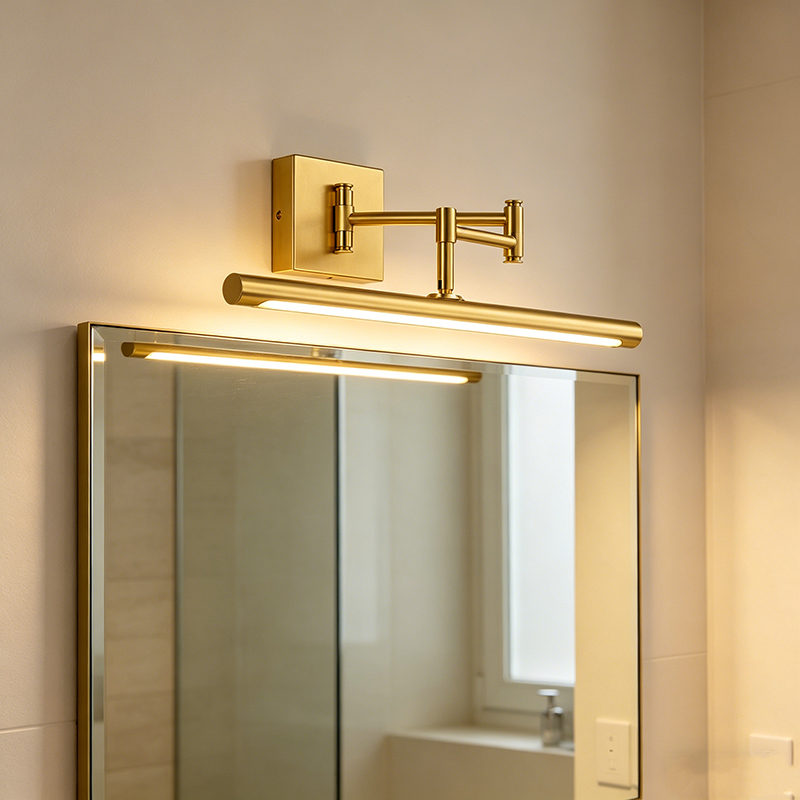
Adjustability & Flexibility: The fixture must be adjustable. Check for a fully rotating head to fine-tune the beam angle and an adjustable arm length or extension to position the light at the correct distance from the wall. This ensures it can be tailored to different artwork sizes and frames.
Conservation & Safety Features: For valuable art, ensure the light source emits negligible UV radiation to prevent fading. LED modules are ideal. The fixture’s housing should be designed for good heat dissipation to protect both the LED and the artwork from excessive warmth.
Installation System & Finish: The mounting bracket should be low-profile, secure, and allow for easy leveling. Consider cord management solutions (like paintable cord covers) for a clean look. The finish (typically black, white, or metallic) should be durable and discreet.
03. The Sourcing Process for a Specialized Product
A precise approach ensures you source effective, reliable tools.
Define the Application Scope: Determine if your primary need is for residential-scale lights (single paintings) or commercial/contract-grade systems for large gallery walls. This dictates scale, output, and durability requirements.
Request Detailed Technical Specifications: Require specs that include beam angle (e.g., 30°, 45°), CRI rating, lumen output, adjustable length range, and details on UV/IR emission. Ask for a photometric data sheet or beam distribution graphic if available.
Test a Sample in a Real Scenario: Order a sample and test it on a painting or wall. Evaluate the evenness of the beam, the smoothness of adjustments, the quality of the mounting hardware, and the true color temperature of the light.
Clarify Support & Commercial Terms: Confirm the warranty on the LED module (often 3-5 years for quality units) and the availability of spare parts (arms, heads, transformers). Understand MOQs and if different sizes can be mixed.
04. Understanding Types & Configurations
Different designs solve different hanging challenges.
Frame-Mounted Lights: Attach directly to the top of the picture frame. Offer the cleanest, most integrated look for individual pieces. Ideal for residential and gallery use.
Wall/Ceiling Mounted Lights: Use a separate bracket mounted on the wall or ceiling above the artwork. Provides more flexibility for aiming and is suitable for heavier pieces or when frame mounting isn’t desired.
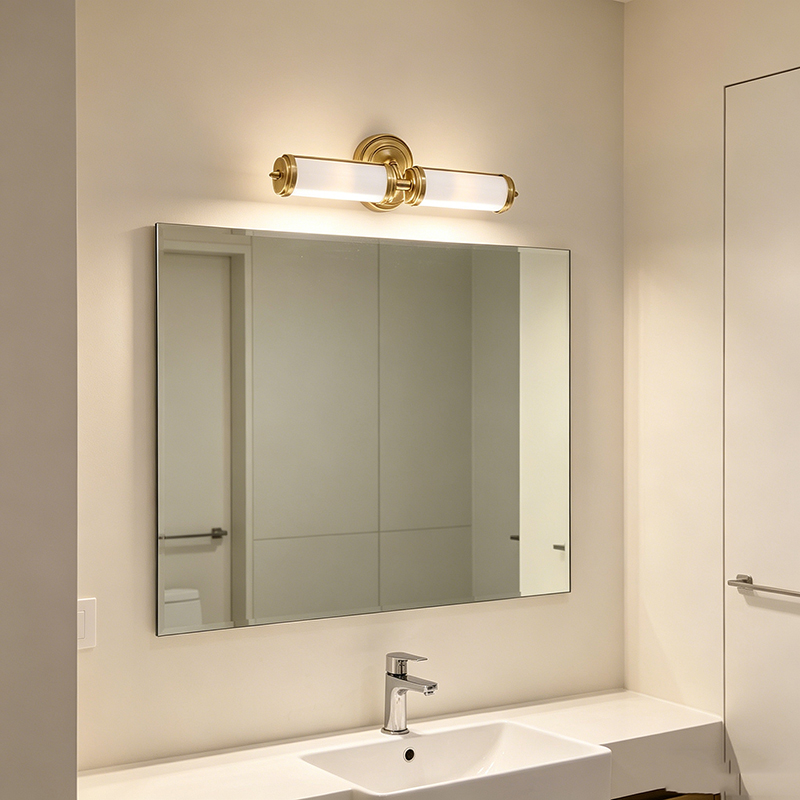
Single-Arm vs. Dual-Arm: Single-arm lights are common for standard pieces. Dual-arm (or “library”) lights provide balanced, symmetrical illumination for wider artwork or shelving units.
Track Systems: A professional solution for flexible gallery walls. Individual picture light heads attach to a ceiling-mounted track, allowing for easy repositioning as displays change.
05. Practical Guidance for Your Clients
Equip yourself to advise end-users effectively.
Sizing & Placement Guidance: A general rule is the light should be roughly half the width of the artwork it illuminates. Provide basic guidance on optimal mounting height and angle to avoid glare for viewers.
Wiring & Power Considerations: Most quality picture lights are low-voltage, requiring a transformer. Clarify if it’s plug-in or hardwired, and the location of the transformer/power supply for a neat installation.
Promoting the Value Proposition: Educate your clients on the benefits: protection of art (UV-free), enhanced visual appeal (high CRI), and energy efficiency (LED). This justifies the investment in a specialized product.
Conclusion: Providing a Critical Tool for Presentation
Sourcing professional picture lights is about partnering with a manufacturer that understands optics, conservation, and flexible installation. This niche category allows you to provide complete solutions for clients where lighting is integral to displaying valued objects.
By focusing on beam quality, adjustability, conservation features, and a clear technical specification, you can confidently source products that perform reliably and meet the exacting standards of art and design professionals. It’s a specialized offering that builds credibility and addresses a clear, high-value need in the market.
Ready to evaluate our professional Picture Light solutions? Contact us for detailed specification sheets, CRI and beam data, and to discuss samples for your trade business.
Download Our Catalog
to see how we’ve helped others realize their vision.
Consult with Our Team
to discuss the specific possibilities for your next project.
Table Of Content
01. Why Professional Picture Lights Are a Niche Value-Add02. Critical Technical Factors for Evaluation03. The Sourcing Process for a Specialized Product04. Understanding Types & Configurations05. Practical Guidance for Your ClientsConclusion: Providing a Critical Tool for Presentation