Classic Ceiling Lights
Request A Quote
Tikanna Classic Ceiling Lights | Timeless Elegance, Crafted to Last
For over 16 years, our factory has been dedicated to crafting classic ceiling lights that embody enduring style and reliable performance. We specialize in creating chandeliers, pendants, and flush mounts that bring refined ambiance and lasting value to hotel lobbies, fine dining spaces, luxury residences, and retail environments for our commercial partners worldwide.
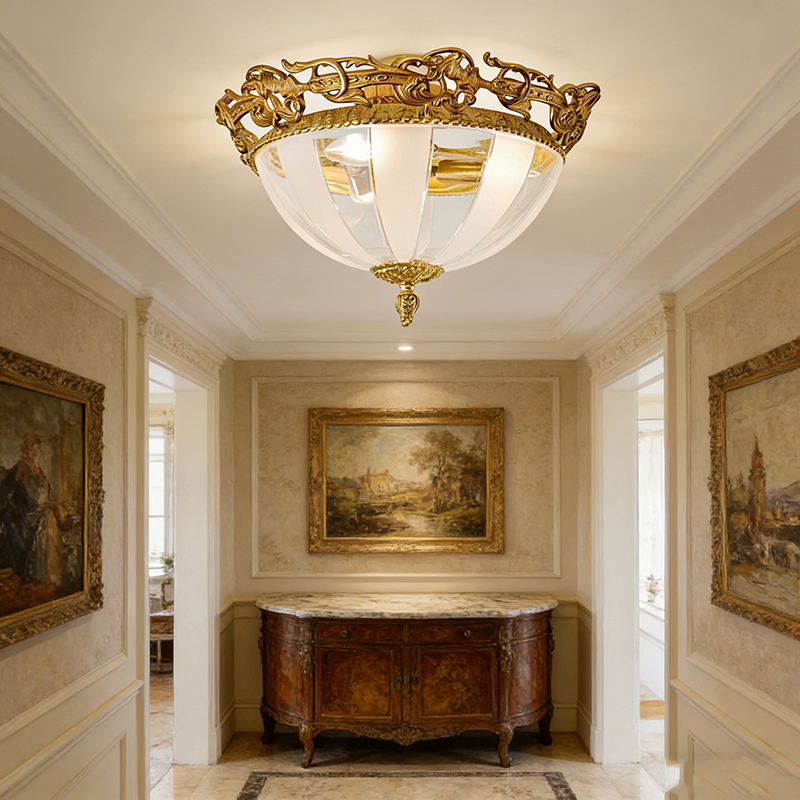
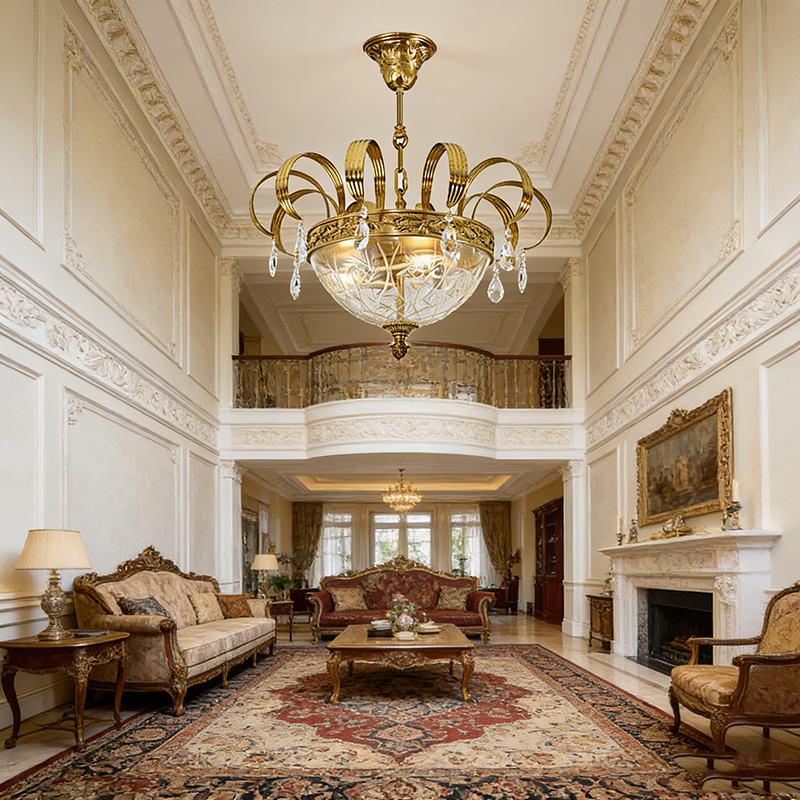
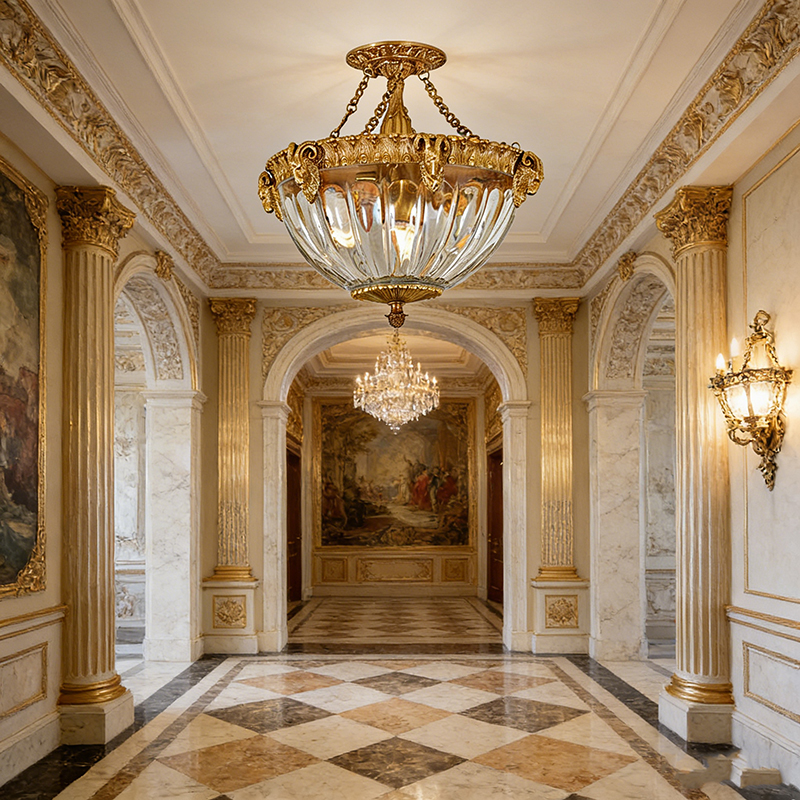
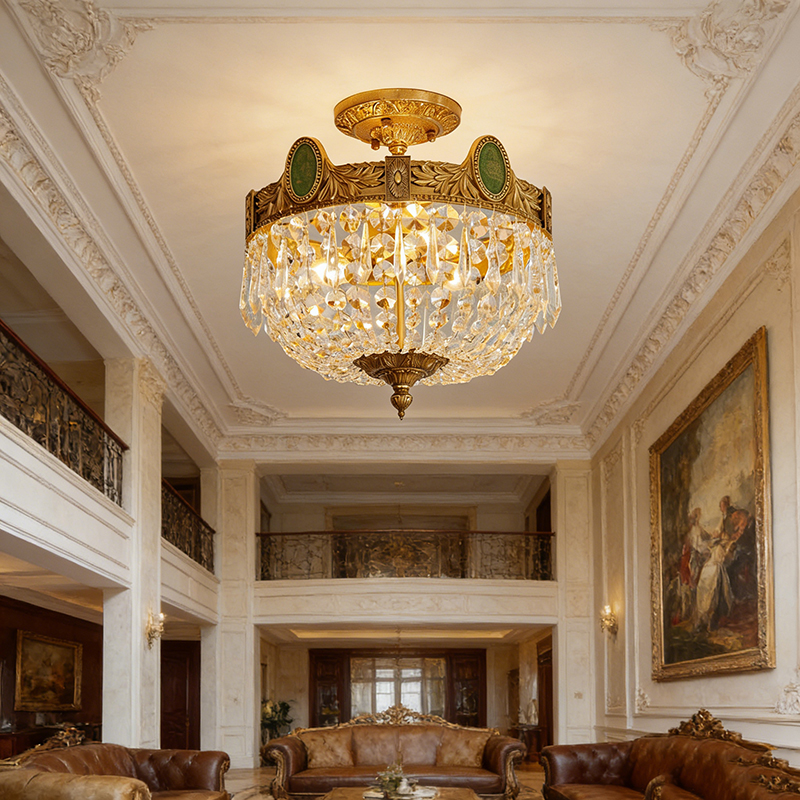
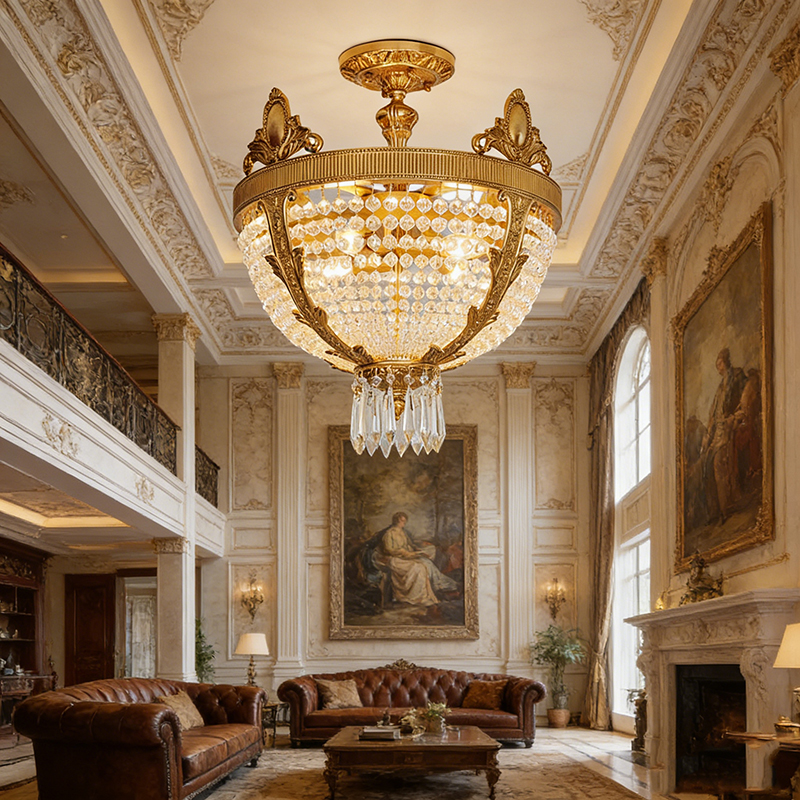
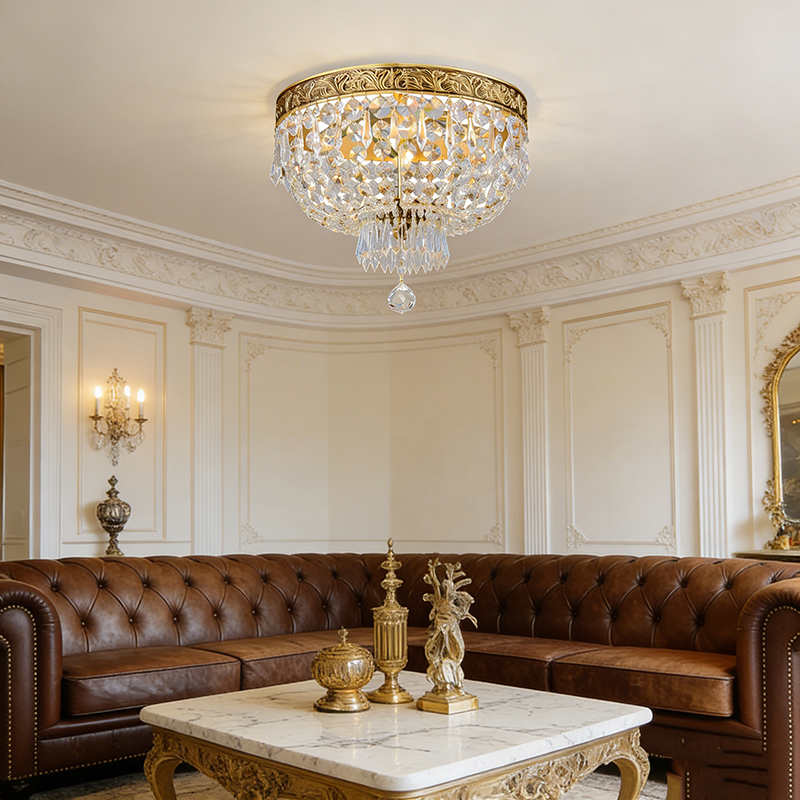
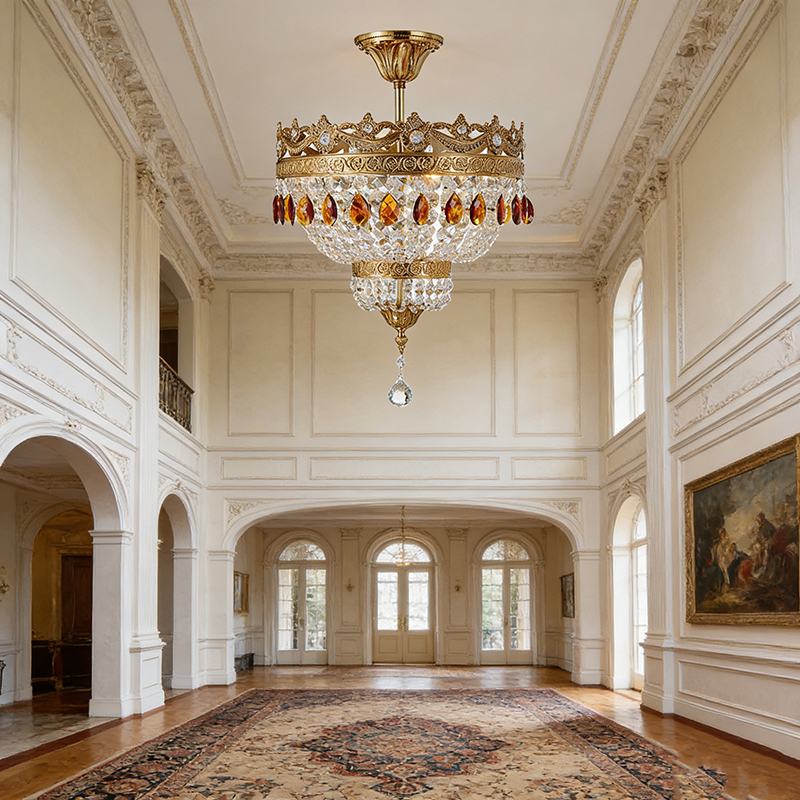
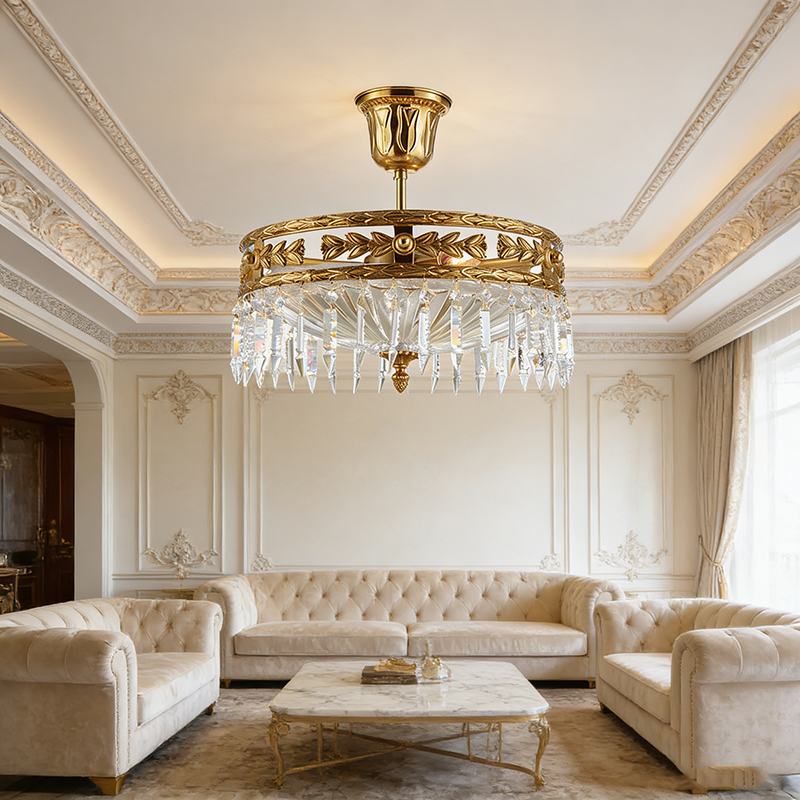
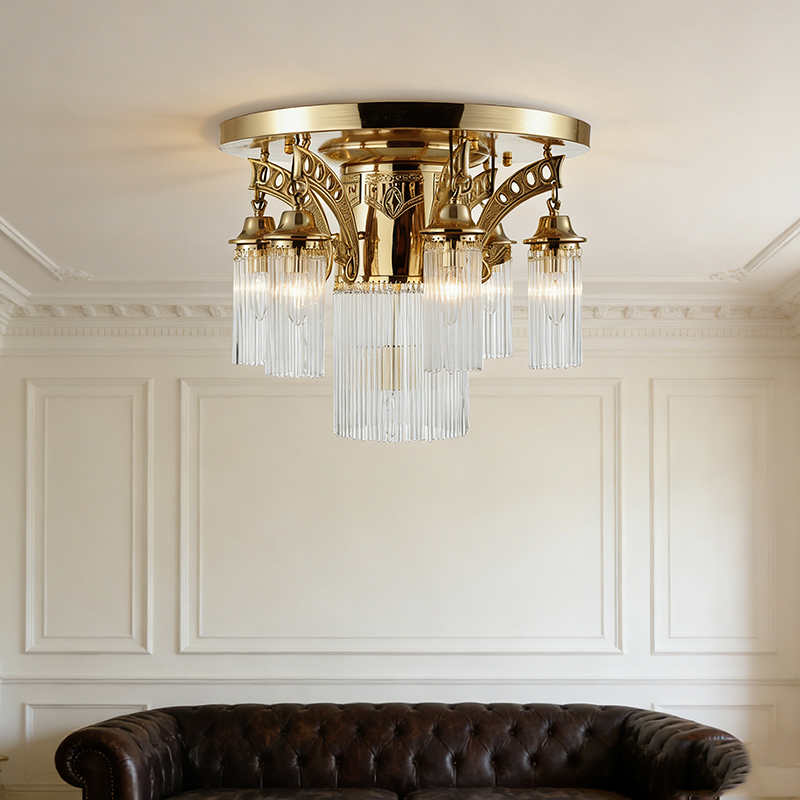
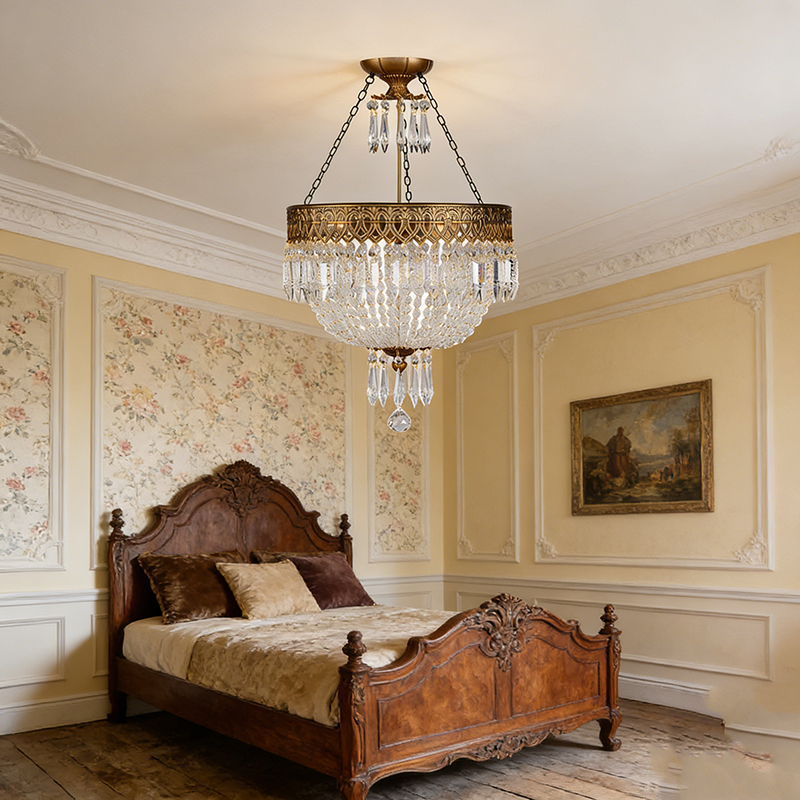
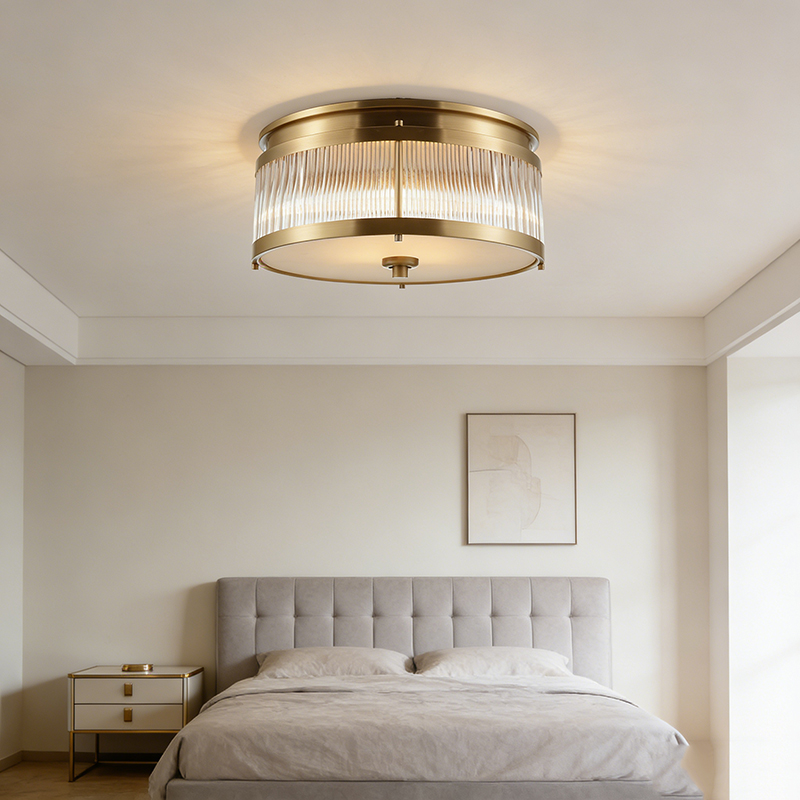
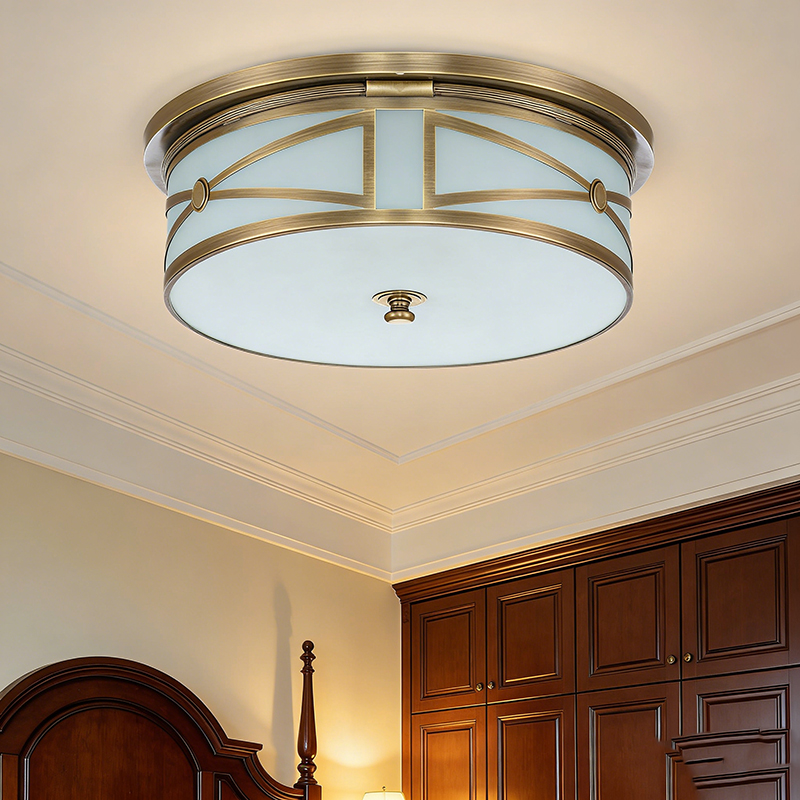
The Classic Ceiling Light: A Trade Professional’s Guide to Selection & Specification
For lighting wholesalers, furniture retailers, and project specifiers, classic ceiling lights are a cornerstone category. They deliver timeless elegance, create foundational ambiance, and are in consistent demand across key markets like hospitality and high-end residential. Navigating this category successfully requires an understanding of what separates a lasting investment from a mere decorative item. This guide provides focused, practical insights to help you source and specify classic ceiling lights with confidence for your commercial and residential projects.
1. Why Invest in the Classic Ceiling Light Category?
Classic design is not seasonal; it is perennial. These fixtures—chandeliers, pendants, and flush mounts—establish the core atmosphere of a space, conveying qualities like heritage, warmth, and established luxury. For your clients in hotels, fine dining restaurants, luxury retail boutiques, and high-spec residential developments, a well-chosen classic ceiling light is a critical design element that enhances perceived value. For your business, it represents a stable, high-margin product line with enduring appeal and strong cross-selling potential alongside furniture and other décor.
2. Key Factors for Assessing Quality & Authenticity
Look beyond the initial aesthetic. Authentic quality is verified through these tangible details:
Material Integrity: This is paramount. Inspect the core materials: is it solid brass or high-quality, heavy plating? Are crystal elements optical-grade with precise, sharp cuts for maximum sparkle? Are shades made of real fabric, alabaster, or fine glass rather than thin plastic? Material choice dictates both the fixture’s presence and its longevity.
Craftsmanship & Finish Detail: Examine the execution. Welds and joints should be clean and discreet. Finishes (antique brass, polished nickel, etc.) should have depth and consistency, with no thin spots, drips, or uneven patina. Hand-applied finishes will show slight, desirable variations that enhance character, unlike a flat, sprayed-on look.
Proportion & Scale: A classic fixture must be correctly sized for its intended space. Always consider ceiling height, room dimensions, and the fixture’s visual weight. An oversized chandelier overwhelms, while an undersized flush mount loses impact. We provide clear dimensional guides and scale recommendations for this purpose.
Light Quality & Performance: The fixture must enhance the space with its light. Ensure it is designed for warm white (2700K-3000K), high-CRI (>90) light sources that provide a flattering, ambient glow and accurate color rendering, essential for restaurants and retail environments.
3. Sourcing for Consistency and Project Reliability
Your manufacturing partner must guarantee uniformity, especially for multi-unit projects.
Request Material and Finish Guarantees: Ask for specifics on plating thickness, crystal origin/grade, and finish codes (e.g., RAL). A reputable factory like ours can provide these specifications and ensure batch-to-batch consistency.
Evaluate Structural Design: Request details or images of the internal frame and mounting system. A robust internal structure is critical for the safety and stability of larger fixtures, preventing sagging or stress over time.
Review Packaging & Shipping Protocols: Classic lights often have delicate components. Ensure the supplier uses custom, compartmentalized packaging with high-density foam to prevent transit damage—a key factor in reducing costly returns and replacements.
4. Understanding Styles Within the Classic Genre
Curate your offering by understanding these core substyles:
Traditional/Ornate: Features crystal cascades, candelabra arms, and intricate metalwork. The go-to choice for grand hotel lobbies, ballrooms, and formal estate homes.
Transitional: Blends classic silhouettes with cleaner lines and less ornamentation. Offers the broadest commercial appeal for upscale restaurants, boutique hotels, and a wide range of residential applications.
Art Deco: Characterized by geometric shapes, stepped forms, and mirrored or glossy accents. Ideal for creating a bold, glamorous statement in bars, hotel lounges, or modern classic interiors.
Rustic/Heritage: Utilizes materials like wrought iron, wood, and seeded glass. Well-suited for themed restaurants, lodges, and residential spaces aiming for a cozy, established feel.
5. Strategic Applications & Project Specification
Guide your clients on optimal application:
Hospitality: In hotel atriums, a chandelier defines the space; in dining areas, linear pendants illuminate tables. Emphasize scale and ambiance creation.
Retail: Use statement pendants or chandeliers in boutique stores to elevate the shopping experience and highlight merchandise.
Residential: For developers or designers, specify flush mounts for corridors, semi-flush for bedrooms, and chandeliers for dining and living areas to create a cohesive, elevated look.
6. Addressing Practical Trade Questions
“How do I ensure the finish matches other hardware in the project?” Always request a physical finish sample for on-site comparison. We provide these to ensure perfect coordination with door handles, faucets, etc.
“What’s the best bulb for this fixture to get the right glow?” We specify the optimal bulb type (base, wattage, shape) and color temperature for each model. Using the recommended bulb is key to achieving the designed lighting effect.
“The crystal strands are tangled after unpacking.” Gently guide them back into place. High-quality strands are securely linked. Avoid forcing them. This is rarely a defect but a result of transport.
Conclusion
Specifying classic ceiling lights is an exercise in balancing timeless aesthetics with modern performance standards. By focusing on verifiable material quality, authentic craftsmanship, and designs suited to specific commercial applications, you can provide clients with lighting solutions that are both beautiful and dependable. This builds long-term trust and establishes your business as a source for enduring quality.
Ready to specify with confidence? Contact us to discuss your project needs, request detailed specification sheets with photometric data, or order evaluation samples to assess the finish and build quality of the Tikanna classic collection firsthand.
Download Our Catalog
to see how we’ve helped others realize their vision.
Consult with Our Team
to discuss the specific possibilities for your next project.
Table Of Content
1. Why Invest in the Classic Ceiling Light Category?2. Key Factors for Assessing Quality & Authenticity3. Sourcing for Consistency and Project Reliability4. Understanding Styles Within the Classic Genre5. Strategic Applications & Project Specification6. Addressing Practical Trade QuestionsConclusion